
One tonne with every booking.
Every hotel booking made through IMPT, on imptahmedabad.in or on any other IMPT site, funds one tonne of verified CO₂ offset. The offset is part of the price you already see, there is nothing extra to pay, and what was offset is reported for each trip.
How the offset works
Four steps, in this order. Nothing in them is optional, nothing is added at checkout, and none of it needs anything from you beyond the booking itself.
The tonne is not an average spread across a year and not a block bought in bulk at the end of one. It is funded booking by booking, and the credit is verified before it counts.
- 01You book a room at the live rateThe price on the page is the live rate for the dates you picked. Nothing is added to it for carbon.
- 02IMPT funds one tonne of verified CO₂ offsetEvery single booking funds one tonne, whichever IMPT site it was made from.
- 03The credit is retired against a registered projectThe tonne is matched to a registered climate project and retired there, so the same tonne cannot be counted twice.
- 04The offset is reported on your tripWhat was offset is attached to that journey rather than to a year-end total.
That is the whole mechanism. One booking, one live price, one tonne, reported back against the trip it belongs to.
Why carbon matters here
Ahmedabad is a city shaped by heat, water and migration. Its summers push past 40 °C. Its river is fed by a canal. Its wetlands host birds from Siberia. Every hotel booking through IMPT includes one tonne of verified CO₂ offset, reported for each trip. This page explains why carbon matters here and what visitors can do.
Why carbon matters in Ahmedabad
Ahmedabad is one of India's fastest-growing cities. Its energy use, transport and construction all produce carbon dioxide. The city sits on the Sabarmati river in a semi-arid region. Climate change makes heatwaves longer and water supply less reliable. Reducing emissions is not abstract here. It affects how people live, work and breathe. Every tonne of CO₂ saved helps keep the city liveable.
The city's old pols were built long before fossil fuels. Their narrow lanes, shared walls and courtyards kept homes cool without air conditioning. Modern buildings often ignore these lessons. They use more energy and generate more heat. Understanding carbon means understanding how the city was designed and how it has changed. The pols offer a blueprint for low-energy living.
Gujarat has large solar and wind programmes. The state generates a significant share of its electricity from renewables. Ahmedabad's metro and BRTS networks offer alternatives to private cars. Every visitor who chooses a lower-carbon option contributes to a shift that is already underway. The infrastructure is there. The choice is yours.
Heat, the Heat Action Plan and the pols
Ahmedabad published one of South Asia's first Heat Action Plans in 2013. The plan warns residents when temperatures rise, opens cooling centres and trains health workers. It was created because heat kills. The city's summer days often pass 40 °C in May. Without action, heatwaves become deadlier. The plan is a model for other cities facing rising temperatures.
The old pols of the walled city were built for this climate. Houses share walls, so less surface is exposed to the sun. Narrow lanes stay shaded. Courtyards let hot air rise and draw in cooler air at night. Chabutaras, the bird-feeders on poles, are not just decorative. They mark a way of life that worked with the heat. These design principles reduce the need for air conditioning.
Modern construction often ignores these principles. Glass towers and concrete blocks trap heat and need air conditioning. That uses electricity, which still comes partly from fossil fuels. The Heat Action Plan and the pols offer two different lessons: one about emergency response, the other about design. Both matter for carbon. Visiting the pols shows how the old city stayed cool without energy.
Water, the Sabarmati and the Narmada canal
The Sabarmati river flows through Ahmedabad, but its natural flow is limited. The river in the city is topped up with water from the Narmada canal. This canal brings water from a dam hundreds of kilometres away. Pumping that water uses energy. The carbon cost of water in Ahmedabad is higher than it looks. Every drop has an invisible footprint.
The Sabarmati Riverfront project rebuilt both banks with promenades, gardens and sports fields. It changed how the city uses its river. But the project also required large amounts of concrete and earthmoving. Construction has a carbon footprint. The riverfront is a success, but it is not carbon-free. Visitors can enjoy it while understanding its full cost.
Water and carbon are linked. Every litre that is pumped, treated or heated produces emissions. Visitors can reduce their water use by taking shorter showers and reusing towels. Hotels that save water also save energy. It is a small step, but it adds up across the city's millions of visitors each year. Conserving water is also conserving energy.
Wetlands and the winter birds of Thol and Nalsarovar
Thol Lake and Nalsarovar are bird sanctuaries west of Ahmedabad. They are shallow wetlands that fill during the monsoon and attract thousands of winter migrants. Flamingos, pelicans, cranes and ducks come from Siberia, Central Asia and Europe. These birds depend on the water that remains through the dry season. The wetlands are a vital stop on their migration routes.
Wetlands store carbon. Their plants and soil hold organic matter that would otherwise decompose and release CO₂. When wetlands are drained or built over, that carbon is lost. Thol and Nalsarovar are protected, but they face pressure from encroachment, pollution and reduced water flow. Keeping them healthy is a climate action. Protecting wetlands protects the climate.
Visitors can support these wetlands by visiting responsibly. Stay on marked paths. Do not disturb birds. Carry out all waste. A small entry fee helps fund maintenance. The sanctuaries are also a reminder that carbon is not just about energy. It is about land, water and the species that share the planet. A visit in winter is a chance to see this connection.
Travelling lighter in and from Ahmedabad
The Ahmedabad Metro runs two lines: a Blue Line from Vastral Gam to Thaltej and a Red Line from Motera Stadium to APMC. An extension towards Gandhinagar and GIFT City has opened in phases. The BRTS bus network, Janmarg, covers many parts of the city. Both are cheaper and lower-carbon than taxis or auto-rickshaws. Check the current network before you travel.
For longer trips, trains are a good option. Ahmedabad Junction at Kalupur connects to most Indian cities. Day trips to Modhera, Patan or Lothal can be done by train or bus. Flights produce far more carbon per passenger than rail. If you fly, consider offsetting through your hotel booking. IMPT includes one tonne of verified CO₂ offset per booking. The offset is already in the price.
Walking is the lowest-carbon option. The walled city, the Sabarmati Riverfront and the area around the ashram are all walkable. Carry a reusable water bottle. Avoid single-use plastics. Every choice, from transport to food packaging, adds to or reduces the carbon footprint of your trip. Small changes in how you travel make a difference over time.
What visitors can see and support locally
The Sabarmati Ashram is free to enter. Its museum, designed by Charles Correa, tells the story of Gandhi's life and the Dandi Salt March. The ashram uses solar panels and rainwater harvesting. It is a place where low-impact living is part of the message. Visitors can learn about simplicity and sustainability. The ashram is a model of thoughtful resource use.
The Calico Museum of Textiles requires a booked guided tour. Photography is not allowed. The museum holds one of the finest collections of Indian textiles. It also demonstrates traditional dyeing and weaving techniques that used natural materials and minimal energy. These crafts are a reminder that low-carbon living is not new. They show how people made things without fossil fuels.
The pols of the walled city are a living museum of climate-responsive design. Walking through them costs nothing. The bird-feeders, the stepwells and the carved wooden havelis all show how people adapted to heat and water scarcity. Supporting local guides and buying from small vendors keeps this knowledge alive. Every visit supports the preservation of these traditional ways.
- Use the metro: The Ahmedabad Metro and BRTS buses are low-carbon options. Check the current network before you travel.
- Walk the pols: The walled city is best explored on foot. Narrow lanes keep you shaded and reduce your carbon footprint.
- Carry a bottle: Refill a reusable water bottle. Avoid plastic bottles. Every bottle saved reduces waste and emissions.
- Visit wetlands: Thol and Nalsarovar are bird sanctuaries west of the city. Visit in winter and stay on marked paths.
- Choose trains: For day trips to Modhera, Patan or Lothal, take a train or bus instead of a private car or flight.
- Book through IMPT: Every hotel booking through IMPT includes one tonne of verified CO₂ offset. It is already in the price.
The projects behind the credits
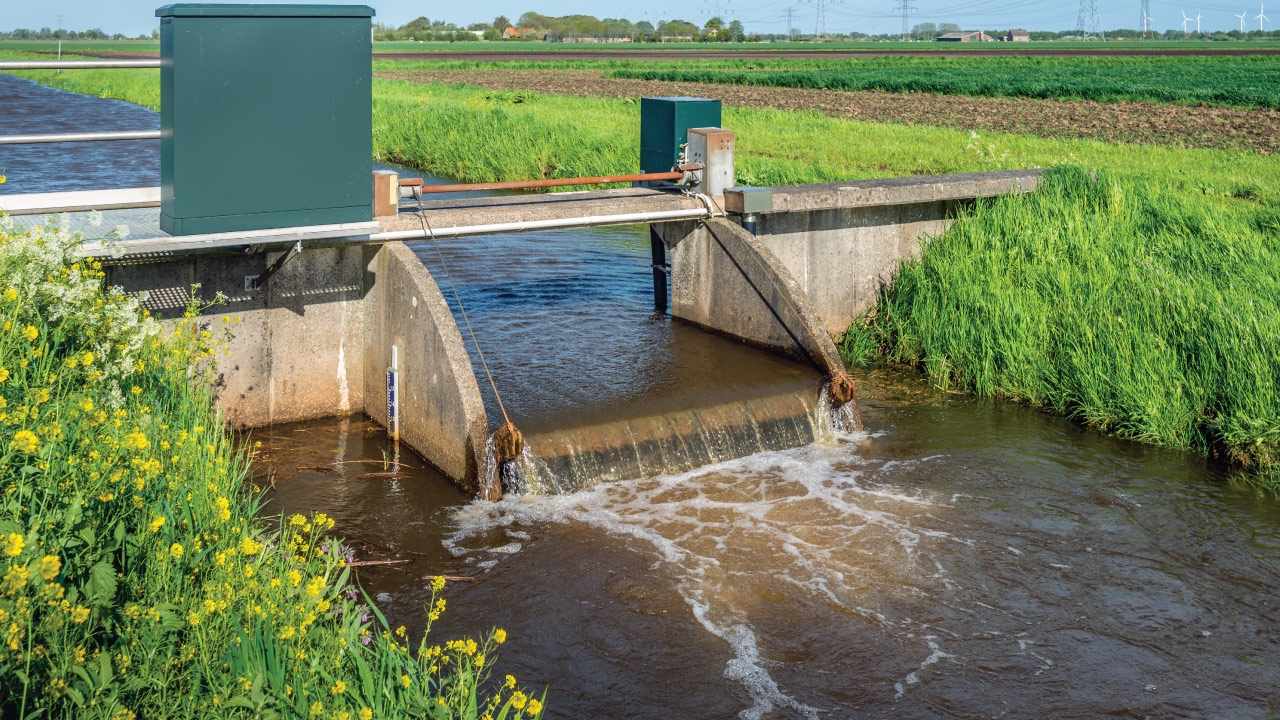
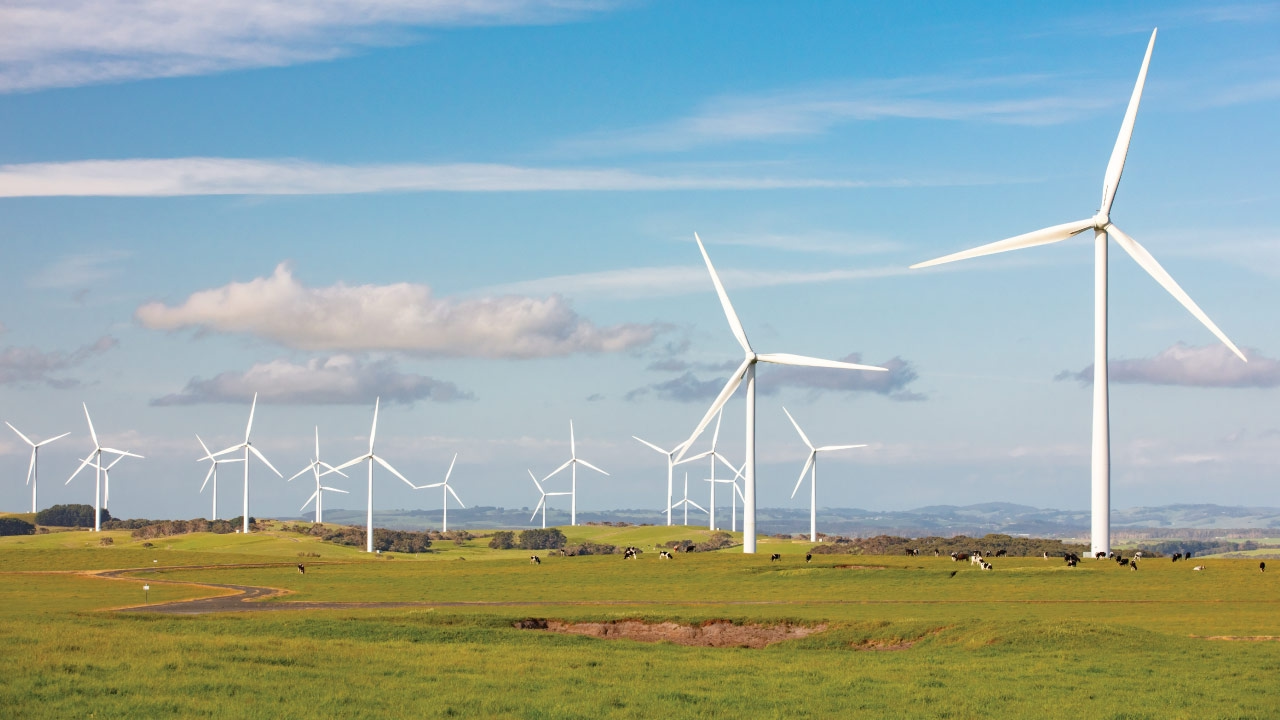
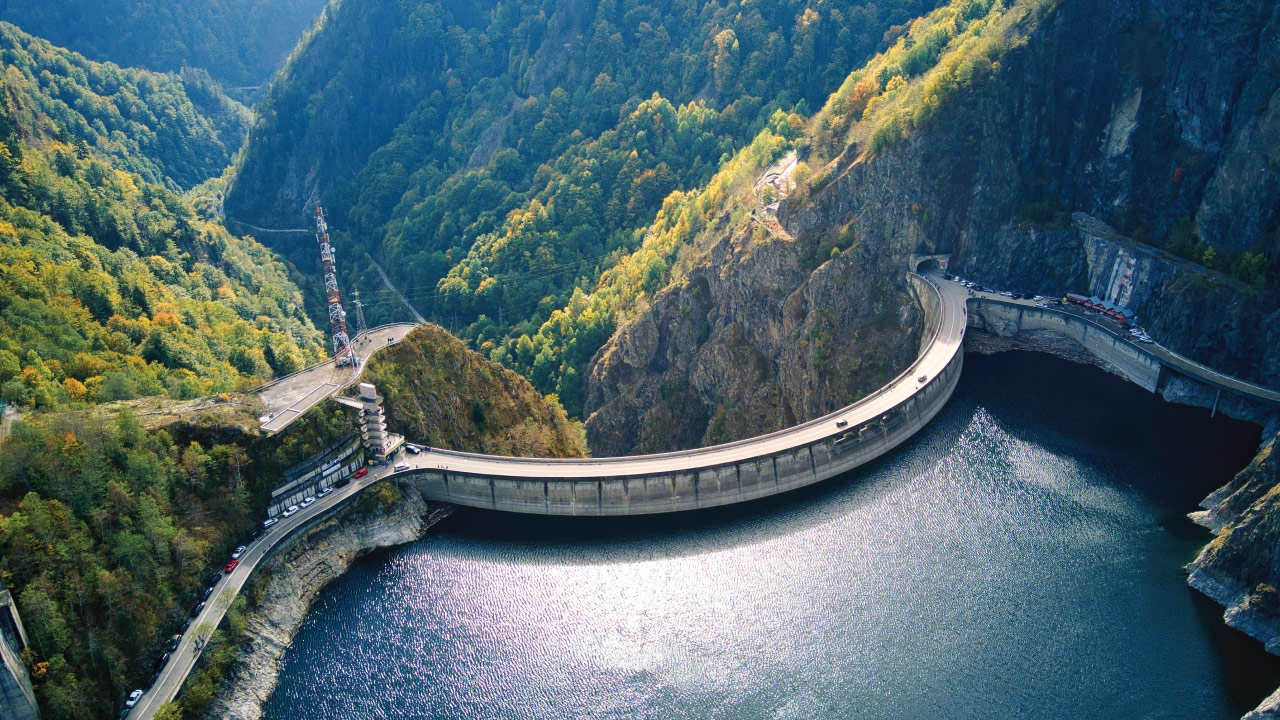
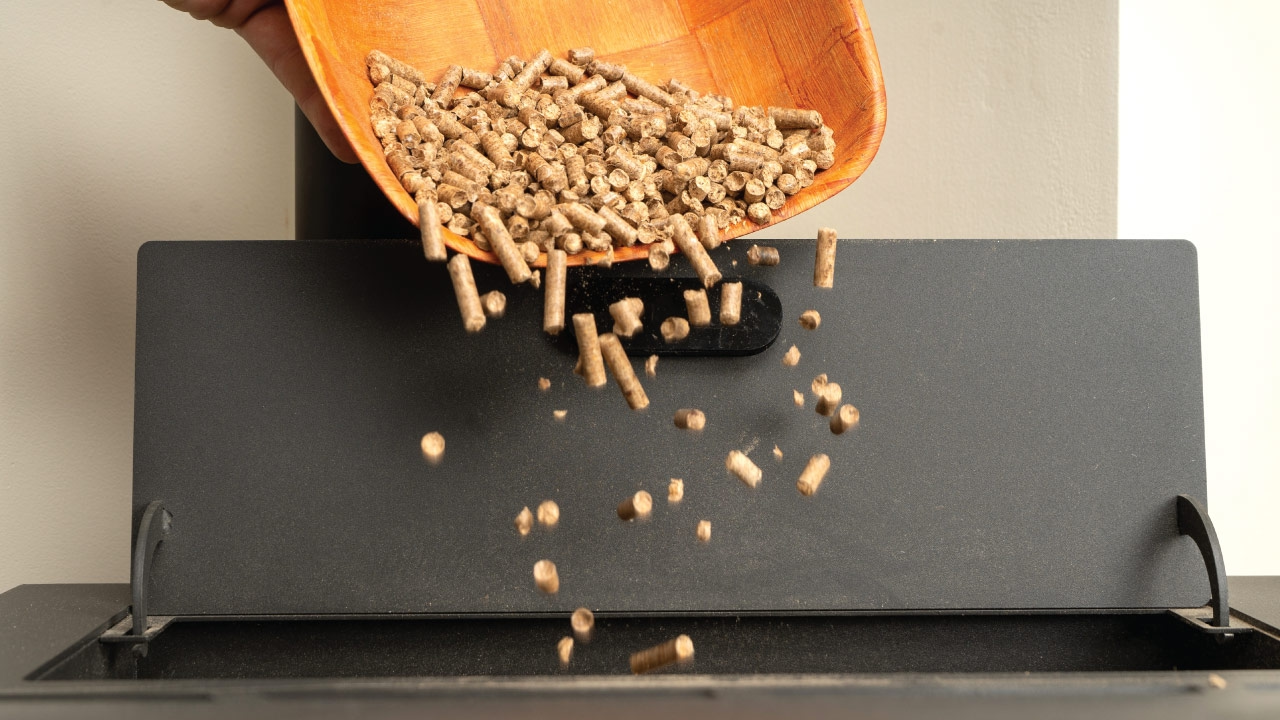
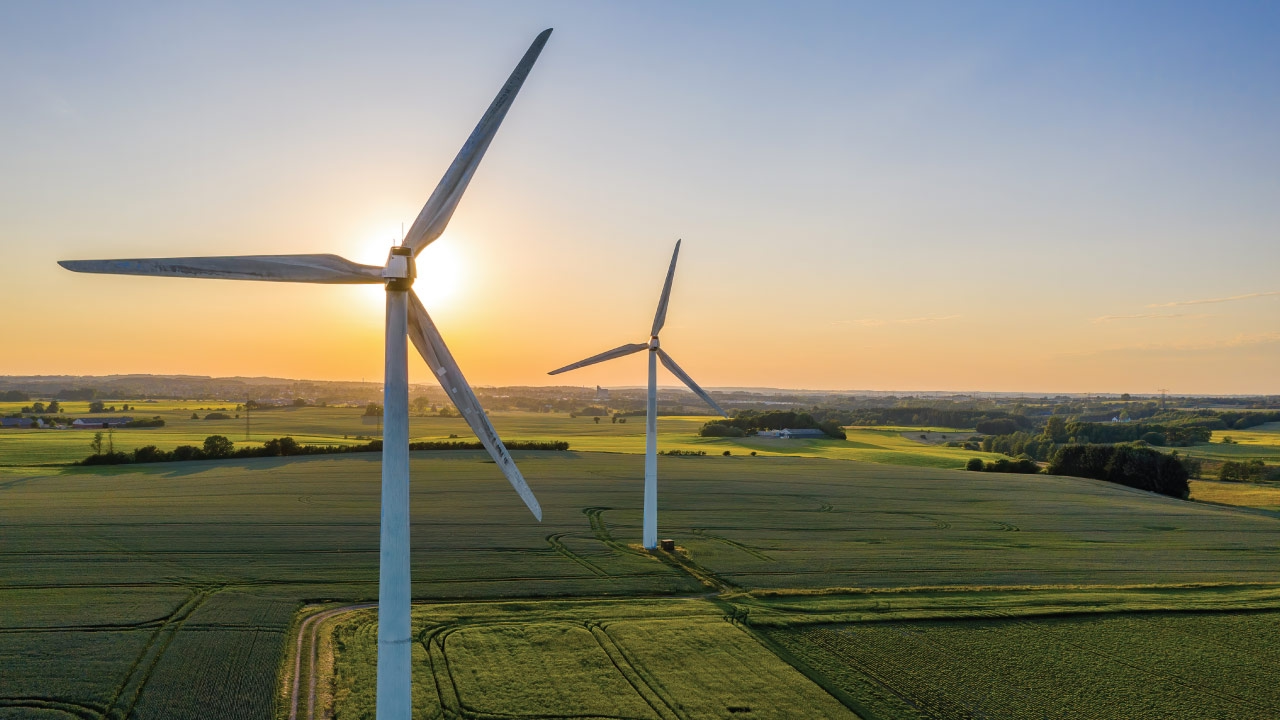
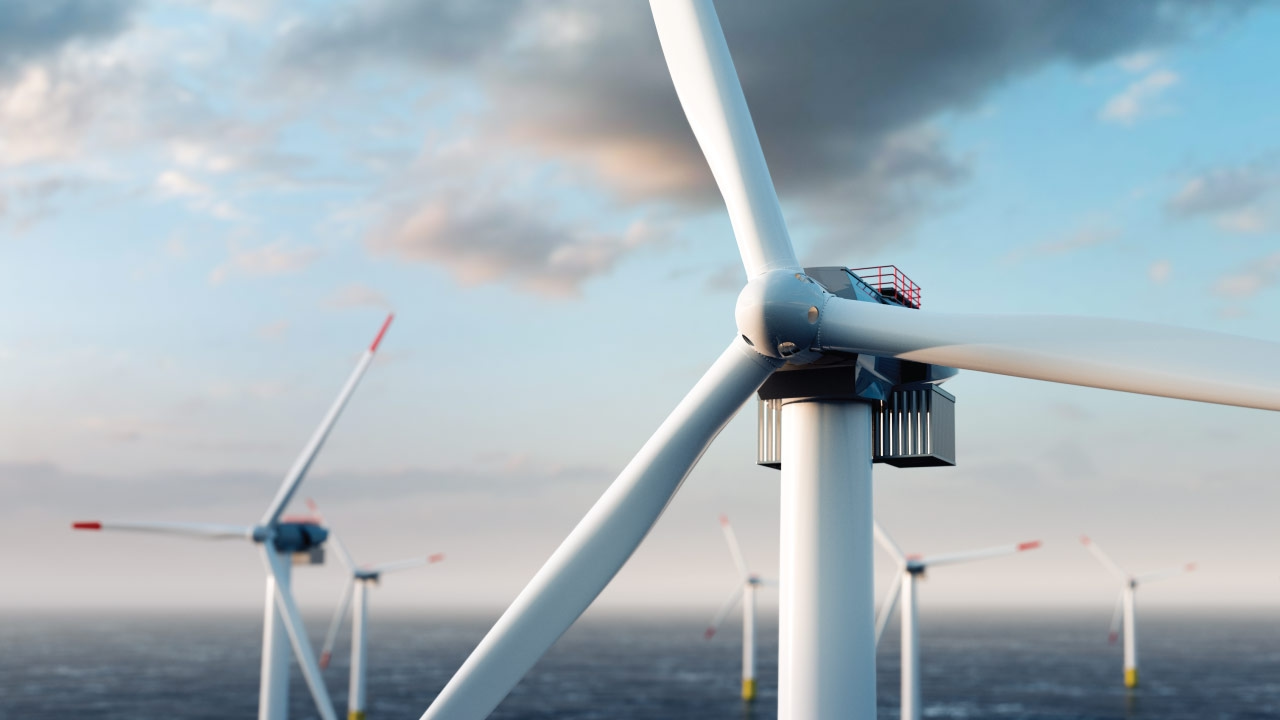
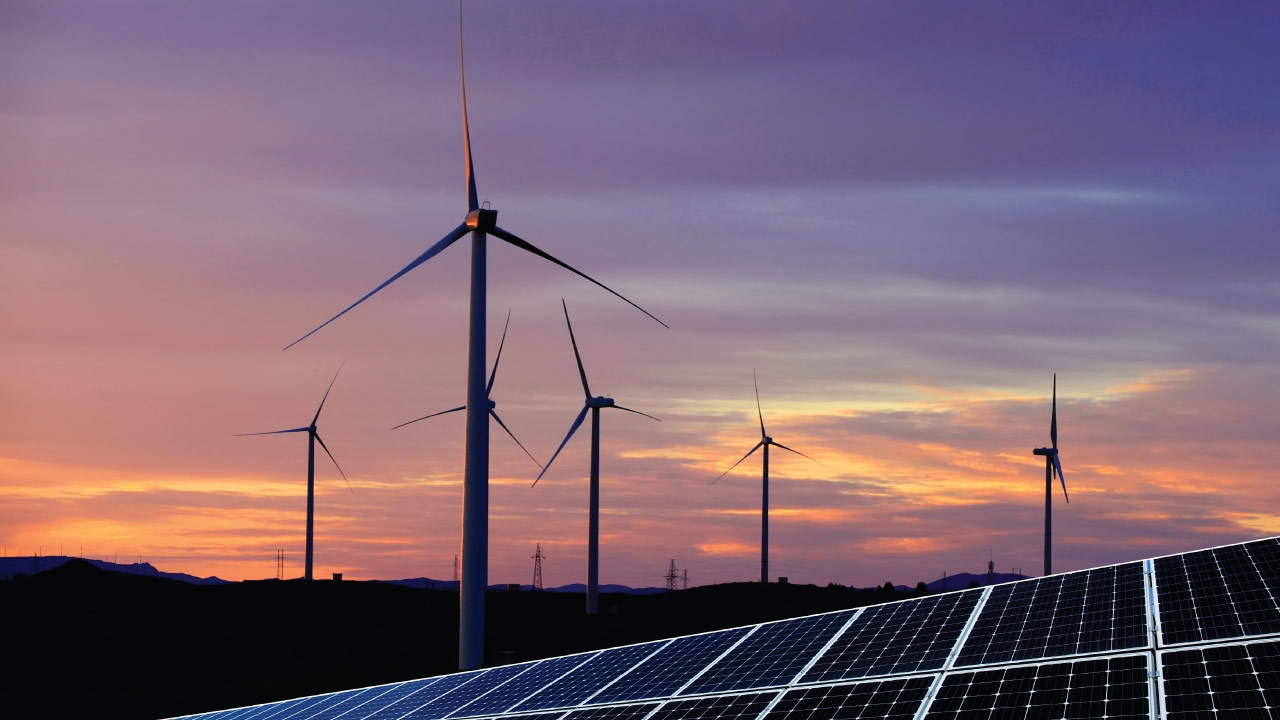
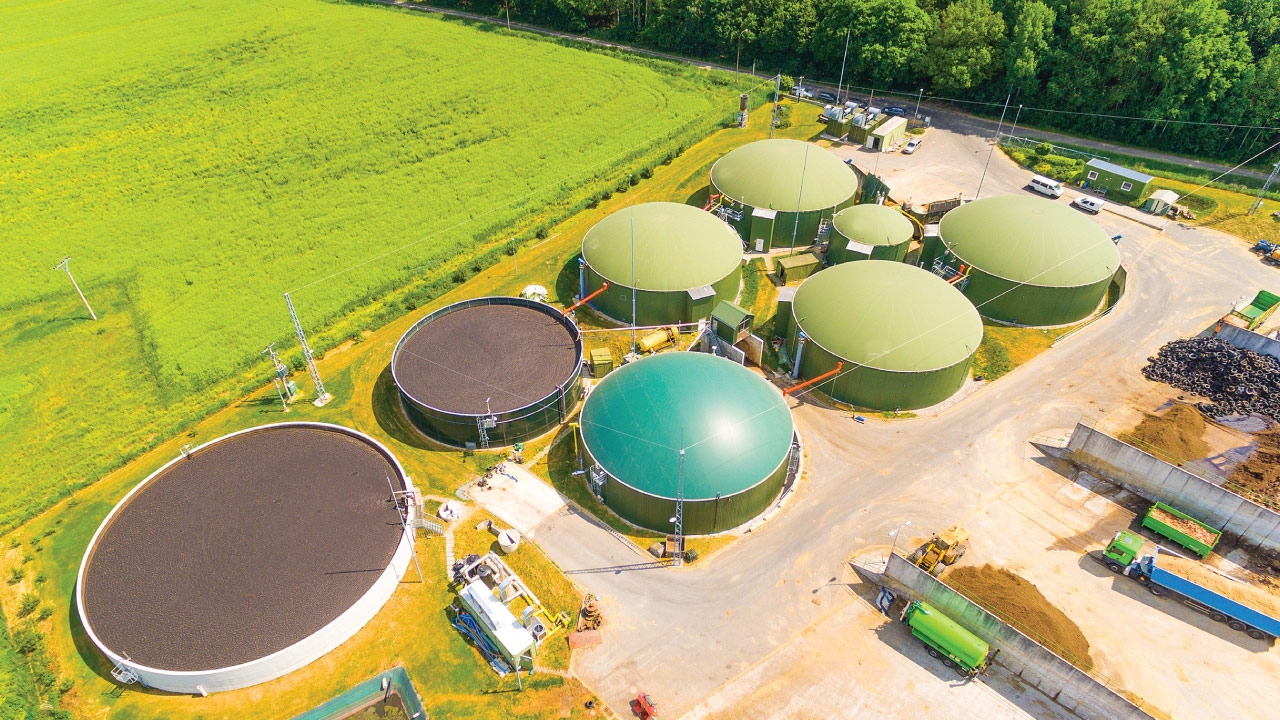
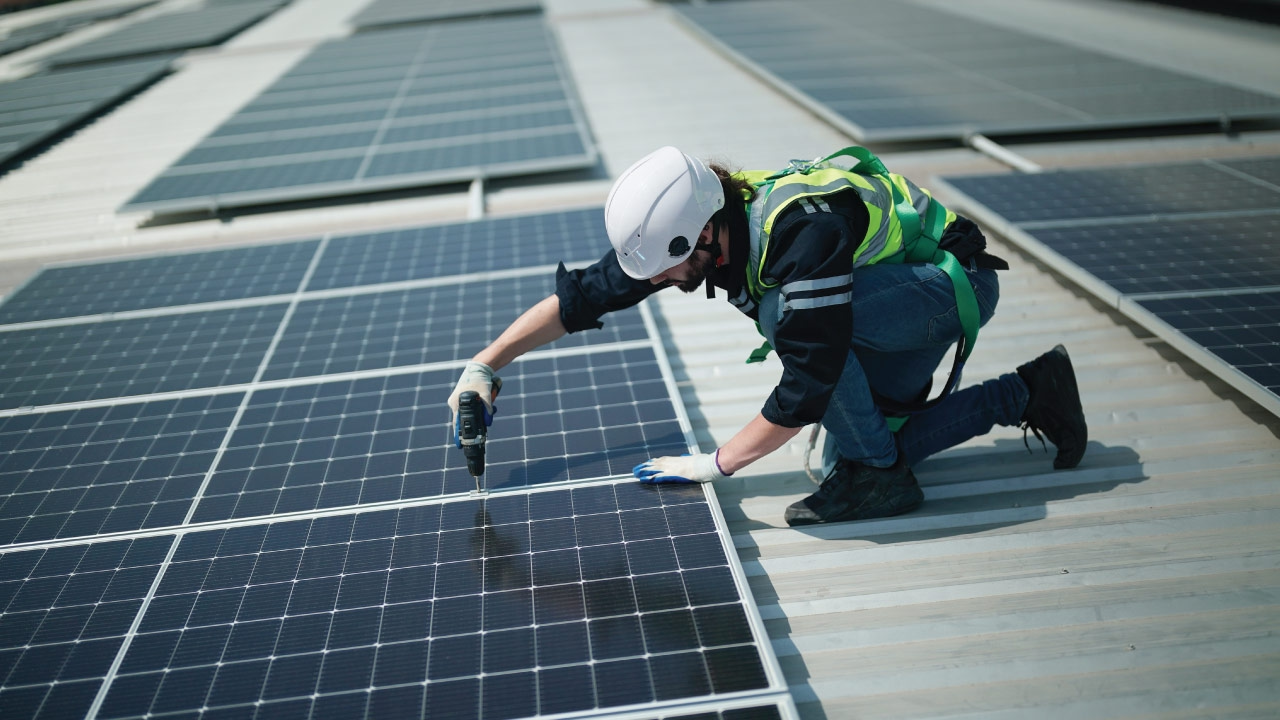
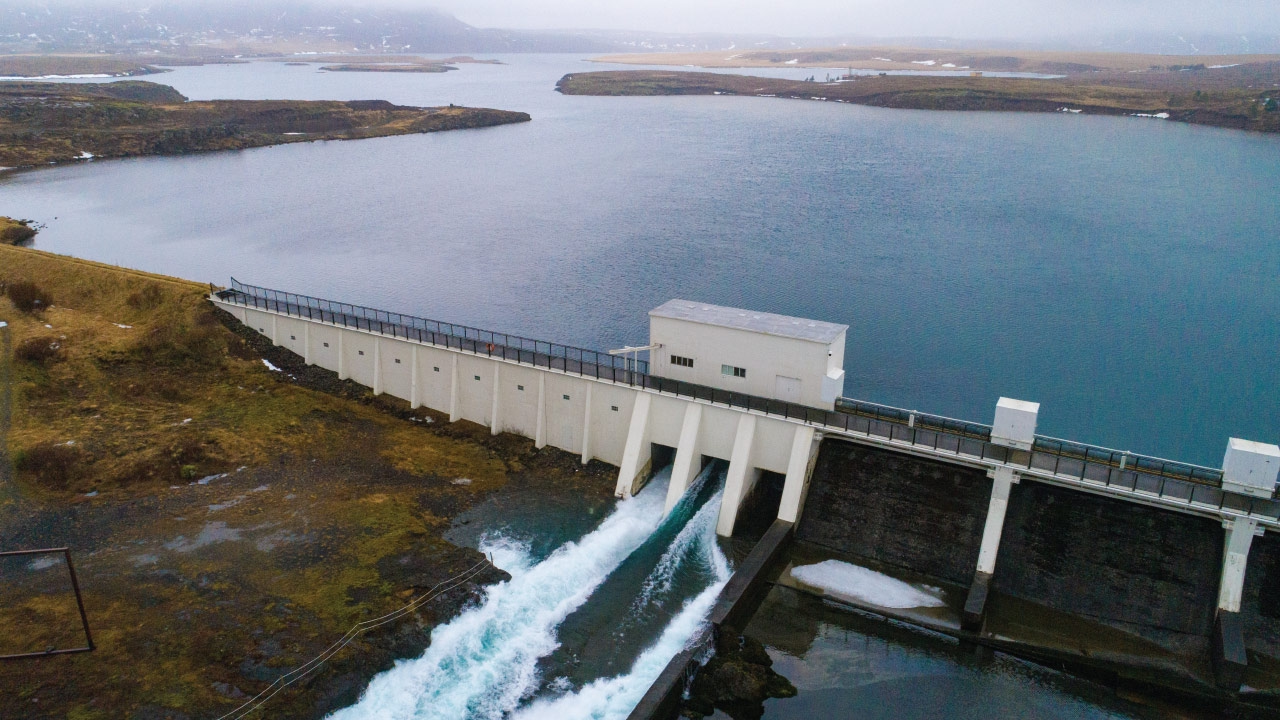
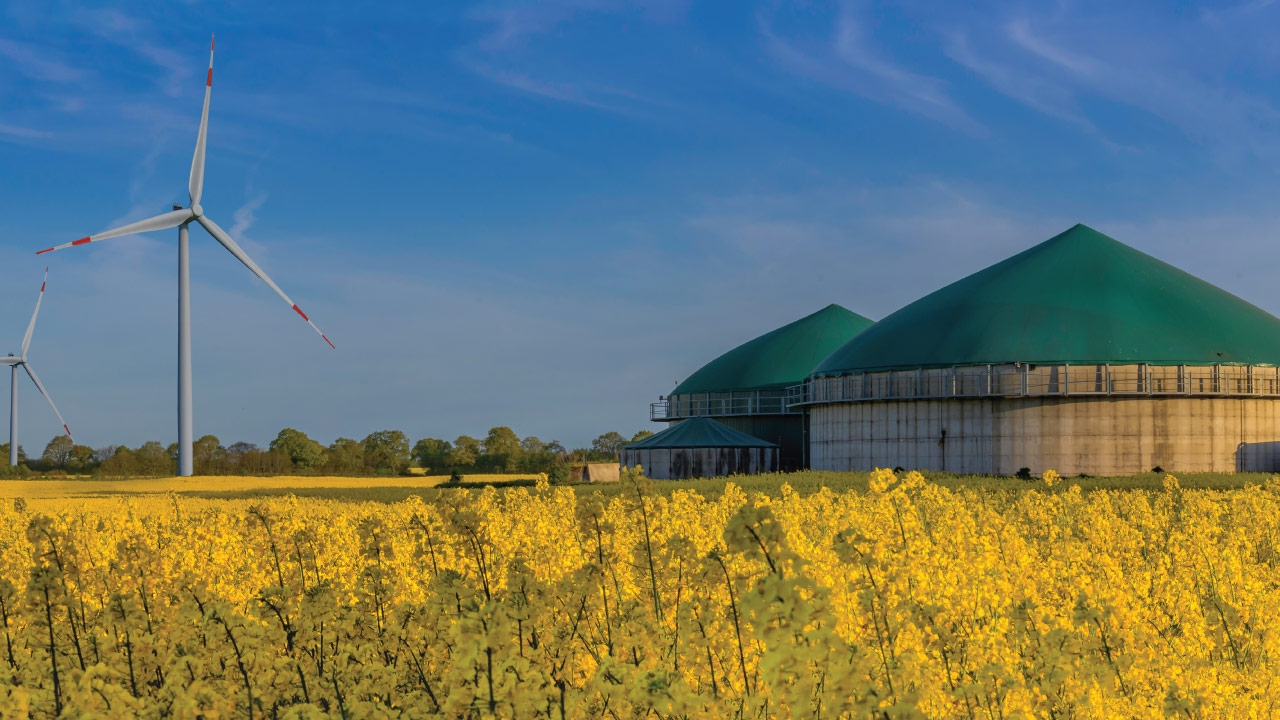
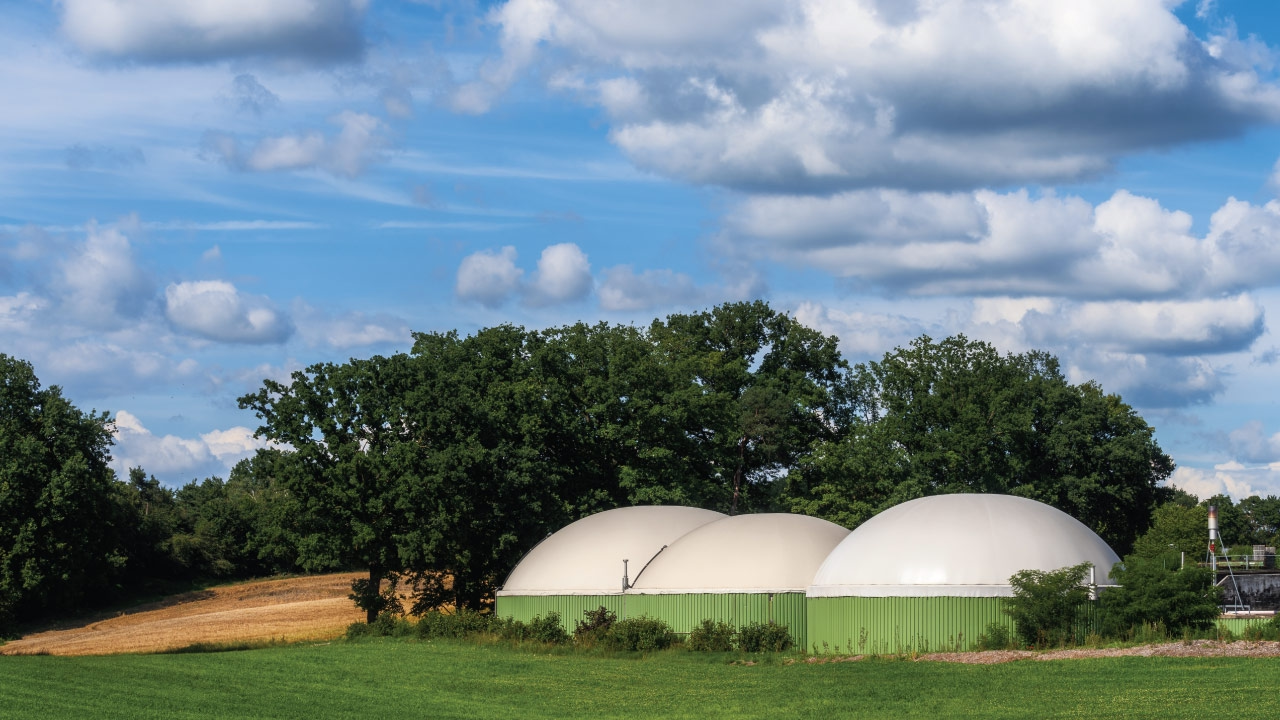
The credits are retired against registered climate projects: biogas and biomass on farms, forest restoration and REDD+, wind, solar, hydro and bio-based construction. The list below is read straight from the IMPT project register.
Descriptions come from the register itself and are published in English. Projects in India are shown first; the rest are in the app.
Buy or gift verified offsets
You do not have to book a room to fund a tonne. Both vouchers live in the IMPT app.
Worth knowing: the offset on a booking is funded by the booking. The vouchers are a separate thing you can buy or give away; a stay does not need one.
Carbon in Ahmedabad: questions
What is a carbon offset?
A carbon offset is a verified reduction in emissions elsewhere, such as planting trees or funding renewable energy. IMPT includes one tonne of verified offset per hotel booking.
Why does Ahmedabad have a Heat Action Plan?
Ahmedabad published one of South Asia's first Heat Action Plans in 2013 because summer temperatures often pass 40 °C. The plan warns residents, opens cooling centres and trains health workers.
How does the Sabarmati Riverfront affect carbon?
The riverfront project used concrete and earthmoving, which have a carbon footprint. The river is also topped up with water from the Narmada canal, which requires energy to pump.
Are the wetlands important for climate?
Yes. Wetlands store carbon in their soil and plants. Thol and Nalsarovar are protected but face pressure from encroachment and pollution. Keeping them healthy helps reduce CO₂.
Is Gujarat a dry state?
Yes, Gujarat is a dry state. Alcohol is not sold freely. Visitors may be able to obtain a temporary permit through licensed outlets. Check the current rules before travel.
What should visitors do with waste?
Carry a reusable water bottle and avoid single-use plastics. Use public bins. Many hotels and public places have recycling. Every piece of waste that is not littered helps.
How can visitors reduce water use?
Take shorter showers and reuse towels. Hotels that save water also save energy. It is a small step that adds up across millions of visitors each year.
What is the best time to visit the wetlands?
Winter, from November to February, is the best time. Migratory birds arrive from Siberia and Central Asia. The weather is also cooler for walking.
How does the metro help reduce carbon?
The metro runs on electricity, which in Gujarat comes partly from renewables. It carries many passengers at once, replacing cars and autos. Every ride reduces emissions per person.
Sources: IMPT project register (platform.impt.io); Ahmedabad Municipal Corporation (Heat Action Plan, 2013), GMRC (Ahmedabad Metro), Gujarat Forest Department (Thol and Nalsarovar). Editorial review: 5 November 2026.
Book a room, fund a tonne
Photo credits: Photo on Pexels.