India’s first UNESCO World Heritage City — 600 years of carved stone, kite-filled skies and late-night food. Pick your area, then book in the IMPT app.
Founded 1411UNESCO 2017On the Sabarmati
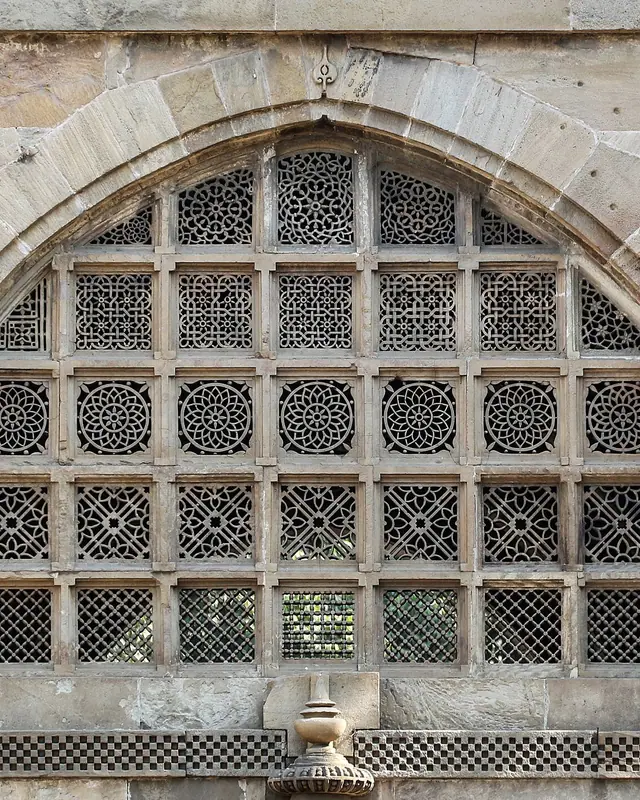
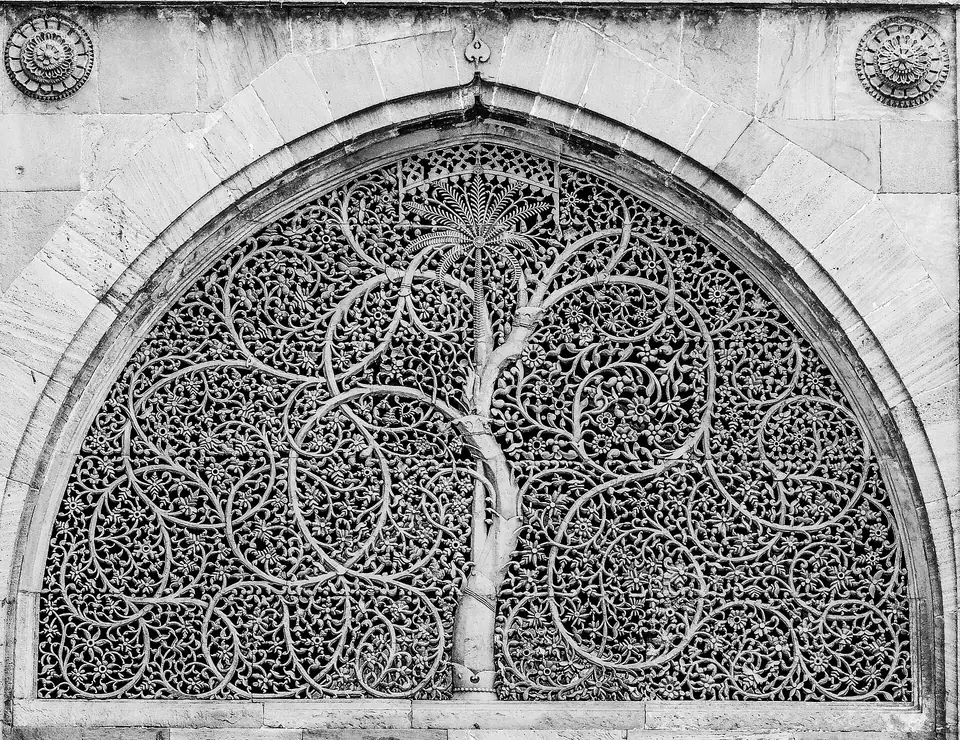
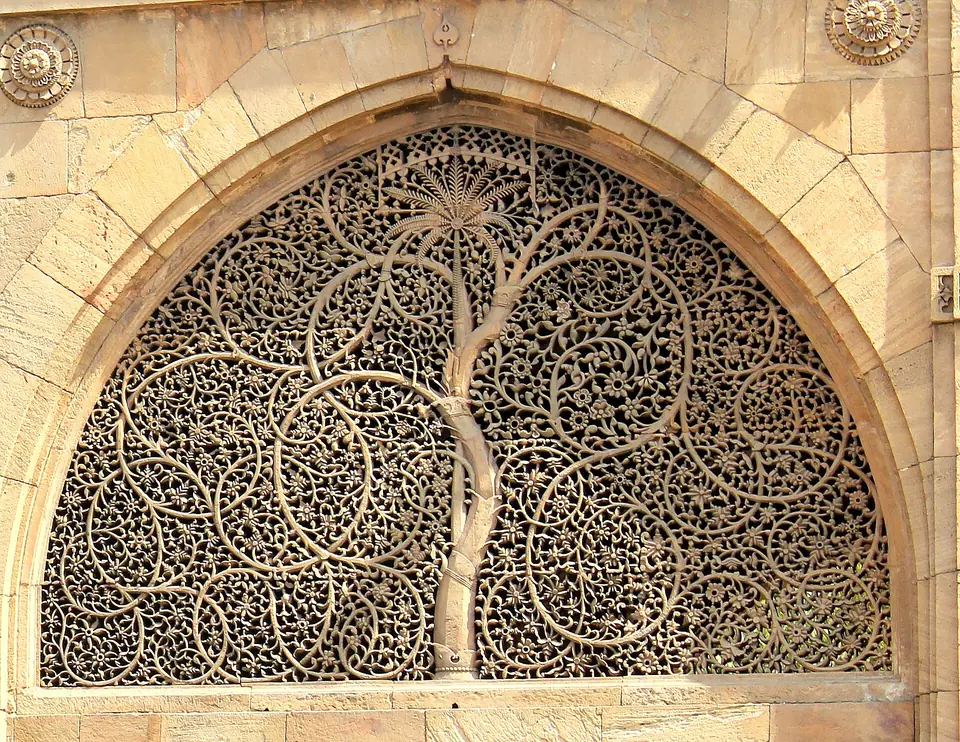
Sidi Saiyyed jali, 1573
Welcome aboard: register free with IMPTEvery booking funds one tonne of verified CO₂ offset.
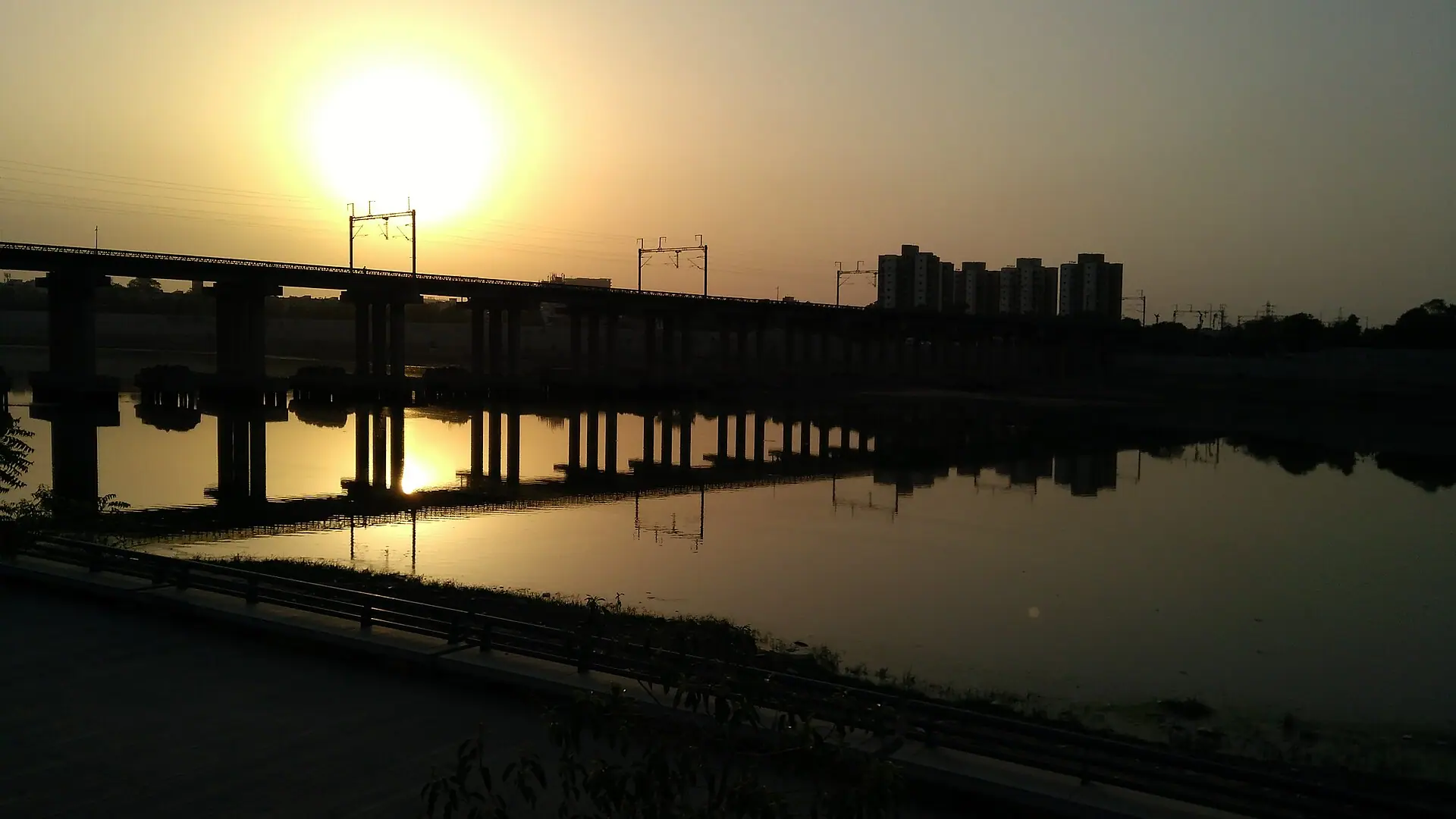
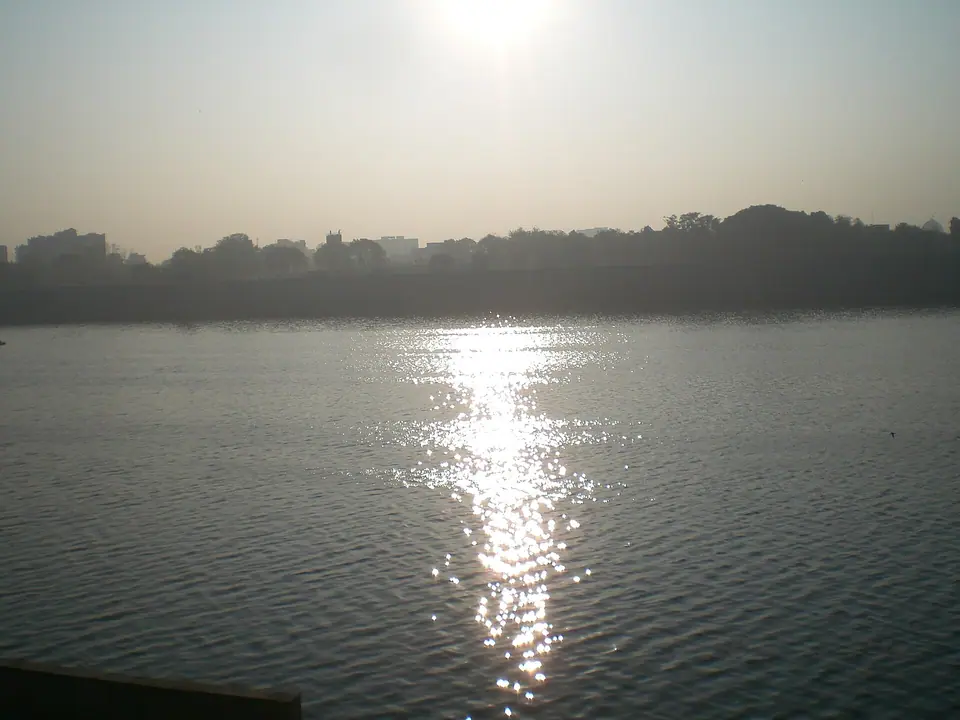
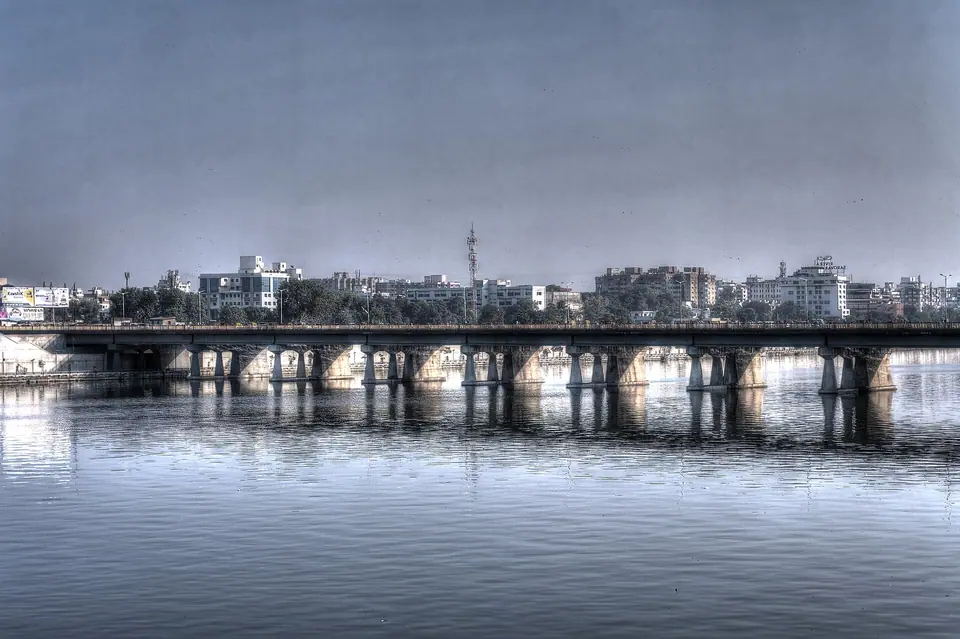
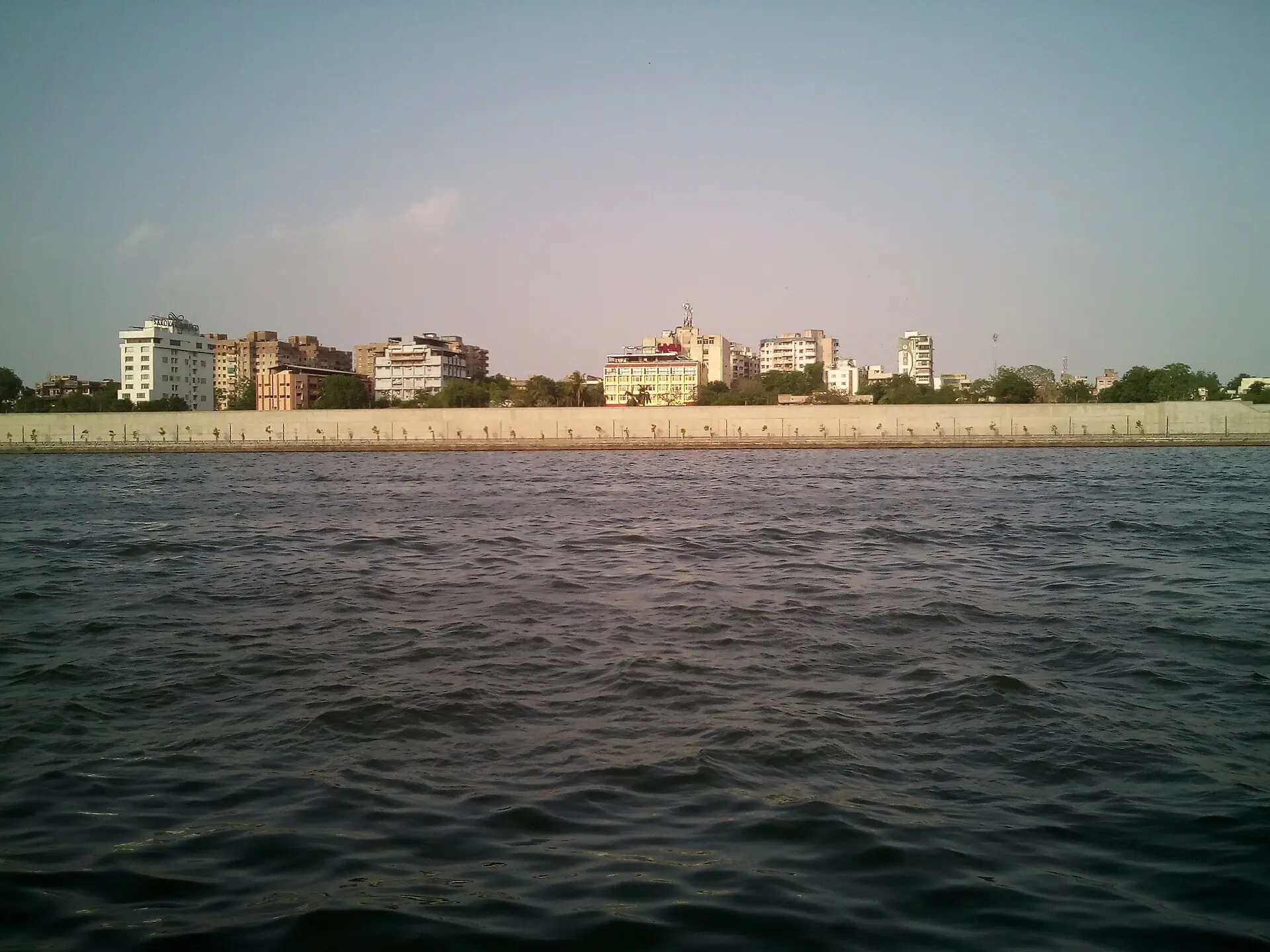
The Sabarmati splits the city: the walled old town on the east bank, the newer city spreading west.
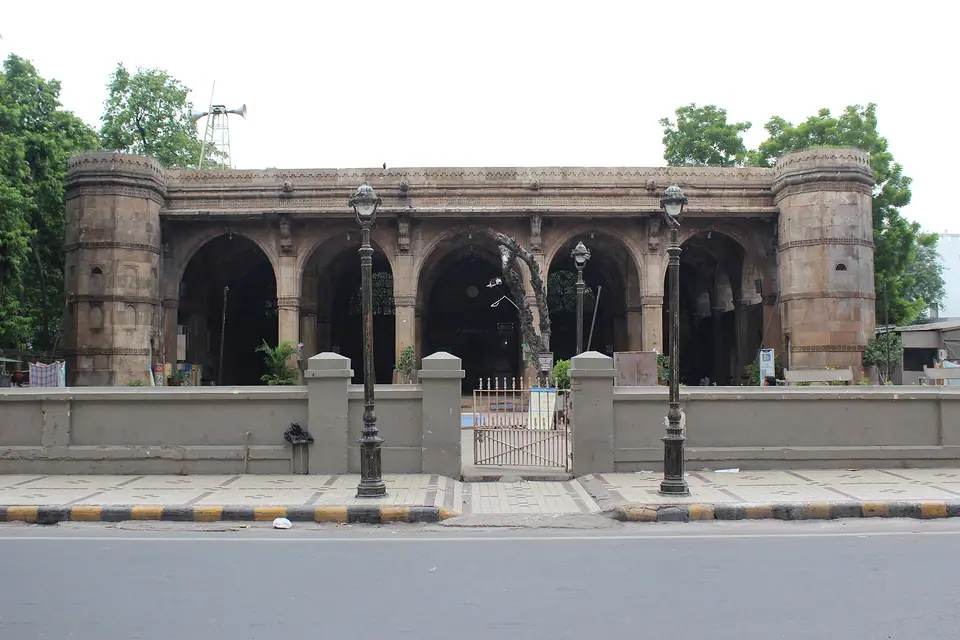
Sidi Saiyyed Mosque, Lal Darwaza
Best for heritage≈ 25–35 min from AMD
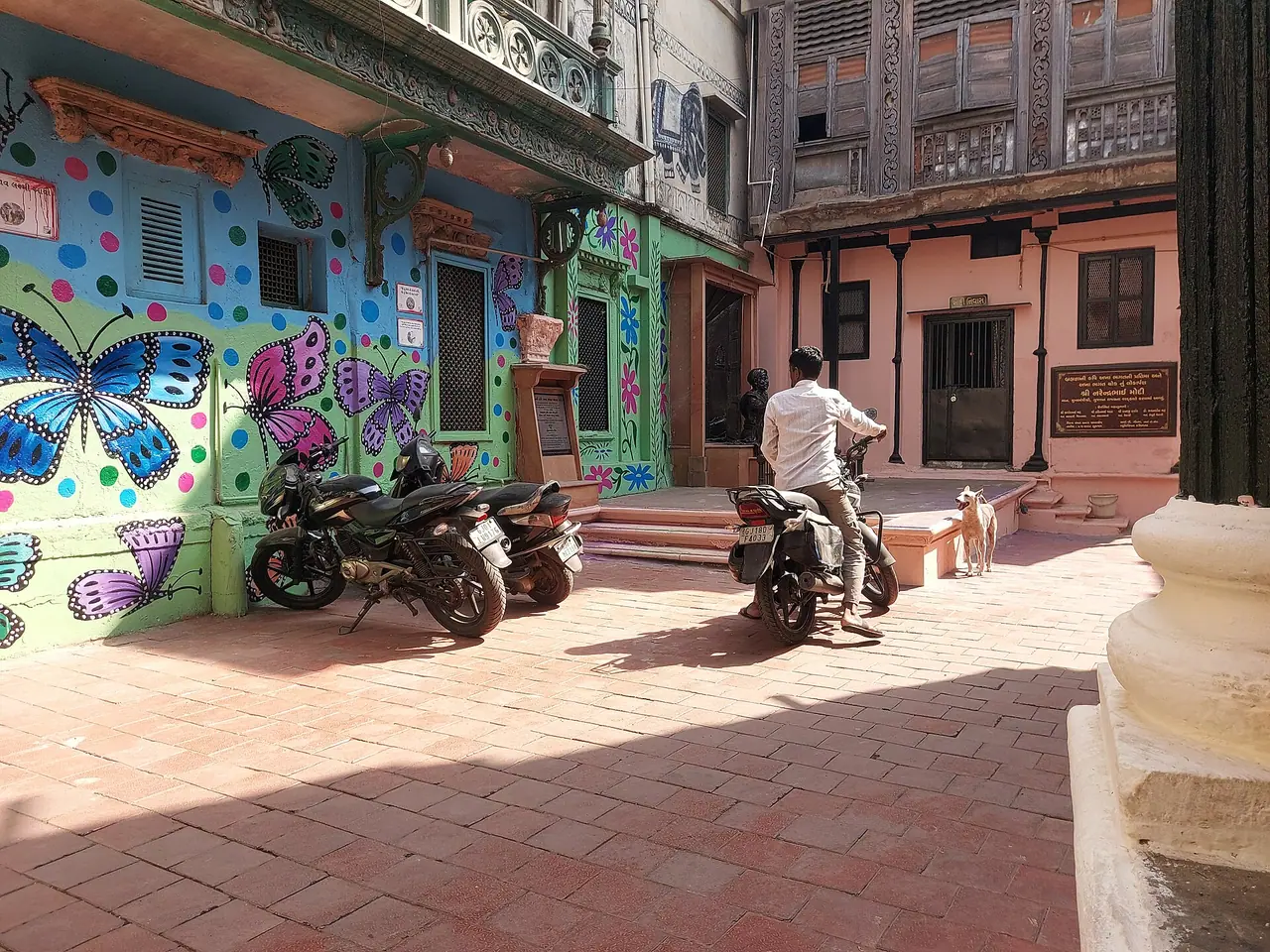
Old City · Pols
The UNESCO-listed walled city: gated pols, carved havelis, Jama Masjid and Manek Chowk’s night market. Stay in a restored haveli for the full experience.
01 · HERITAGE WALKThe city’s early-morning walk starts at the Swaminarayan Temple in Kalupur and threads through pols to Jama Masjid.
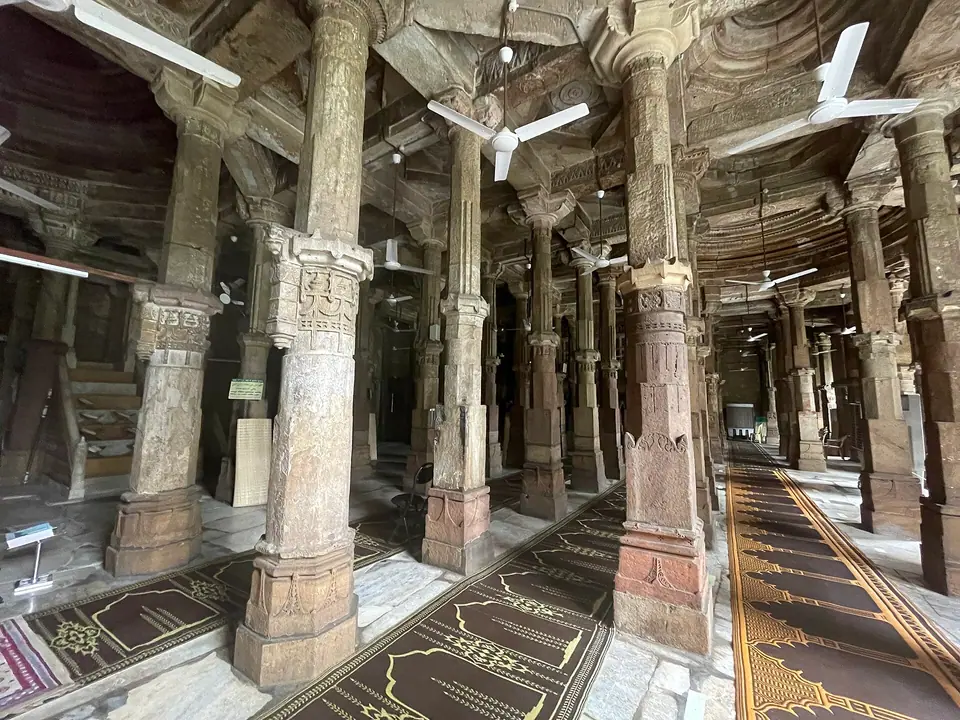
02 · JAMA MASJIDBuilt in 1424 by Ahmed Shah, with 260 pillars around a vast courtyard.
03 · CALICO MUSEUMOne of the world’s great textile collections in Shahibaug — guided visits only, book ahead.
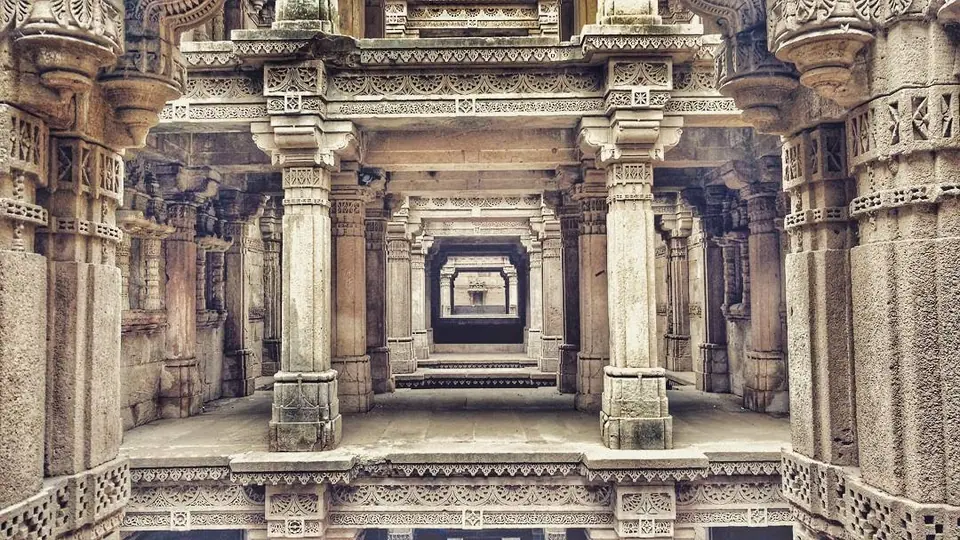
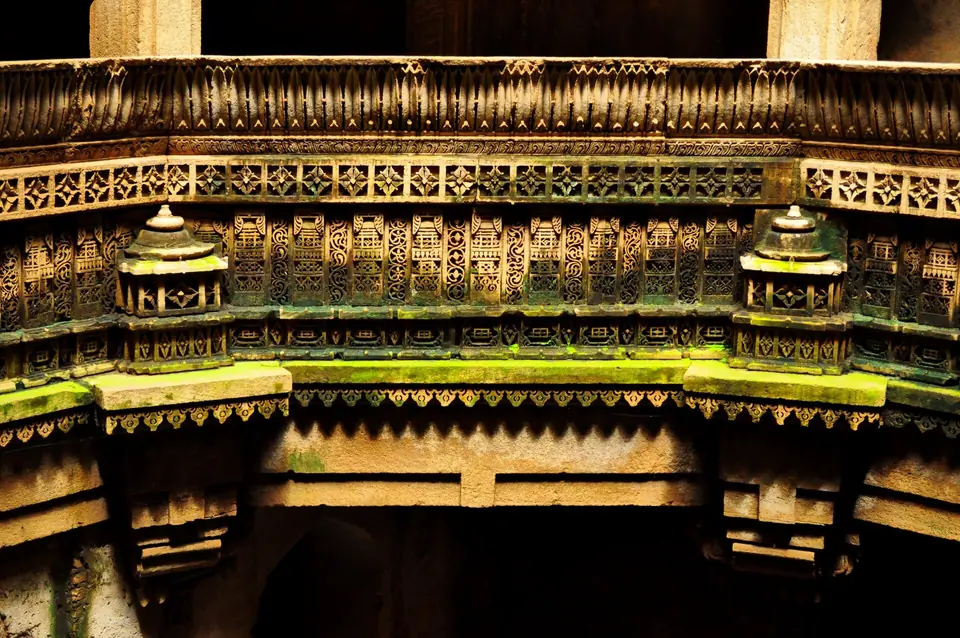
04 · ADALAJ STEPWELLFive storeys of carved sandstone from 1498, about 20 km north. Gandhinagar guide
Story · the stone lace
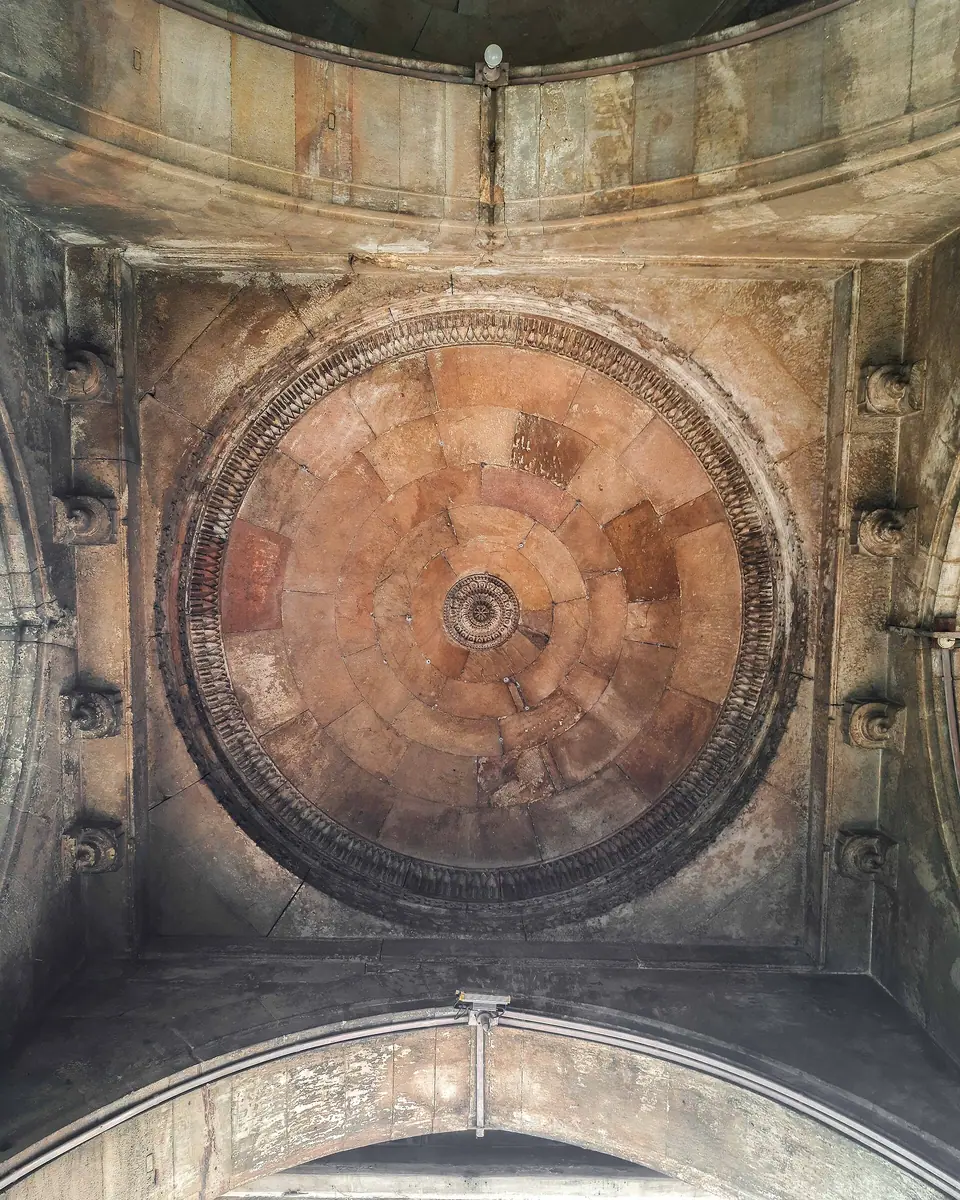
Inside Sidi Saiyyed, the city’s emblem
Sidi Saiyyed built this small mosque in 1572–73, in the last years of the Gujarat Sultanate. Its western wall holds ten stone jalis; the most famous shows intertwining trees and palm fronds cut through a single slab, so fine it reads like lace. The design became the logo of IIM Ahmedabad and a symbol of the whole city.
The mosque is still in use. Non-Muslim visitors can usually view the jalis from the courtyard outside prayer times; women may be asked to stay outside the prayer hall. The best light on the carving is early morning, before the traffic at Lal Darwaza builds up.
Free20–30 minutesDress modestly
The ceilingThe tree of lifeThe prayer hall
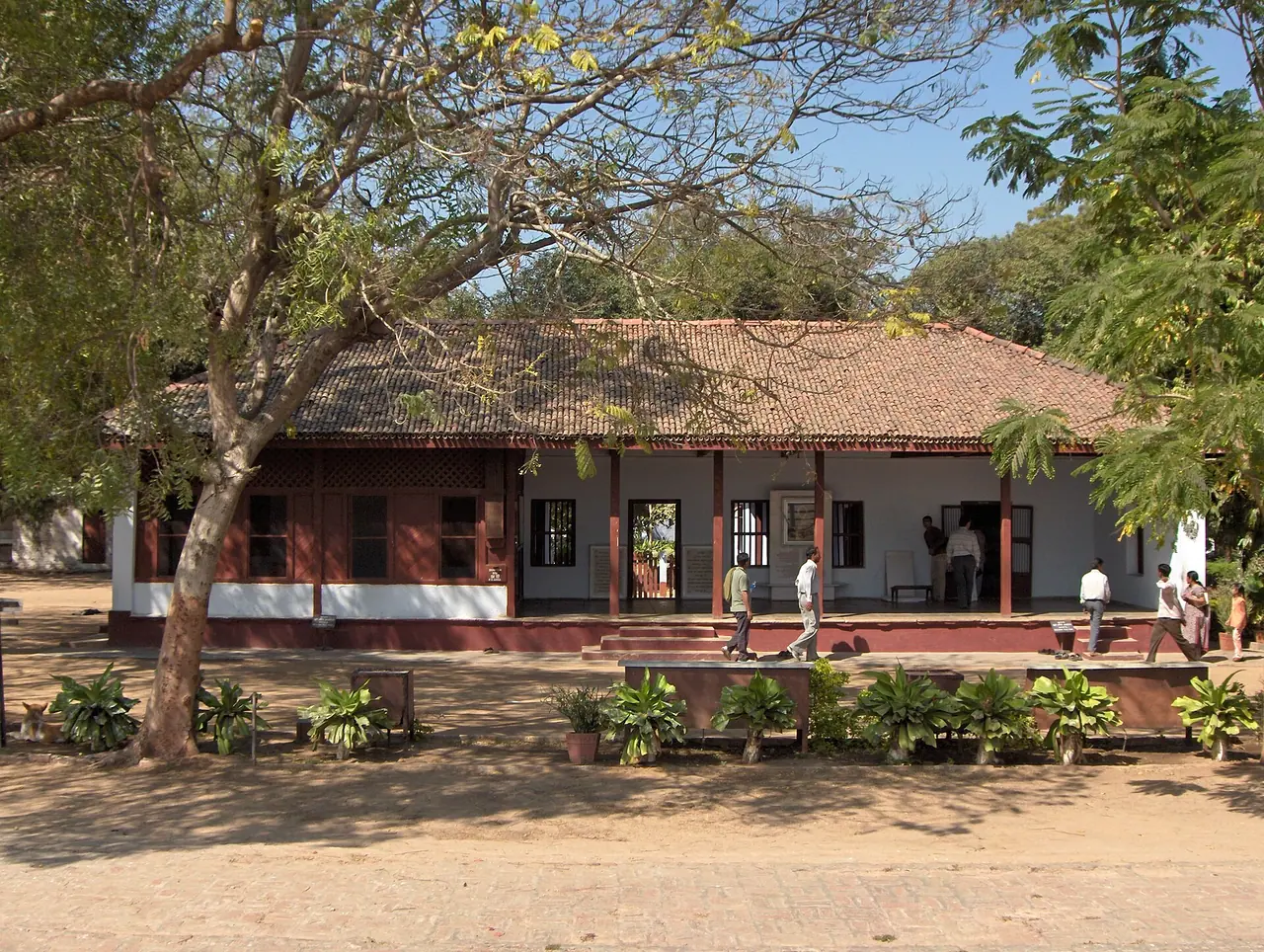
Gandhi’s house, Hriday KunjFrom the verandaThe river below
Story · Gandhi’s Ahmedabad
The ashram where the Salt March began
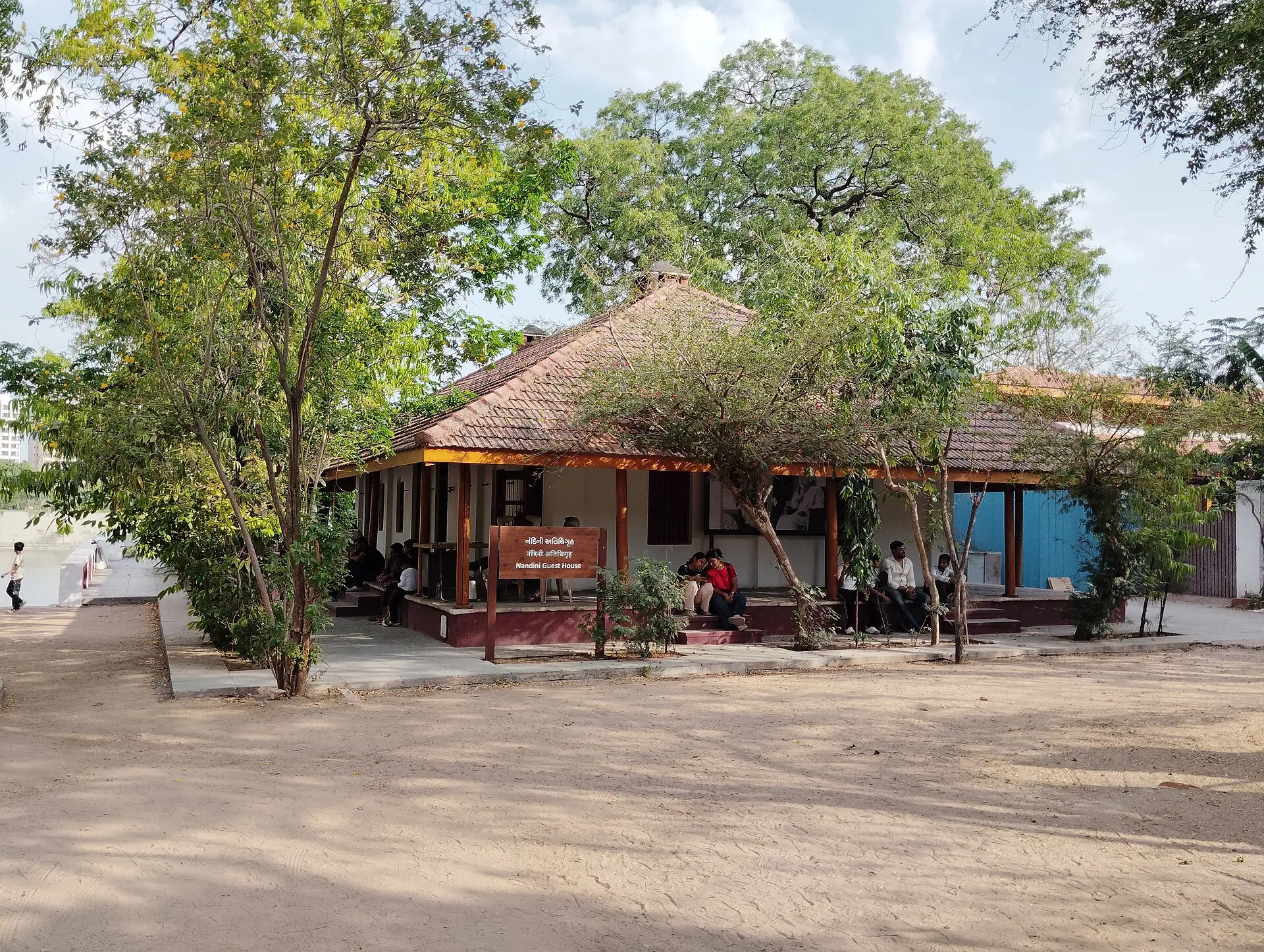
Gandhi moved his community to the banks of the Sabarmati in 1917 and lived here for 13 years. On 12 March 1930 he set out from this ashram with 78 followers on the 24-day march to Dandi to break the British salt law, vowing not to return until India was free — and he never lived here again.
Today you can see Hriday Kunj, his simple cottage with its spinning wheel and writing desk, Magan Niwas and Vinoba Kutir, and the Gandhi Smarak Sangrahalaya — a calm, open museum designed by Charles Correa in 1963. Come early, before the tour groups.
Free entry1–2 hoursAshram Road
ઉત્તરાયણ · નવરાત્રિ
The sky in January, the streets in autumn
Uttarayan on 14 January fills every rooftop with kites, and the International Kite Festival takes over the Riverfront. In September or October, Navratri brings nine nights of garba dancing across the city. Hotels fill early for both.
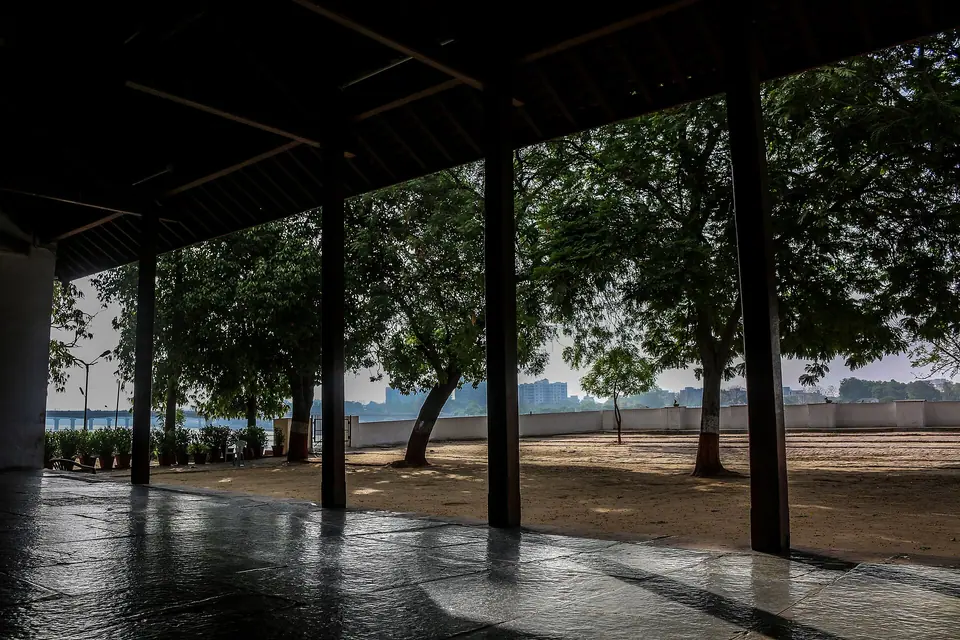
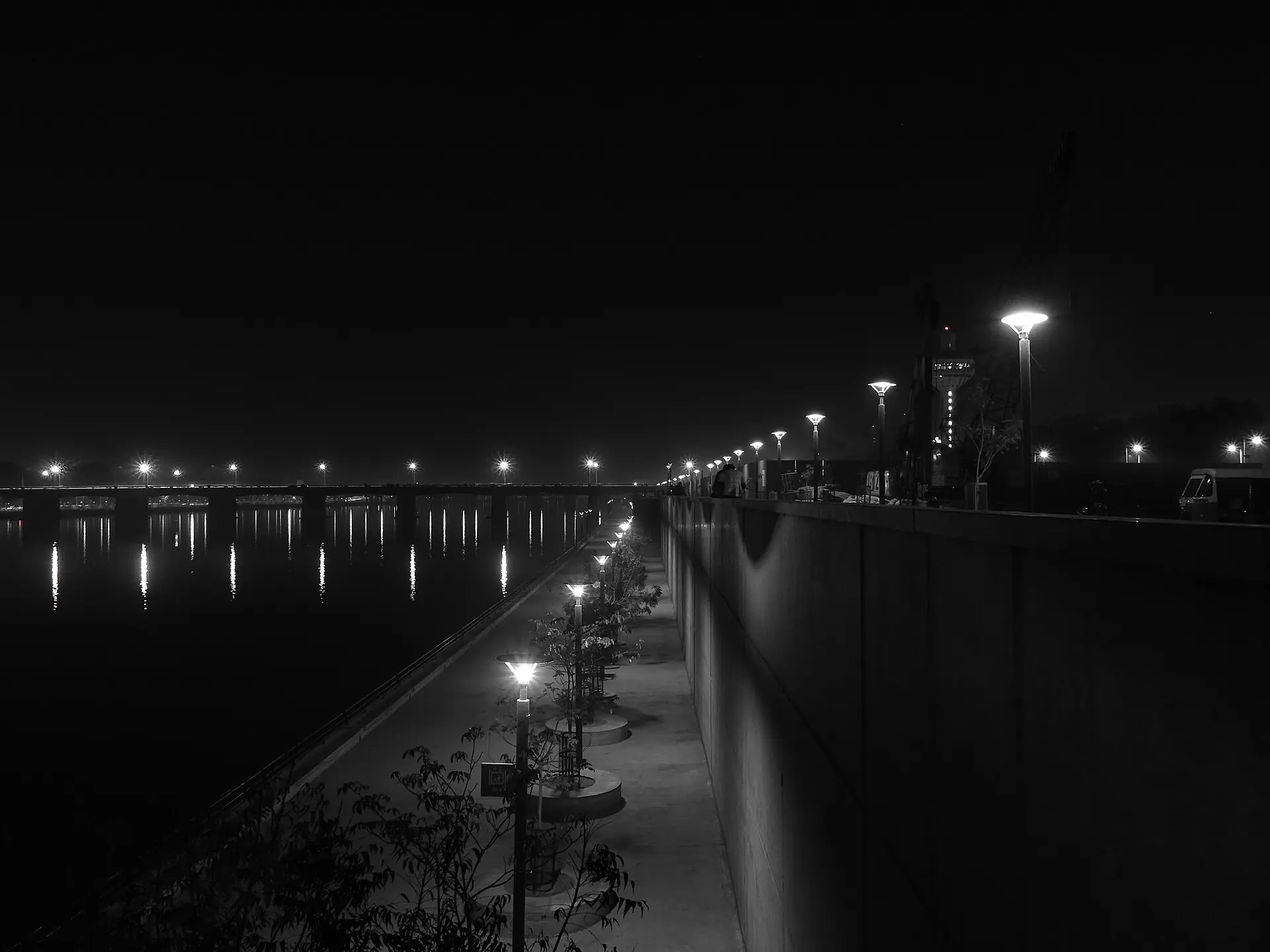
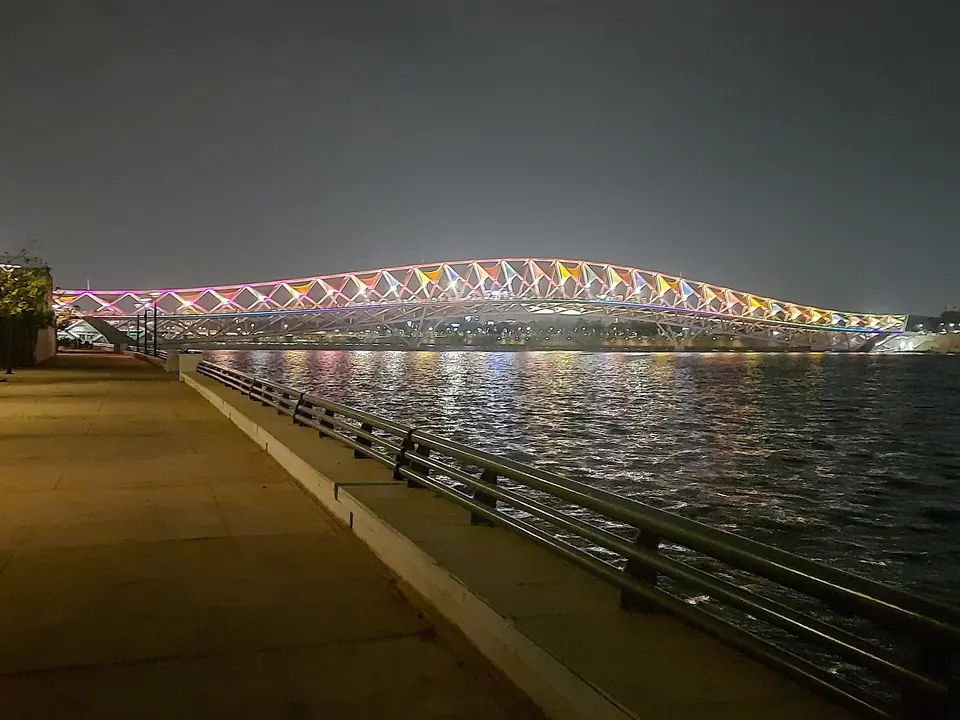
Photo story · the Riverfront
Where the city comes out at night
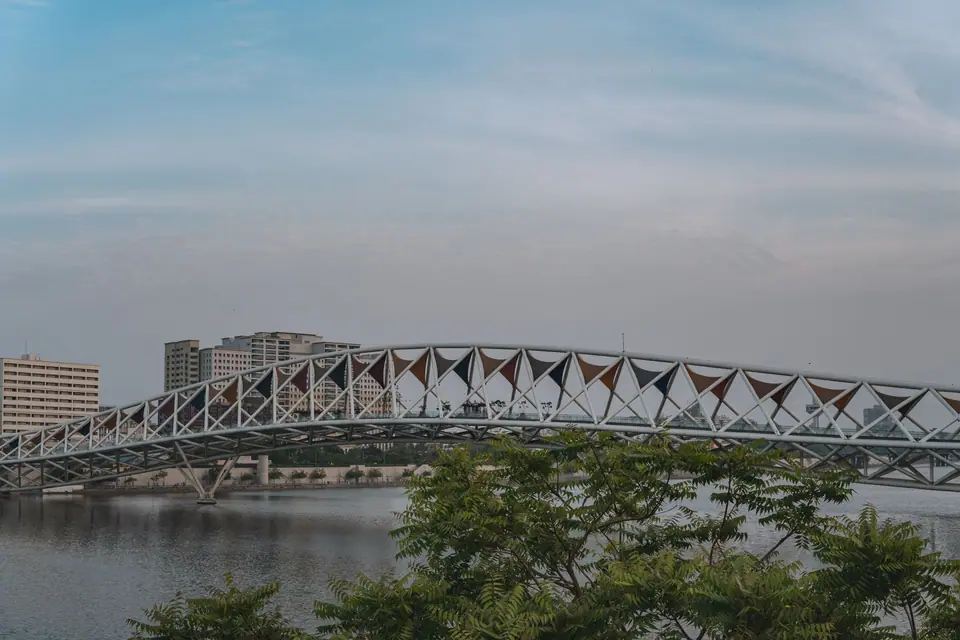
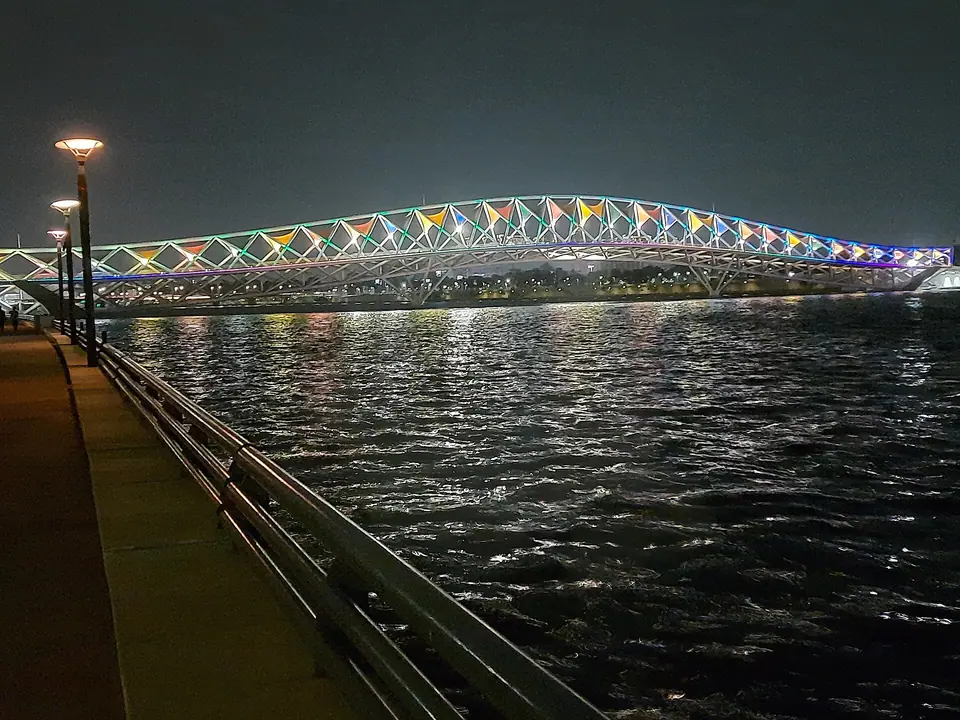
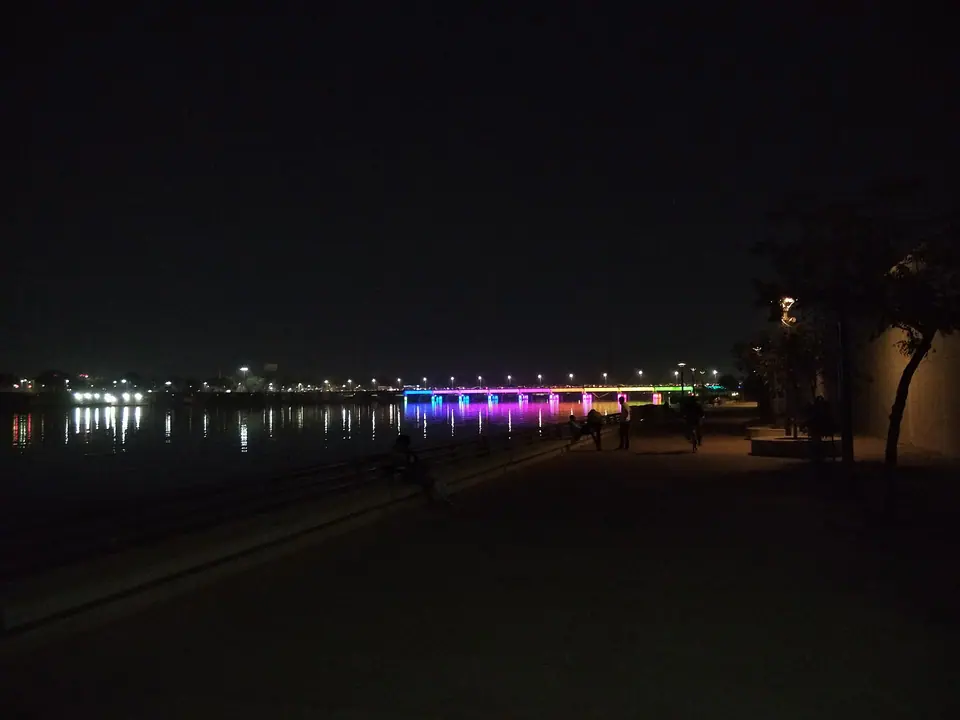
Over 10 km of promenades line both banks of the Sabarmati. The Atal Pedestrian Bridge, opened in 2022, links the Flower Park to the event grounds where the kite festival is held.
Long exposure on the promenadeAtal Bridge after darkRiverfront Flower ParkMorning walkers
Half-day trip · ≈ 20 km north
Down five storeys at Adalaj
Built in 1498 for Rana Veer Singh and completed by Queen Rudabai, the Adalaj vav steps down through five carved storeys to a cool, octagonal well. Combine it with Gandhinagar’s Akshardham for an easy afternoon out.
Guest scores are from the booking supplier. Prices and availability are live in the IMPT app.
Travel that does more
Same hotel, same rate — verified climate action
Hotels pay IMPT a commission on every booking. Part of it funds one tonne of verified carbon offset from named projects, including in India — and each retirement is written to a public ledger.
Ahmedabad travel guide: what to know before you book
Ahmedabad — locally Amdavad — is Gujarat’s largest city and its commercial heart. Sultan Ahmed Shah founded it on the east bank of the Sabarmati in 1411, and its walled old city, with more than 600 pols (gated neighbourhood lanes), carved wooden havelis and Indo-Islamic monuments, became India’s first UNESCO World Heritage City in 2017. The city later grew rich on textiles, earning the nickname “Manchester of the East”, and it was here that Mahatma Gandhi built his ashram and began the Salt March in 1930.
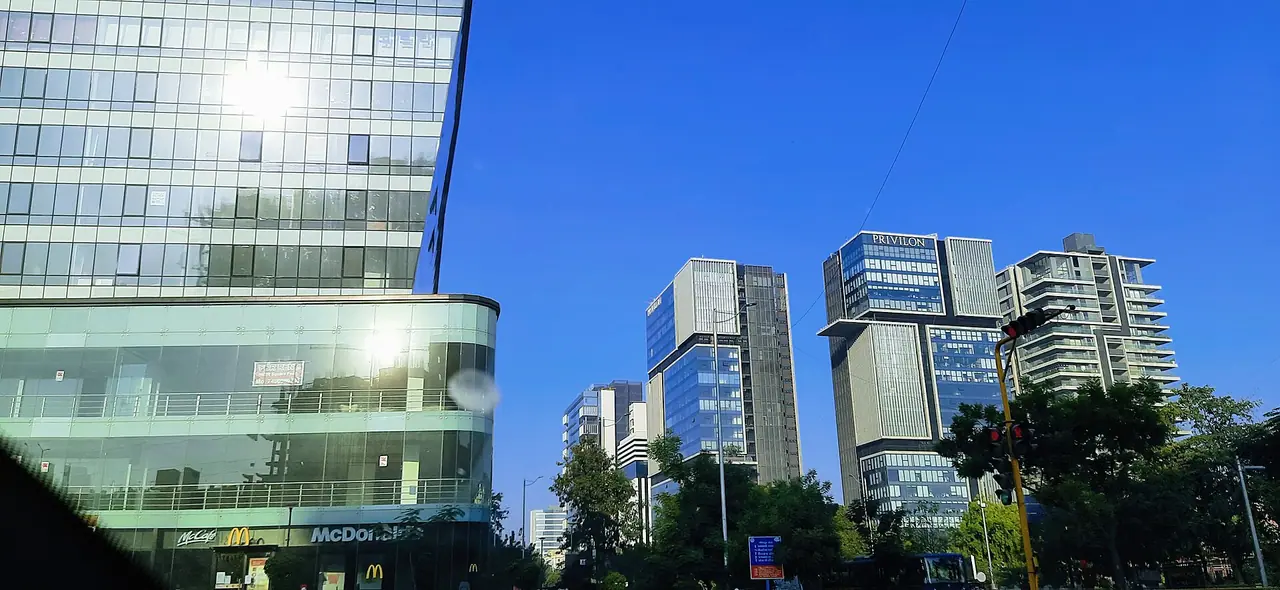
Modern Ahmedabad stretches west of the river: the Riverfront promenade, design schools, malls and the business towers of SG Highway. It is an easy city to visit — compact, safe, well connected by metro and BRTS, and only 30–45 minutes from the state capital, Gandhinagar.
Where to stay in Ahmedabad
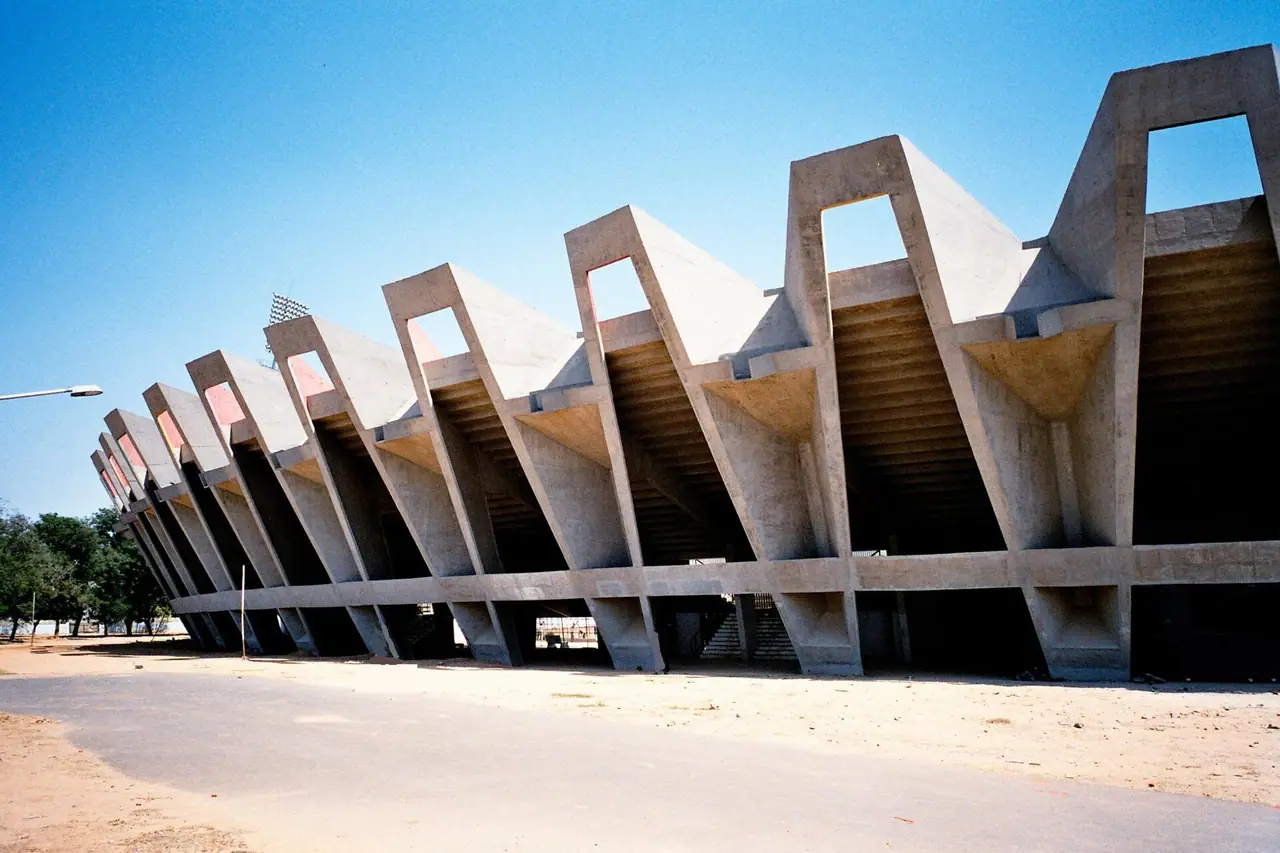
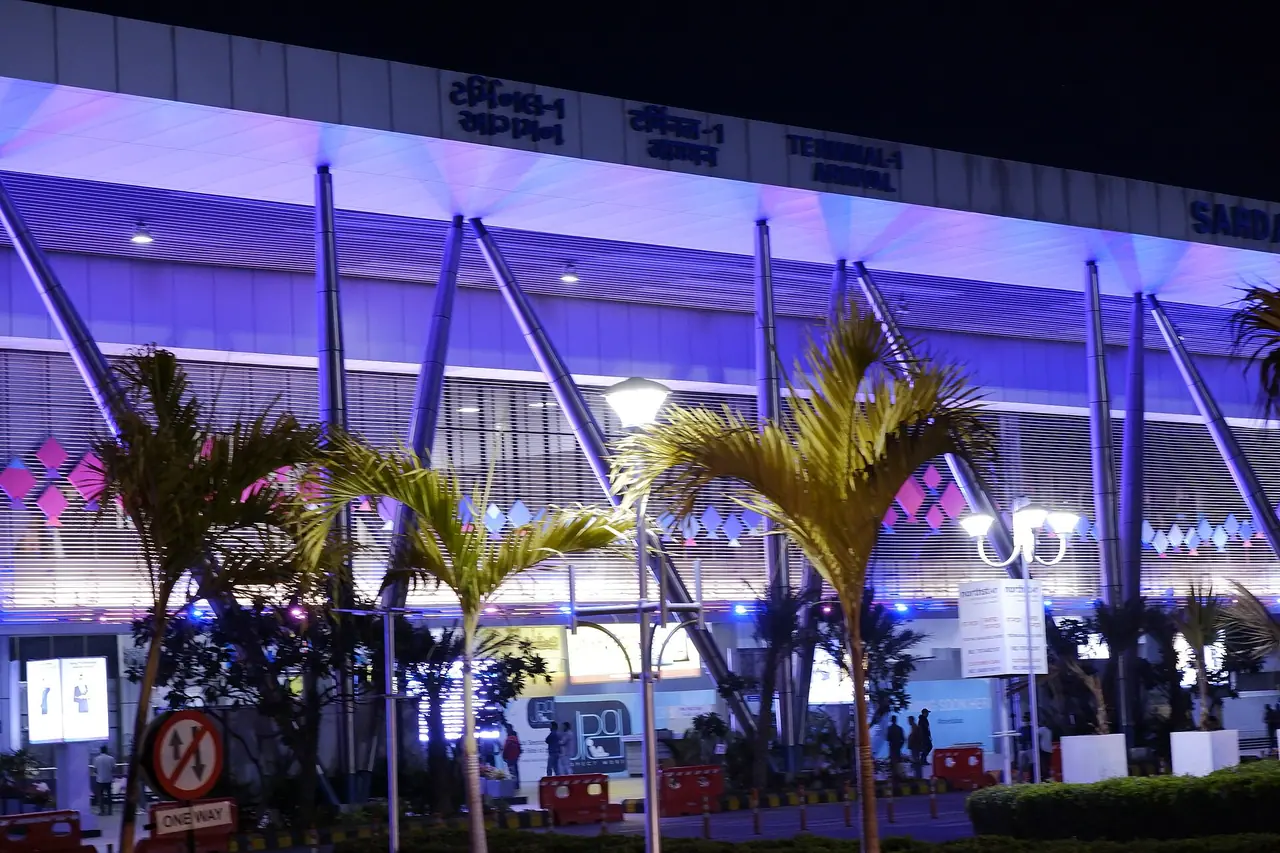
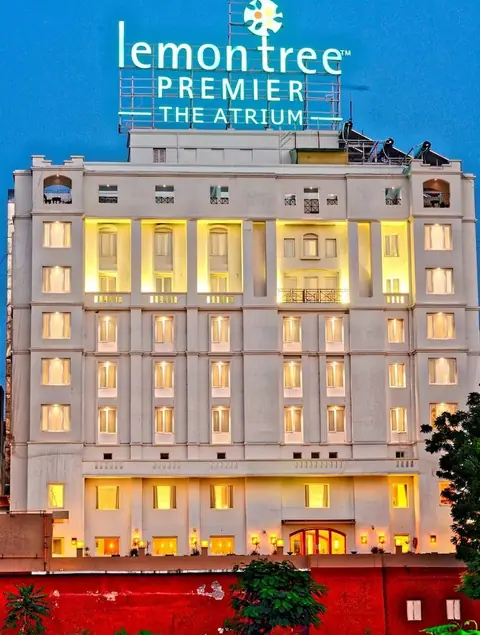
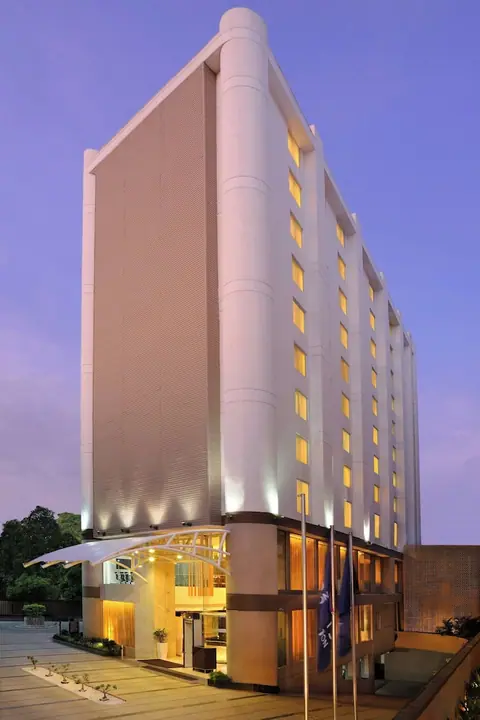
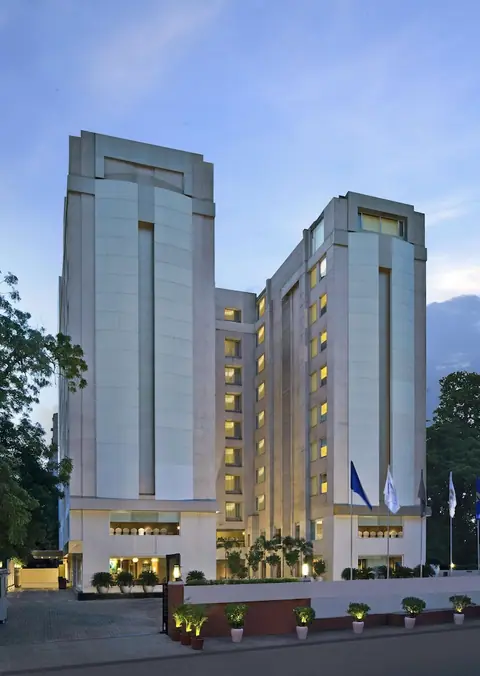
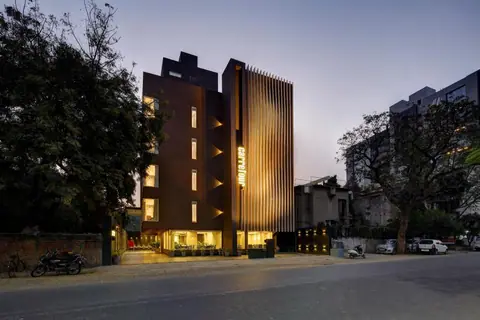
For a first visit, base yourself between Ellisbridge, the Riverfront and Ashram Road: central, on the metro and a short ride from both the old city and Sabarmati Ashram. Heritage lovers can stay in a restored haveli in the old city near Manek Chowk. Navrangpura and CG Road suit shoppers and diners, SG Highway and Prahlad Nagar are best for business and modern hotels, and the airport area works for short stays and early flights. Compare them in our guide to Ahmedabad’s areas.
Two days in Ahmedabad
Day 1 — the old city: the morning heritage walk through the pols, Jama Masjid and Ahmed Shah’s tomb, Sidi Saiyyed Mosque, then a thali lunch; evening at the Riverfront and late-night food at Manek Chowk.
Day 2 — Gandhi and design: Sabarmati Ashram in the morning, the Calico Museum (book ahead), Le Corbusier’s Sanskar Kendra or IIM Ahmedabad’s Louis Kahn campus from outside, and Law Garden market at night.
Practical tips
Dry state: Gujarat prohibits alcohol. Visitors from outside the state can apply for a temporary permit, usually at licensed shops in larger hotels.
Dress: cover shoulders and knees at mosques, temples and the ashram; remove shoes where asked.
Language: Gujarati is spoken everywhere; Hindi and English are widely understood. “Kem cho?” means “How are you?”.
Heat: from April to June, sightsee early and late, and carry water.
Money: cards and UPI are widely accepted; keep cash for autos and street food.
Watch
Ahmedabad in 30 seconds
Evening traffic on Ellis Bridge, the World Heritage City, the carved jali of Sidi Saiyyed, Gandhi's ashram, the kites of Uttarayan and a day trip to Modhera.
Read the transcript
Ellis Bridge over the Sabarmati, Ahmedabad. World Heritage City Amdavad: listed by UNESCO in 2017. The tree-of-life jali, Sidi Saiyyed Mosque. Sabarmati Ashram, Gandhi's home from 1917 to 1930. Kites over Gujarat at Uttarayan, 14 January. Modhera Sun Temple, a day trip. Best time: November to February. imptahmedabad.in.
Video: Pexels clips by Yogesh Jadeja, Ranjeet Chauhan, dharmesh wadhwani and KamleshKns Kumawat (Pexels licence); stills by Bernard Gagnon (CC BY-SA 3.0) and Snehrashmi (CC BY-SA 4.0) via Wikimedia Commons; edited for imptahmedabad.in.
Questions
Where is the best area to stay in Ahmedabad?
The Riverfront, Ellisbridge or Ashram Road for a central first visit; a heritage haveli in the old city for atmosphere; SG Highway or Prahlad Nagar for business; near the airport for short stays.
What is the best time to visit Ahmedabad?
November to February is dry and mild. Uttarayan, the kite festival, is on 14 January. April to June is very hot, and the monsoon runs roughly from late June to September.
Is Ahmedabad a UNESCO World Heritage City?
Yes. The walled city of Ahmedabad was inscribed as India’s first UNESCO World Heritage City in 2017.
Can you drink alcohol in Ahmedabad?
Gujarat is a dry state. Visitors from outside Gujarat can apply for a temporary liquor permit, usually through licensed shops at larger hotels. Check current rules before you travel.
How far is Ahmedabad airport from the city centre?
Sardar Vallabhbhai Patel International Airport (AMD) is about 9 km north-east of the centre — usually 20–40 minutes by road.
Do I need a visa for India?
Most foreign visitors need an Indian e-Visa, applied for online before travel. Check the official Indian government visa site for current rules.
How do you get around Ahmedabad?
Ahmedabad has a metro system, BRTS buses, AMTS city buses, auto-rickshaws and app-based cabs. The metro has two lines; check the current network. Walking works well in the walled city. Rickshaws are widely available for short trips.
Is Ahmedabad safe for visitors?
Ahmedabad is generally safe for visitors. Take usual precautions in crowded areas and at night. The walled city's narrow lanes are busy during the day. Keep valuables secure. Women travellers should dress modestly and avoid isolated areas after dark.
What should you wear in Ahmedabad?
Light cotton clothes work best, especially from March to June when it is very hot. November to February is cooler; a light jacket or shawl helps in the evening. Modest dress is recommended, particularly when visiting temples and mosques. Comfortable walking shoes are useful.
Photo credits: Bernard Gagnon, CC BY-SA 3.0, via Wikimedia Commons; Riyas16, CC0, via Wikimedia Commons; Ranjeet Chauhan / Pexels; Pranav911, CC BY 3.0, via Wikimedia Commons; Carlo Fumarola, CC BY-SA 3.0, via Wikimedia Commons; Kushagra140, CC BY-SA 4.0, via Wikimedia Commons; Apurba Biswas, CC0, via Wikimedia Commons; Nizil Shah, CC BY-SA 4.0, via Wikimedia Commons; SAKET K. LAKHIA, CC BY-SA 4.0, via Wikimedia Commons; Pravega, CC0, via Wikimedia Commons; Snehrashmi, CC BY-SA 4.0, via Wikimedia Commons; CptViraj, CC BY-SA 3.0, via Wikimedia Commons; Manankarangiya7, CC BY-SA 4.0, via Wikimedia Commons; Vrajesh jani, CC BY-SA 3.0, via Wikimedia Commons; Fatemeh M. Saradj, CC BY-SA 4.0, via Wikimedia Commons; No machine-readable author provided. Nichalp assumed (based on copyright claims), CC BY-SA 2.5, via Wikimedia Commons; Rupeshsarkar, CC BY-SA 4.0, via Wikimedia Commons; Maulik Joshi, CC BY-SA 3.0, via Wikimedia Commons; Shashirupapara, CC BY-SA 4.0, via Wikimedia Commons; Emmanuel DYAN, CC BY 2.0, via Wikimedia Commons; Apurv Jain, CC BY-SA 4.0, via Wikimedia Commons; Mahargh Shah, CC BY-SA 3.0, via Wikimedia Commons; Niharpatel123456, CC BY-SA 4.0, via Wikimedia Commons.