Kolkata from Ahmedabad: where to stay and what to do
A practical guide for travellers from Ahmedabad to Kolkata. Covers flights, areas to stay, what to do, food and getting around.

Getting there from Ahmedabad
Non-stop flights connect Sardar Vallabhbhai Patel International Airport (AMD) to Netaji Subhas Chandra Bose International Airport (CCU) in Kolkata. The flight takes about 2 hours 30 minutes. Check current schedules as frequencies change. The straight-line distance is about 1,610 km. For most travellers, flying is the practical option. Book tickets in advance, especially during Durga Puja when demand is high.
Kolkata is also reachable by train from Ahmedabad Junction, but the journey takes over 30 hours. Trains run daily and offer sleeper and AC classes. The route passes through central India. If you have time, the train journey gives a different perspective of the landscape. However, for a short trip, flying saves time and energy.
Where to stay
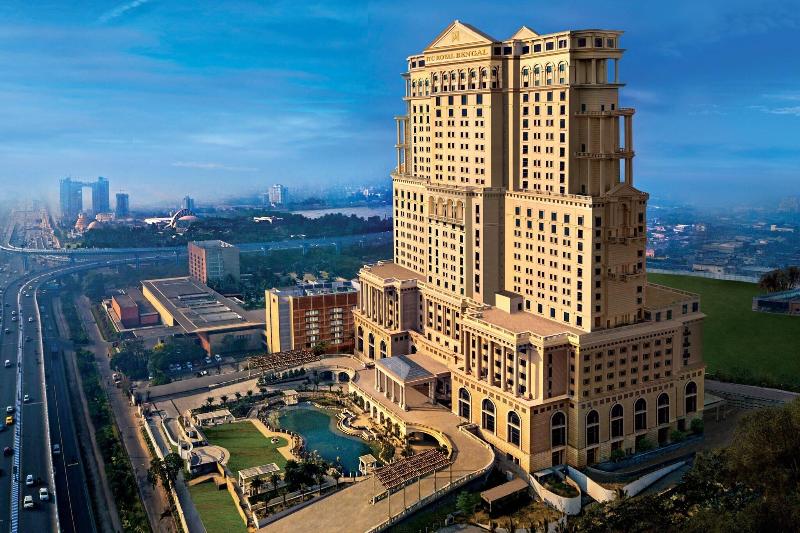
Park Street and Esplanade are central, close to colonial landmarks and the Maidan. These areas suit first-time visitors. Ballygunge offers a quieter, residential feel with good access to south Kolkata attractions. Salt Lake and New Town are modern satellite towns with many hotels; they are farther from the old city but well connected by metro and taxis. Each area has a range of accommodation from budget guesthouses to business hotels.
Choose a location based on your itinerary. Central areas save time on travel. New Town is convenient for the airport and the expressway. Salt Lake has wide roads and a planned layout. Ballygunge is close to the southern museums and markets. Park Street is lively with restaurants and nightlife. Esplanade is near the bus stand and the river. Book accommodation well ahead if travelling during Durga Puja; prices rise and rooms fill up.
- Park Street: central, near Park Street cemetery and restaurants.
- Esplanade: close to the Maidan and Howrah Bridge.
- Salt Lake: modern, metro connects to the city centre.
- New Town: near the airport and the eco park.
- Ballygunge: quiet, near south Kolkata markets and museums.
What to do
Start at the Maidan, the vast green heart of the city. Visit the Victoria Memorial, a white marble building from the British era with a museum inside. Walk to the Howrah Bridge (officially Rabindra Setu), a cantilever bridge over the Hooghly River. The bridge is best seen from the riverbank or from a ferry. Explore the Indian Museum on Chowringhee Road, one of the oldest museums in Asia. See the Marble Palace, a 19th-century mansion with art and antiques.
Take a tram ride on the city's heritage tram network. Visit the Dakshineswar Kali Temple and Belur Math across the river. For a quieter afternoon, stroll through the Botanical Garden in Shibpur. The Science City and the Birla Planetarium are good for families. The Mother House of the Missionaries of Charity is a place of quiet reflection. The South Park Street Cemetery has historic graves. Plan at least two full days to see the main sights.
- Victoria Memorial: museum and gardens, open every day except Monday.
- Howrah Bridge: free to walk across; best at sunset.
- Indian Museum: archaeology and natural history exhibits.
- Marble Palace: free entry, but a permit is needed in advance.
- Tram ride: a slow way to see the old city.
Food and drink
Kolkata is famous for its sweets. Try sandesh, rasgulla, mishti doi and the flaky patishapta. Street food includes puchka (the local version of pani puri), kathi rolls (paratha wrapped around a filling) and telebhaja (batter-fried snacks). The Chinese quarter in Tangra serves Indian-Chinese dishes like chilli chicken and momos. For a full meal, look for a traditional Bengali thali: rice, dal, fish curry, vegetables and chutney.
Fish is central to Bengali cuisine; try the bhetki or ilish preparations. Restaurants in Park Street and around Ballygunge serve both local and international food. Kolkata is not a dry city; alcohol is available in bars and restaurants. Street stalls are busy and turnover is high, so food is fresh. Avoid tap water; drink bottled or filtered water. The city has many cafes serving tea and snacks. Eating out is affordable and varied.
Getting around
Kolkata Metro is the oldest in India. The Blue Line runs north-south from Dum Dum to Kavi Subhash. The Green Line connects Salt Lake Sector V to the city centre. The Purple Line and Orange Line are being extended; check the current network. Buses, trams and taxis fill the gaps. App-based cabs and auto-rickshaws are widely available. Yellow taxis are metered but can be hard to find at peak times.
Ferry services cross the Hooghly River between several ghats. Walking is pleasant in the Maidan and along the riverbank. Avoid rush hours (9–11 am and 5–8 pm) when traffic is heavy. The metro is the fastest way to cover long distances. Buy a smart card to avoid queues. Download a ride-hailing app before arrival; it simplifies payments and avoids haggling. Trams are slow but scenic. Plan your routes in advance to save time.