Kuala Lumpur from Ahmedabad: where to stay and what to do
A guide for travellers from Ahmedabad to Kuala Lumpur: how to get there, where to stay, what to see and eat, and practical tips.
Getting there from Ahmedabad
Sardar Vallabhbhai Patel International Airport in Ahmedabad does not have direct flights to Kuala Lumpur. You will need to connect through a hub such as Singapore, Bangkok or Dubai. Total travel time is roughly seven to ten hours, depending on the layover. Always check current schedules and airlines before booking. The distance between the two cities is about 3,830 kilometres in a straight line. Kuala Lumpur International Airport is about 45–60 kilometres south of the city centre. From the airport, you can take the KLIA Ekspres train to KL Sentral in about 30 minutes. Taxis and ride-hailing apps are also available. The journey by road can take an hour or more in traffic.
Book your flights early to get better options. Mid-week departures from Ahmedabad tend to have fewer passengers and may offer more comfortable connections. Kuala Lumpur International Airport is well connected to the city by train and road. The KLIA Ekspres is the fastest way to reach KL Sentral. Ride-hailing apps like Grab are reliable and widely used. Taxis are available but always agree on the fare or insist on the meter before starting the trip.
Areas to stay
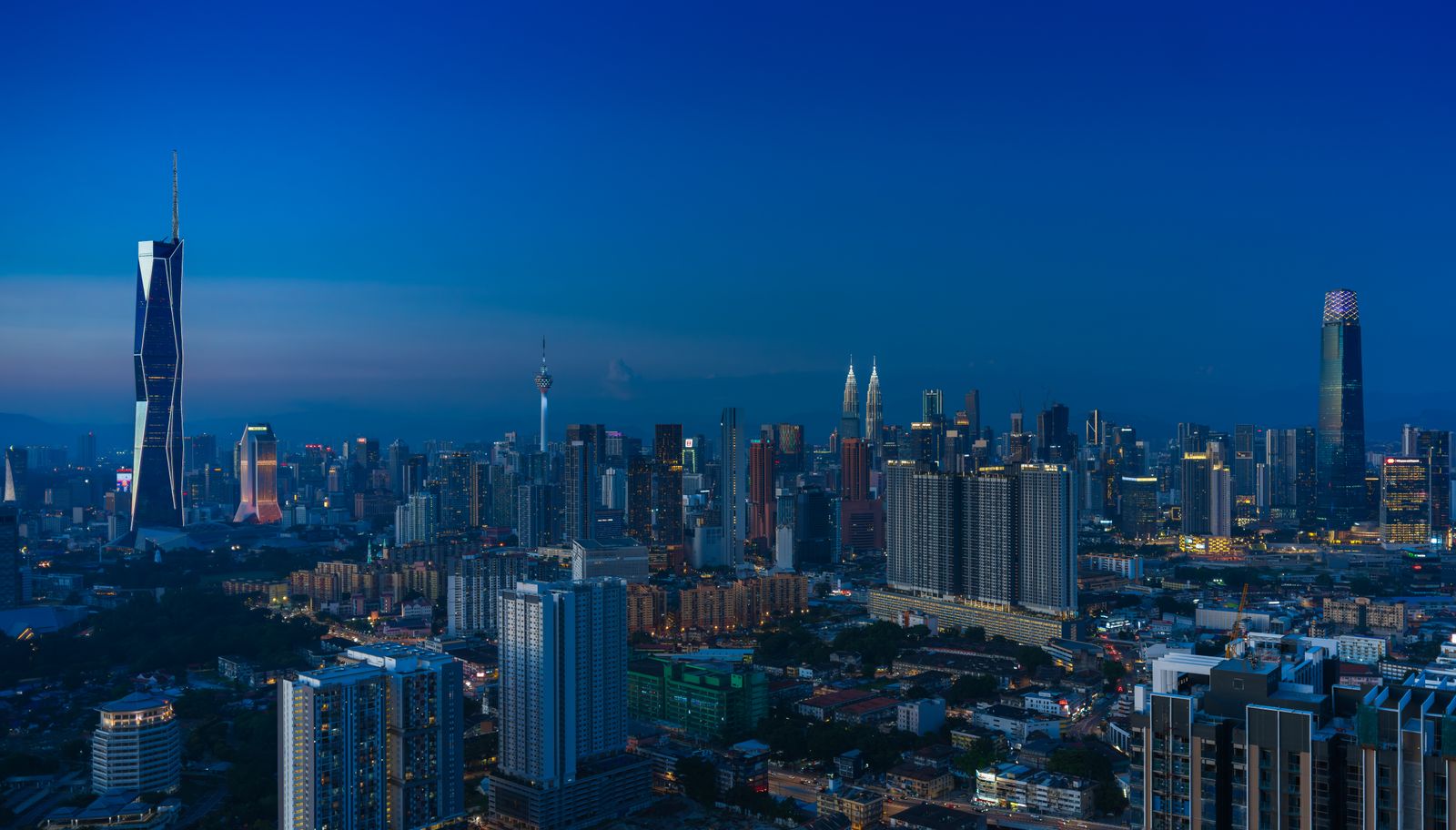
KLCC is the area around the Petronas Towers. It is central, modern and convenient for first-time visitors. Many hotels and serviced apartments are within walking distance of the towers, Suria KLCC mall and the KLCC Park. Expect higher prices here. The area is well connected by the LRT and has plenty of dining options. It is a good base if you plan to spend time in the city centre.
Bukit Bintang is Kuala Lumpur's main shopping and entertainment district. It has a lively atmosphere with malls, street stalls and nightlife. Accommodation ranges from budget hostels to five-star hotels. Chinatown offers cheaper options and is close to markets and heritage sites. KL Sentral is a transport hub with easy train connections. It is a practical choice if you plan to travel by train frequently. Each area has its own character and price range.
- KLCC is best for first-time visitors and proximity to Petronas Towers.
- Bukit Bintang suits shoppers and those who want nightlife.
- Chinatown is good for budget travellers and street food.
- KL Sentral is ideal if you plan to use trains a lot.
What to do
The Petronas Towers are the city's most famous landmark. Visit the skybridge and observation deck on level 86. Tickets are limited and sell out early, so book online in advance. The KLCC Park at the base has a fountain, a pool and walking paths. It is a pleasant place to relax in the evening. The towers are illuminated at night and make a good photo subject. You can also visit the Suria KLCC mall for shopping and dining.
Batu Caves are about 13 kilometres north of the city. The main cave houses a Hindu temple and is reached by climbing 272 steps. Watch out for monkeys. The golden statue of Lord Murugan at the entrance is 42.7 metres tall. Go early in the morning to avoid crowds and heat. The caves are a popular day trip from the city. You can reach them by train from KL Sentral to Batu Caves station. The journey takes about 30 minutes.
Food
Kuala Lumpur is known for its hawker food. You will find Chinese, Malay and Indian influences. Nasi lemak is coconut rice served with sambal, anchovies, peanuts and boiled egg. Char kway teow is stir-fried flat noodles with prawns and bean sprouts. Satay are grilled skewers of meat with peanut sauce. Roti canai is a flaky flatbread served with curry. It is a common breakfast or snack. Cendol is a dessert of shaved ice, coconut milk, green jelly and palm sugar. Many hawker centres and food courts serve these dishes.
Jalan Alor night market in Bukit Bintang is a good place to sample a variety of street food. The stalls open in the evening and offer everything from seafood to noodles. You can also visit food courts in shopping malls for air-conditioned dining. Local coffee shops serve kopi and toast for breakfast. The food scene is diverse and affordable. Try a different dish each day to experience the range of flavours. Always drink bottled water and eat at busy stalls for freshness.
- Try nasi lemak, char kway teow, satay, roti canai and cendol.
- Hawker centres are cheap and authentic.
- Jalan Alor is a popular street for evening food.
Getting around and practical tips
Kuala Lumpur has a good public transport system. The LRT, MRT and monorail cover most areas. A Touch 'n Go card or a tourist pass saves time. Grab is the main ride-hailing app and works well. Taxis are available but agree on the fare beforehand or insist on the meter. The city is walkable in central areas, but the heat and humidity can be tiring. Plan your route to avoid long walks during the hottest part of the day.
The climate is hot and humid all year. Carry water and an umbrella. Dress modestly when visiting temples and mosques. English is widely spoken. The currency is the Malaysian ringgit. ATMs are common. Tipping is not expected but appreciated. Check the current visa rules for Indian passport holders before you travel. Download Grab and the local transport apps before you arrive. They make getting around much easier. Keep a copy of your passport and visa documents in your hotel safe.


