Ahmedabad to Nepal: flights, entry and travel tips
Flights from Ahmedabad to Kathmandu connect via hubs such as Delhi or Mumbai. Indian citizens do not need a visa for Nepal.
Getting there from Ahmedabad
Sardar Vallabhbhai Patel International Airport (AMD) in Ahmedabad does not have direct flights to Nepal. Travellers usually fly via a hub such as Delhi, Mumbai or Kolkata. The total journey from Ahmedabad to Kathmandu typically takes between four and seven hours, including the layover. Check current schedules and airlines for the most convenient connection. The main airport in Nepal is Tribhuvan International Airport (KTM) in Kathmandu. From there, domestic airlines connect to other cities such as Pokhara, Bharatpur and Bhairahawa. Book connecting flights separately or as part of a single itinerary. Always confirm the current flight timings and transit requirements before booking. A single ticket protects your itinerary in case of delays, so consider booking the entire journey with one airline or through a travel agent.
For travellers who prefer a longer journey, overland routes from India into Nepal are also possible. The closest border crossing from Ahmedabad is through Sunauli or Raxaul, but this involves a long bus or train ride across northern India. Most travellers from Ahmedabad find flying to Kathmandu the most practical option. Once in Kathmandu, domestic flights and buses connect to other parts of Nepal. The domestic terminal at Tribhuvan International Airport is separate from the international one, so allow time for transfers. For popular routes such as Kathmandu to Pokhara, book domestic flights in advance during peak tourist seasons to secure a seat.
Entry rules for Indian passport holders
Indian citizens do not need a visa to enter Nepal. A valid passport or a government-issued voter ID card is accepted at immigration. Check the official website of the Embassy of Nepal in New Delhi or its consulates for the current list of accepted documents before travel. Travellers arriving by air must present a valid document at immigration. Overland entry points, such as Sunauli or Raxaul, also accept these documents. Rules may change, so always verify the latest requirements before departure. Carry a photocopy of your travel document separately. For Indian nationals, the process is straightforward, but ensure your document is not expired and matches the name on your flight booking.
For non-Indian travellers, a visa is required and can be obtained online or on arrival at Tribhuvan International Airport. Indian passport holders do not need to worry about this step. However, if you hold dual citizenship or a passport from another country, check the specific rules for that passport. The Indian embassy in Kathmandu provides consular services for Indian citizens in Nepal. Keep the embassy contact details handy for emergencies. The entry process at Kathmandu airport is generally efficient, but during peak season, queues can be long. Allow at least 30 minutes for immigration clearance upon arrival.
- Indian citizens do not require a visa for Nepal.
- Carry a valid passport or a government-issued voter ID card.
- Check the official embassy site for the current accepted documents before travel.
When to go
The best time to visit Nepal is from October to December and from March to May. During these months, the weather is clear and dry, offering good views of the mountains and comfortable temperatures for sightseeing and trekking. The winter months of January and February are cold, especially in higher altitudes, but still suitable for travel in the Kathmandu Valley. The monsoon season from June to September brings heavy rain, which can cause flight delays and landslides in hilly areas. The summer months are also hot in the lowlands, including Kathmandu. For most travellers, the autumn and spring seasons provide the most reliable conditions for travel from Ahmedabad.
For those interested in festivals, Nepal celebrates Dashain in September or October and Tihar in October or November. These are major holidays and can affect travel plans, with many locals travelling and accommodation filling up quickly. The winter months offer fewer crowds and lower prices, but the mountain views may be obscured by haze. The spring months bring blooming rhododendrons in the hills, making treks particularly scenic. For a balanced experience of weather, crowds and cost, October to November and March to April are the most recommended periods. Avoid the monsoon if you plan to trek or visit remote areas.
Where to go: Kathmandu
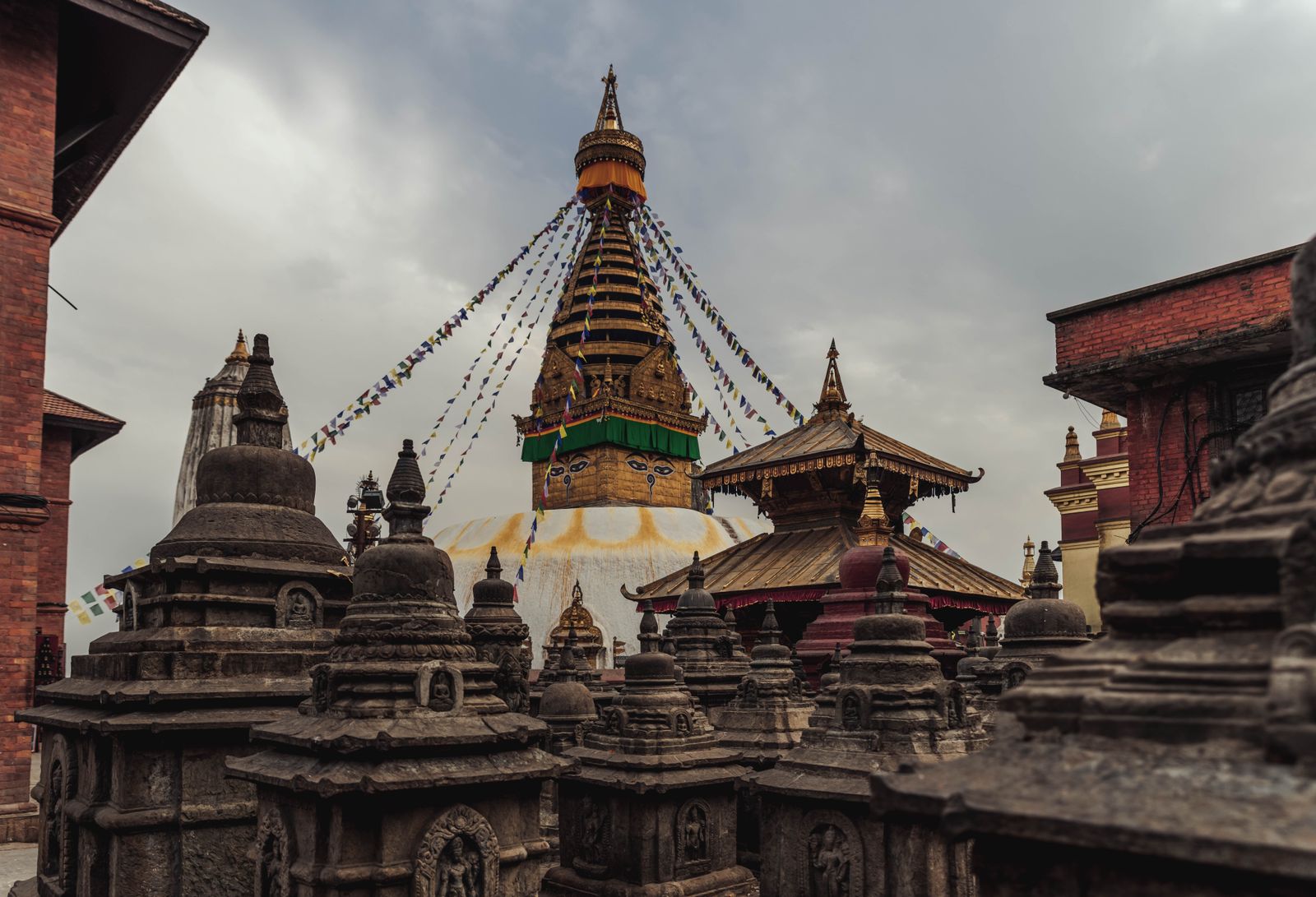
Kathmandu, the capital, is the primary destination for travellers from Ahmedabad. The city is home to seven UNESCO World Heritage sites within the valley, including the Durbar Squares of Kathmandu, Patan and Bhaktapur, the Buddhist stupas of Swayambhunath and Boudhanath, and the Hindu temple complex of Pashupatinath. These sites showcase the rich history and architecture of the Newar kingdoms. The neighbourhood of Thamel is the main tourist area, with shops, eateries and travel agencies. From Kathmandu, you can arrange day trips to nearby towns such as Nagarkot for mountain views or Dhulikhel for a quieter experience. The city is also the starting point for treks in the Annapurna and Everest regions. Allow at least three to four days for the main sights.
Beyond the heritage sites, Kathmandu offers a lively street life, with markets such as Asan Tole and Indra Chowk selling spices, textiles and souvenirs. The Garden of Dreams in Thamel provides a peaceful escape from the city noise. For those interested in art, the Patan Museum and the National Museum in Chhauni are worth visiting. The city's food scene includes Newari cuisine, such as momos, chatamari and yomari, which are distinct from Indian dishes. For a day trip, consider Bhaktapur, which is less crowded and retains a medieval feel. The drive from Kathmandu to Bhaktapur takes about 30 minutes by taxi. Plan your itinerary to include a mix of cultural sites and leisurely exploration.
- Visit the seven UNESCO World Heritage sites in the Kathmandu Valley.
- Explore the historic squares of Patan and Bhaktapur for traditional architecture.
- Take a day trip to Nagarkot for Himalayan views at sunrise.
Money and practical tips
The local currency is the Nepalese rupee (NPR). Indian rupees are accepted in many places in Nepal, but only notes of 100 and 500 denominations are commonly taken; carry small denominations. ATMs are widely available in Kathmandu and other cities. Credit cards are accepted in larger hotels and shops but not in smaller establishments. Carry cash for markets and local transport. Nepal is generally safe for travellers. Dress modestly, especially at religious sites. Tap water is not safe to drink; use bottled or filtered water. Roads in Nepal can be rough and journeys take longer than expected. For domestic flights, book in advance during peak seasons. A travel adapter for the Indian-style plug may be needed.
For communication, local SIM cards are easy to purchase at the airport or in Thamel. Ncell and Nepal Telecom are the main providers. Data plans are affordable and useful for navigation and booking. The time zone in Nepal is 15 minutes ahead of Indian Standard Time, which can cause confusion for flight connections. Always confirm departure times in local time. For health, carry a basic first-aid kit and any personal medications. Altitude sickness is a concern only for treks above 2,500 metres. For general sightseeing in Kathmandu Valley, altitude is not an issue. Check the current travel advisories from the Indian Ministry of External Affairs before departure. Always carry a copy of your passport and visa separately.