Kathmandu from Ahmedabad: where to stay and what to do
A direct guide for travellers from Ahmedabad to Kathmandu. Covers getting there, where to stay, what to see, food and practical tips for Indian passport holders.

Getting there from Ahmedabad
Sardar Vallabhbhai Patel International Airport (AMD) has no direct flight to Tribhuvan International Airport in Kathmandu. You will need to connect through a hub such as Delhi, Mumbai or Kolkata. Total travel time including the stop is roughly four to seven hours, but schedules change. Always check current flight options before booking. The straight-line distance between the two cities is about 1,370 kilometres. Most flights land at Tribhuvan, which is about six kilometres east of central Kathmandu.
From the airport, pre-paid taxis and app-based cabs are available to take you to your accommodation. Negotiate the fare or check the app rate before you set off. The drive to Thamel takes about twenty to thirty minutes, depending on traffic. If you arrive late, pre-book a taxi through your hotel for peace of mind. Keep small denomination Nepali rupees handy for the ride and for tips at the airport.
Where to stay in Kathmandu
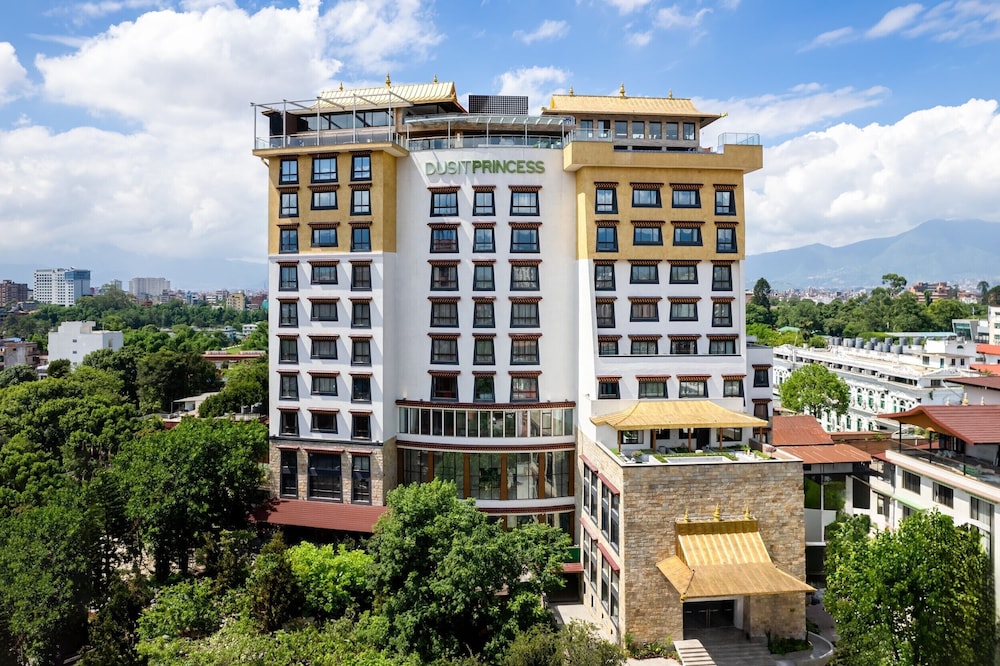
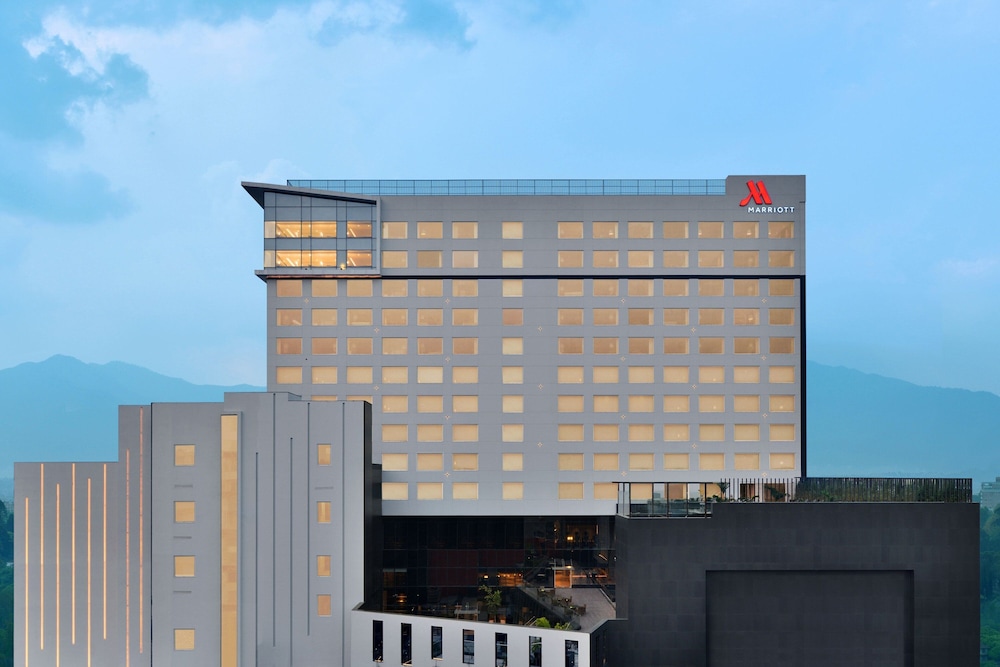
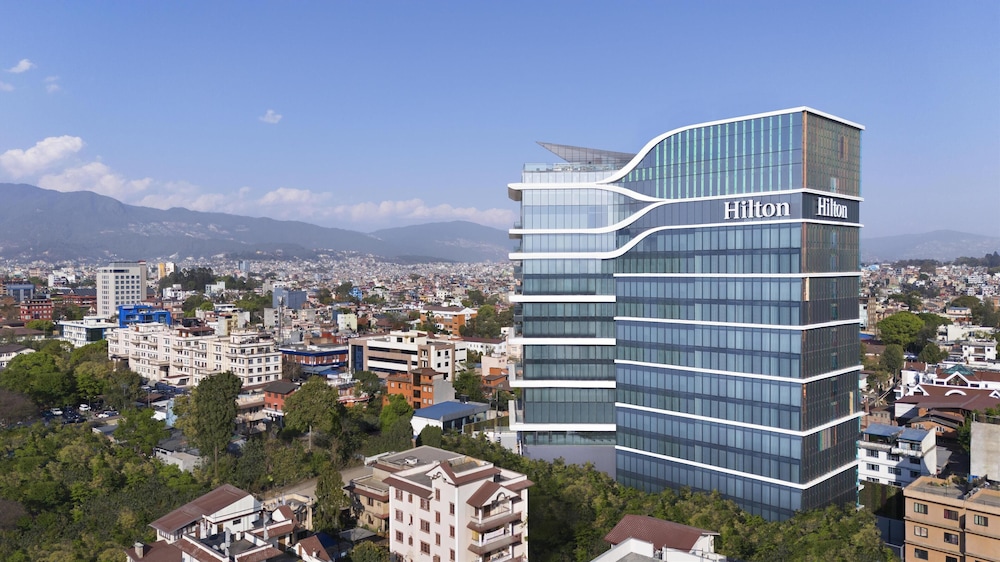
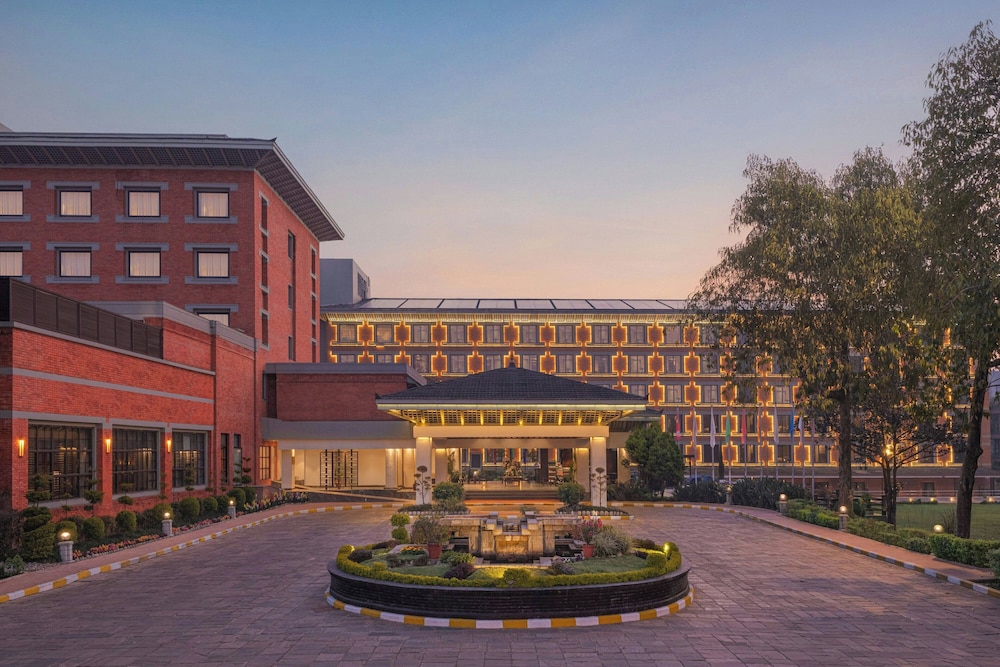
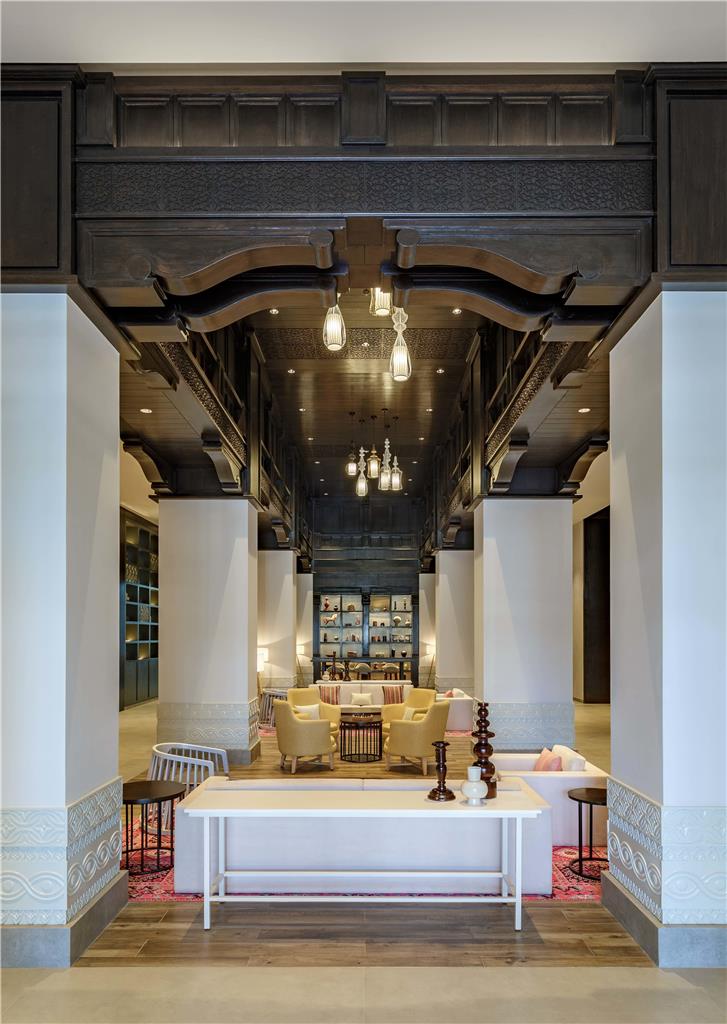
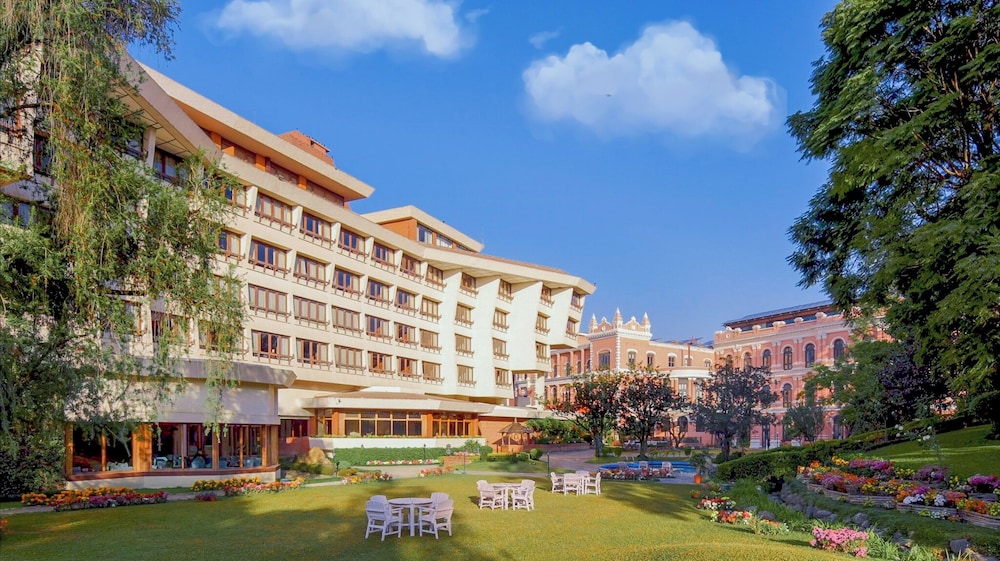
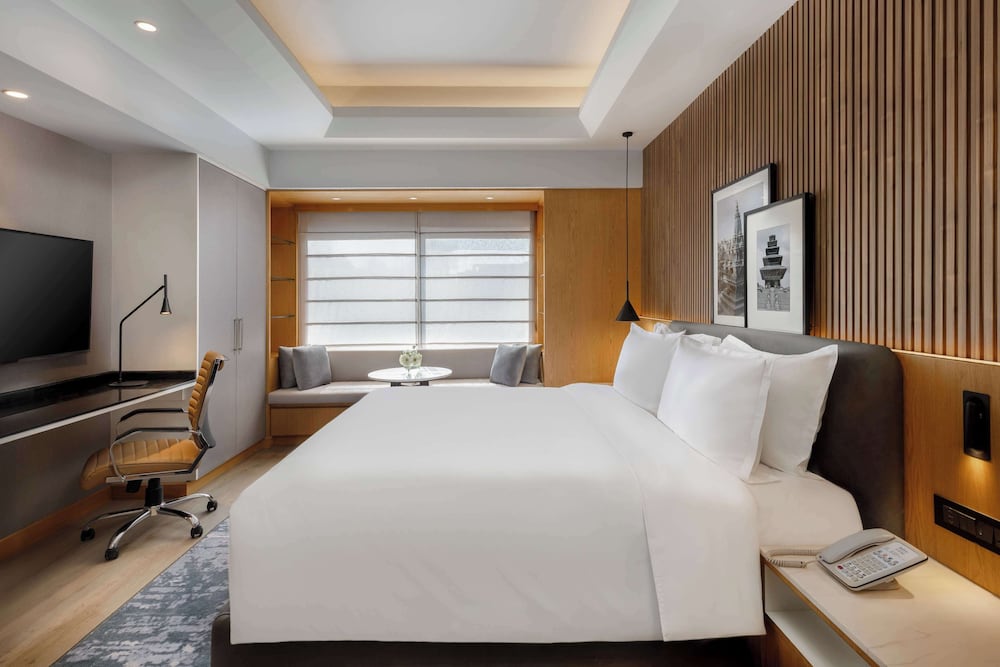
Thamel is the main tourist district, with a dense network of streets lined with hotels, restaurants and travel agencies. It is convenient for first-time visitors and close to many sights. Durbar Marg, the central avenue, is quieter and more upmarket, with larger hotels and easy access to the royal palace area. Boudhanath, around the great stupa, offers a calmer atmosphere with a strong Tibetan Buddhist character.
Patan, across the Bagmati river, is a historic city with its own Durbar Square and a more local feel. Each area has its own character, so choose based on whether you want nightlife, culture or peace. Thamel is noisy but lively, while Boudhanath is serene and good for early morning walks around the stupa. Durbar Marg suits those who prefer wider streets and fewer touts. Patan is ideal if you want to explore a less touristy part of the valley.
- Thamel: busy, walkable, many eating options.
- Durbar Marg: upscale, central, good for business travellers.
- Boudhanath: peaceful, stupa views, Tibetan influence.
- Patan: heritage feel, fewer crowds, artisan workshops.
What to see and do
Kathmandu Valley has seven UNESCO World Heritage sites. The three Durbar squares, Kathmandu, Patan and Bhaktapur, are open-air museums of medieval architecture. Each square contains temples, palaces and courtyards. Boudhanath Stupa is one of the largest spherical stupas in the world. Pashupatinath Temple, on the Bagmati river, is a sacred Hindu site where cremation ceremonies take place along the ghats. Swayambhunath Stupa, also called the Monkey Temple, sits on a hill west of the city and offers views across the valley.
The Garden of Dreams in Thamel is a quiet neo-classical garden for a break from the streets. For a longer excursion, take a day trip to Bhaktapur, about 13 kilometres east, or walk the hills around Nagarkot for Himalayan views on a clear day. Patan Museum, inside the old royal palace, displays fine bronze and stone sculptures. The National Museum at Chhauni has a collection of weapons and artefacts. Allow at least two full days for the main sights, and three if you want to include Bhaktapur and Nagarkot.
Food and eating
Kathmandu's food scene is diverse. Newari cuisine is the local speciality: try samay baji (a platter of beaten rice, buffalo meat, black-eyed peas and pickles), yomari (sweet rice-flour dumplings) and choila (spiced grilled buffalo meat). Momos, steamed or fried dumplings with meat or vegetable fillings, are everywhere and a staple snack. Dal bhat (lentil soup with rice) is the everyday meal across Nepal, often served with vegetable curry and pickles. Tibetan bread, thukpa (noodle soup) and sel roti (a ring-shaped rice doughnut) are also common.
Thamel and the streets around the tourist areas have many eateries, but you will find local food stalls in Patan and Bhaktapur. Most food is vegetarian-friendly, but meat options exist. For a quick breakfast, try a plate of momos or a bowl of thukpa. Lunch is often dal bhat, which is filling and cheap. In the evenings, street stalls sell sel roti and spicy potato chops. Avoid raw salads and tap water. Stick to freshly cooked food from busy places. Bottled water is widely available.
- Samay baji: a traditional Newari platter.
- Momos: steamed or fried dumplings.
- Dal bhat: lentil soup with rice, the daily staple.
- Yomari: sweet rice-flour dumplings, a festival treat.
Getting around and practical tips
Kathmandu's streets are narrow and traffic is heavy. Walking is the best way to explore Thamel and the Durbar squares. For longer trips, use app-based taxis or pre-paid taxis from stands. Rickshaws are available for short distances, but agree on the fare before you get on. Local buses and microbuses connect the main areas but can be crowded. Renting a bicycle is possible in Patan and around Boudhanath, but the traffic makes it challenging for inexperienced riders.
Carry cash in Nepali rupees, as many small shops and restaurants do not accept cards. ATMs are common in Thamel and Durbar Marg. The tap water is not safe to drink; buy bottled water or use a purifier. Dress modestly when visiting temples: remove shoes and cover shoulders and knees. Photography is often restricted inside temple buildings. A scarf or shawl is useful for covering your head at Pashupatinath and other sacred sites. Keep a copy of your passport and visa (if required) separate from the original. A voter ID card is accepted for Indian citizens, but check the latest rules before travel.