Colombo from Ahmedabad: where to stay and what to do
A guide for travellers from Ahmedabad to Colombo, covering flights, accommodation, sights, food and practical tips for Indian passport holders.

Getting there from Ahmedabad
Bandaranaike International Airport is about 35 km north of Colombo. From Ahmedabad, you will need to fly with a stop. Common connecting hubs include Chennai, Mumbai or Bangalore. The total journey takes roughly four to seven hours, depending on the layover. Check current schedules for the most convenient connection. Indian passport holders must obtain an Electronic Travel Authorisation or a visa before departure. Rules have changed several times in recent years. Always verify the latest requirements on the Sri Lanka Department of Immigration and Emigration website. Carry a printed copy of your approval letter.
Book a morning flight from AMD to allow a same-day connection to Colombo. This gives you time to clear immigration and reach your accommodation by evening. If you arrive late, consider staying in Negombo near the airport for the first night. The drive from the airport to central Colombo takes about an hour depending on traffic.
Areas to stay
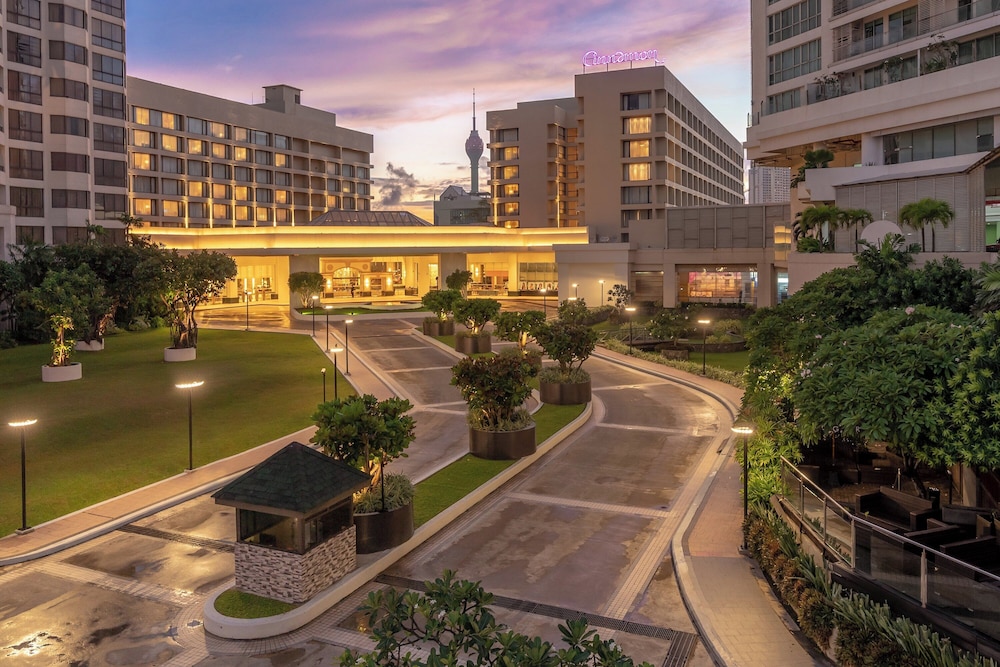
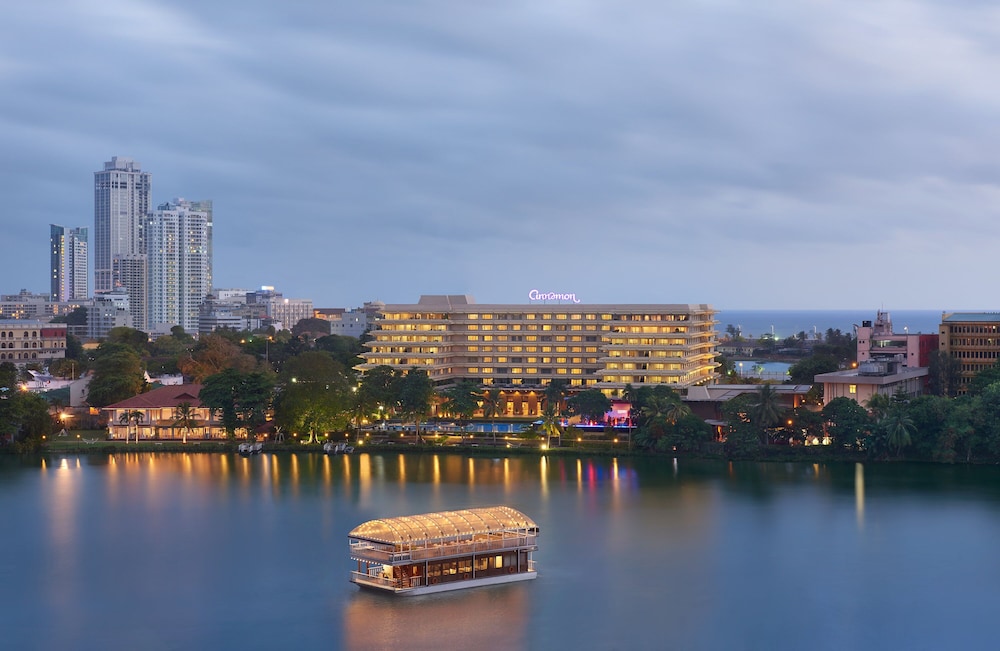
Colombo Fort is the historic core, close to colonial buildings, the port and Galle Face Green. It is convenient for sightseeing but can be busy during the day. Kollupitiya, south of Fort, offers a mix of mid-range and upscale options near the coast and shopping districts. Negombo, close to the airport, is a practical choice for a first or last night. Each area has its own character. Fort is walkable for landmarks. Kollupitiya has a lively restaurant scene. Negombo has a beach and a relaxed vibe.
Consider your itinerary: if you plan to head south to Galle soon after arrival, staying near the airport may save time. For a longer stay in Colombo, Kollupitiya provides easy access to the city's dining and entertainment. Fort suits history enthusiasts who want to explore on foot. Book accommodation in advance during peak season from December to March.
- Colombo Fort: colonial architecture, Galle Face Green, Pettah market.
- Kollupitiya: dining, shopping, proximity to the coast.
- Negombo: beach, airport access, fishing town atmosphere.
What to do in Colombo
Galle Face Green is a seafront promenade where locals gather in the evening. The colonial buildings of Fort include the Old Parliament, the Dutch Hospital and the Clock Tower. The Gangaramaya Temple, a mix of Sri Lankan, Thai, Indian and Chinese styles, is a major Buddhist site. The National Museum houses artefacts from the island's history. Take a walk through Pettah, the busy bazaar area, for a taste of everyday commerce. The Viharamahadevi Park, named after a queen, offers a green respite.
For a view of the city, visit the Colombo Lotus Tower, which has an observation deck. The road south from Fort towards Galle passes through coastal suburbs with beaches and seafood restaurants. You can also take a train ride along the coast for a scenic perspective of the shoreline. Many visitors combine Colombo with a day trip to the ancient city of Anuradhapura or the hill country of Kandy, both accessible by road or rail.
Food in Colombo
Sri Lankan cuisine is known for its use of coconut, spices and rice. Kottu roti, a chopped flatbread stir-fried with vegetables and meat, is a popular street dish. Rice and curry, served with multiple small side dishes, is the staple meal. String hoppers (idiyappam) and hoppers (appa), bowl-shaped pancakes, are common breakfast items. Seafood is abundant along the coast. Fish ambul thiyal, a sour fish curry, is a signature dish. For sweets, try wattalappam, a steamed coconut custard.
Colombo has a wide range of eateries, from street stalls to formal dining. Vegetarians will find many options, as Indian-style vegetarian food is widely available. The food scene reflects the island's multicultural history, with influences from South Indian, Malay, Dutch and Portuguese cooking. Try a variety of sambols, especially the spicy coconut sambol, which accompanies most meals. Street food is generally safe from stalls with high turnover.
- Kottu roti: chopped roti stir-fried with vegetables, egg or meat.
- Rice and curry: the everyday meal with multiple accompaniments.
- Hoppers: bowl-shaped pancakes, often eaten with sambol.
- Fish ambul thiyal: sour fish curry, a coastal speciality.
Getting around and practical tips
Colombo has a public bus network and a railway line that runs along the coast. Tuk-tuks (three-wheelers) are the most common way to get around short distances. Agree on the fare before starting the journey or insist on the meter. Ride-hailing apps are widely used and more reliable for fixed pricing. The currency is the Sri Lankan rupee. Credit cards are accepted in hotels and larger restaurants, but cash is needed for markets and tuk-tuks.
English is widely understood in tourist areas. Tap water is not safe to drink; use bottled water. Dress modestly when visiting temples. The climate is tropical: pack light cotton clothes and a rain jacket if travelling during the monsoon. Sunscreen and insect repellent are essential. Download a ride-hailing app before arrival for easy tuk-tuk booking and fare transparency. Check your visa validity and keep a copy of your passport and visa separately.