Dubai from Ahmedabad: where to stay and what to do
A three-hour flight to the Gulf’s biggest city — here’s how to plan a short trip.
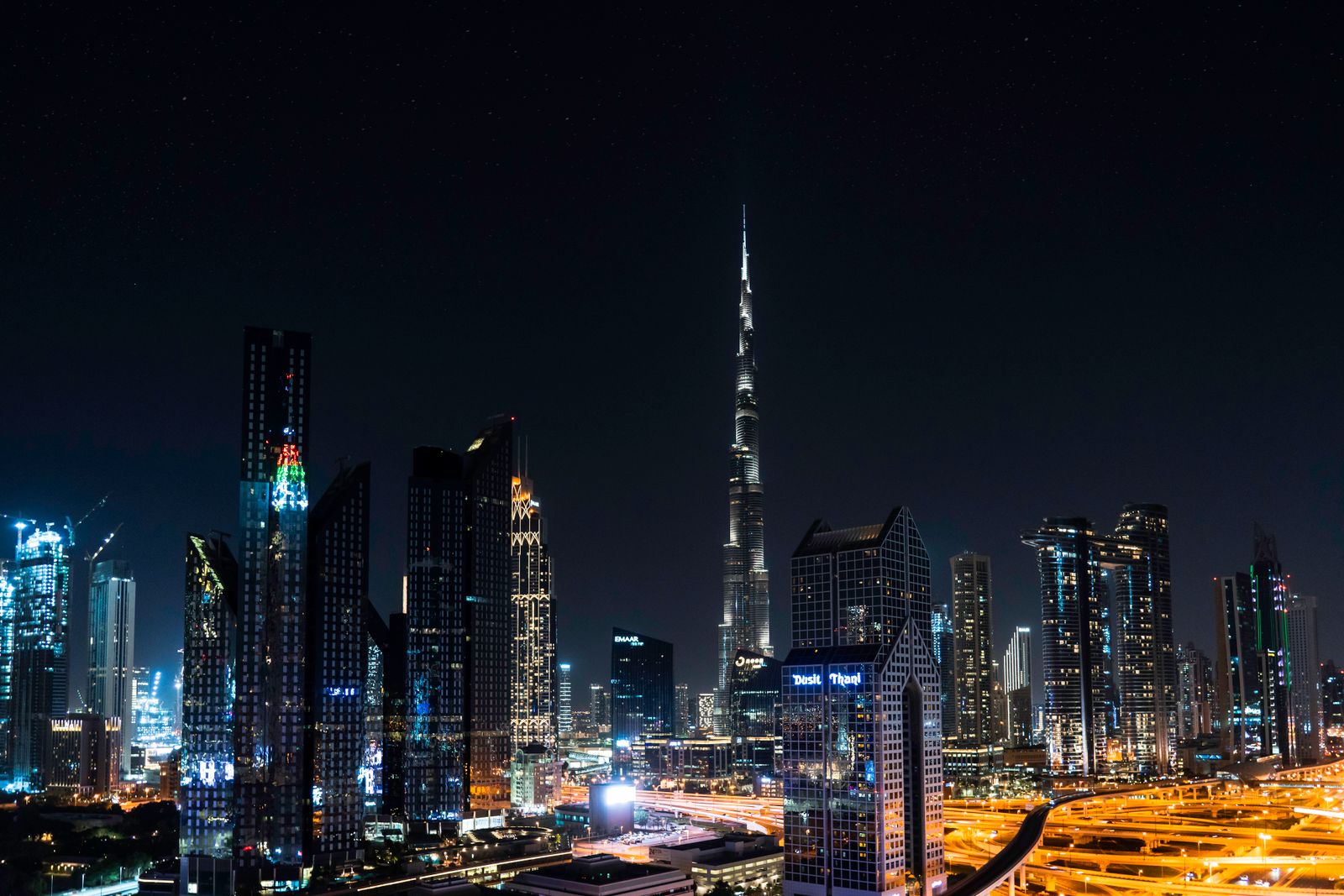
Dubai combines record-breaking architecture with a working old port, desert landscapes and a huge South Asian community. For travellers from Ahmedabad it is close, well connected and easy for vegetarian food.
Where to stay
- Downtown Dubai — Burj Khalifa, Dubai Mall and the fountains; best for a first visit.
- Bur Dubai & Deira — the old creek, souks and Indian restaurants, with good value.
- Dubai Marina & JBR — beach, waterfront walks and high-rise hotels.
- Business Bay — newer towers near Downtown, good for business trips.
Top things to do
- Ride an abra across Dubai Creek and walk the gold and spice souks.
- Go up the Burj Khalifa at sunset.
- Take a desert safari with dune driving and a camp dinner.
- Visit the Al Fahidi historic district and the Museum of the Future.
Getting around
Dubai Metro’s Red and Green lines cover the airport, Deira, Bur Dubai, Downtown and the Marina. Taxis are metered and plentiful; buy a Nol card for metro and buses.
A four-day plan
- Day 1 — Old Dubai: abra across the creek, Gold and Spice Souks, Al Fahidi historic district and the Dubai Museum area; dinner in Bur Dubai.
- Day 2 — Downtown: Dubai Mall, Burj Khalifa at sunset and the Dubai Fountain show.
- Day 3 — Desert: afternoon safari with dune driving, sunset and a camp dinner.
- Day 4 — Coast: Jumeirah Beach, Madinat Jumeirah souk and the Marina walk; fly home at night.
Choosing your neighbourhood
Your base shapes your trip. Downtown is central and photogenic but pricier; Bur Dubai and Deira are older, busier and much cheaper, with excellent vegetarian food and metro access; Dubai Marina and JBR offer beach life and evening promenades but are 30–40 minutes from the old city. Business travellers often choose Business Bay or the DIFC area for meetings.

Getting around Dubai
The driverless Dubai Metro is clean, cheap and fast. The Red Line runs from the airport through Deira, Bur Dubai and Downtown to the Marina and Expo City; the Green Line loops around the creek. Buy a Nol card at any station — it also works on buses, trams and water buses. Taxis are metered and reliable, and ride-hailing apps operate widely. Abras across the creek cost almost nothing and are the best way to see old Dubai.
Shopping
- Gold Souk, Deira — check daily gold rates and bargain on making charges.
- Dubai Mall and Mall of the Emirates — global brands, aquariums and an indoor ski slope.
- Meena Bazaar, Bur Dubai — textiles, saris and electronics popular with Indian visitors.
- Global Village (winter only) — pavilions from dozens of countries, including India.
When to go
November to March brings warm days around 24–30°C and cool evenings — ideal for the desert and beaches. Dubai Shopping Festival runs in winter with big discounts. From June to September, temperatures exceed 40°C and humidity is high, but hotel rates fall sharply and indoor attractions stay comfortable.
Budget tips
- Stay in Bur Dubai or Deira and use the metro.
- Eat at Indian vegetarian restaurants — excellent and affordable.
- Visit free sights: the fountain show, Al Fahidi, the creek and public beaches.
- Choose hotels with free cancellation in case flight times change.
Dubai is close enough for a long weekend from Ahmedabad and varied enough for a week. Book your hotel on IMPT at the same price as elsewhere, and every stay funds verified climate action.
Getting Around Ahmedabad
Ahmedabad has a growing metro system with two lines. The Blue Line connects Vastral Gam to Thaltej. The Red Line runs from Motera Stadium to APMC. An extension towards Gandhinagar and GIFT City is opening in phases. Check the current network map before you travel. Metro trains are clean, air-conditioned, and frequent. They are a good option for avoiding traffic. Auto-rickshaws and app-based cabs are widely available. Negotiate the fare before starting a ride in an auto. BRTS buses run on dedicated lanes and are efficient for longer routes. AMTS buses cover most areas but can be crowded. Walking is best in the walled city's pols, where narrow lanes reveal carved havelis and chabutaras. The Sabarmati Riverfront promenades are pleasant for evening strolls, connecting Ellisbridge to Sardar Bridge via the Atal Bridge footbridge.
For longer journeys, consider hiring a car with a driver for day trips to Modhera or Patan. The metro is expanding, so check the latest routes. Bicycles are not common, but some areas are walkable. Plan your travel around peak hours to avoid congestion. The walled city is best explored on foot, as vehicles struggle in the narrow pols. Use the riverfront as a landmark for orientation. Always confirm the fare with auto drivers before starting. App-based cabs offer fixed prices and are reliable for airport transfers. The BRTS network is useful for crossing the city quickly. For a seamless experience, combine metro and auto rides.
Food and Eating Customs
Ahmedabad is largely vegetarian, reflecting Gujarati traditions. A Gujarati thali includes dal, rice, vegetables, roti, and sweets like shrikhand. Street food is popular: dhokla, khaman, fafda with jalebi, and khandvi are common. The night food market near the old city centre offers a variety of snacks after 9 pm. Law Garden has evening stalls selling local specialties. Undhiyu, a winter dish made with mixed vegetables and spices, is traditionally eaten during Uttarayan. Breakfast often features thepla, a spiced flatbread, or khaman. Meals are typically eaten with the right hand, using bread to scoop food. Tap water is not always safe; stick to bottled water. Lunch is the main meal, while dinner is lighter. Avoid eating from stalls that look unhygienic; check cleanliness before ordering.
Gujarati cuisine is known for its balance of sweet, salty, and spicy flavours. Many dishes use lentils, chickpea flour, and vegetables. Farsan, or savoury snacks, are common at tea time. During festivals, special sweets like churma and lapsi are prepared. The city has many food streets where you can sample a variety of dishes. For a complete experience, try a thali at a traditional restaurant. Eating with your right hand is customary, and it is polite to finish your plate. The food is generally mild, but you can ask for extra spice. Avoid dairy if you are lactose intolerant, as many dishes use yogurt or ghee. Plan your meals around local timings: lunch between 12 and 2 pm, dinner after 7 pm.


