London from Ahmedabad: stay, see, eat
A calm guide for Ahmedabad travellers to London. Covers the flight from AMD, where to base yourself, what to see, what to eat, and how to get around.

Getting there from AMD
Sardar Vallabhbhai Patel International Airport (AMD) has limited or seasonal non-stop flights to London, with a typical flight time of about 9 hours 30 minutes. Most travellers connect via a Gulf or European hub. Always check current schedules, as routes and frequencies change. The straight-line distance is about 6,840 kilometres. Plan for a full day of travel, including check-in, security and the flight itself.
London has several airports. Heathrow (LHR) is the largest and best connected to the city centre. Gatwick (LGW) is south of London and serves many international routes. Stansted, Luton and London City also handle flights, mostly from Europe. From any airport, use the express trains, the Underground, or a coach to reach central London. Check the current transport options before you land. Each airport has its own transfer time and cost, so factor that into your plans.
- Book flights well in advance, especially for summer and December.
- Allow at least 3 hours at AMD for international check-in and security.
- Compare arrival airports: Heathrow is closest to central London.
- Check if your visa allows transit through the connecting country.
Where to stay
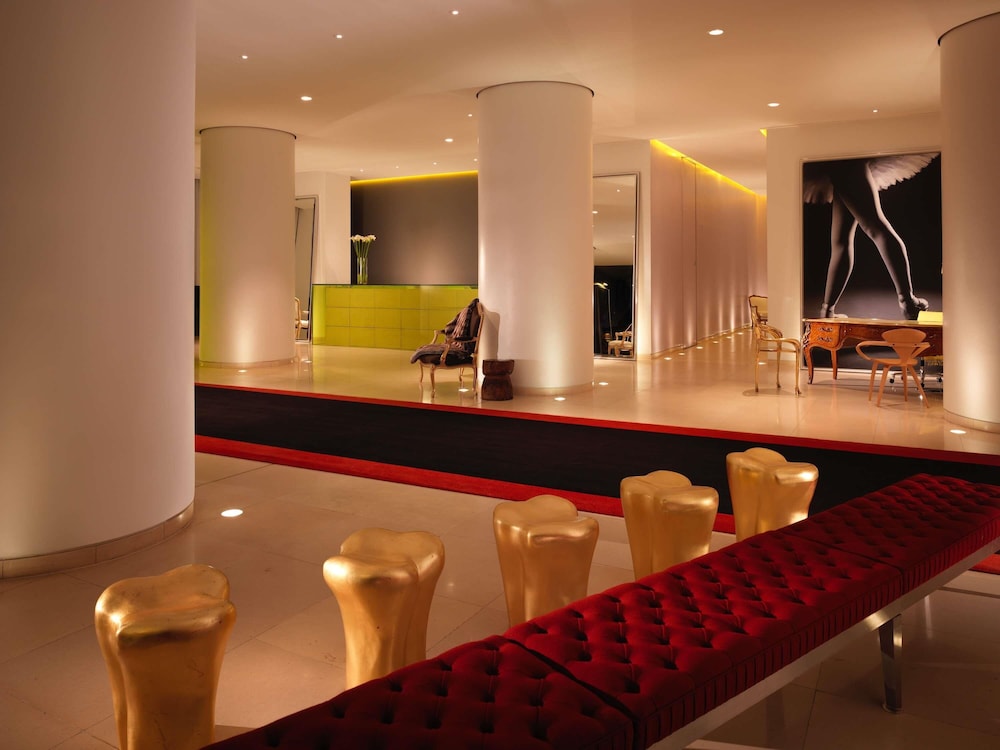
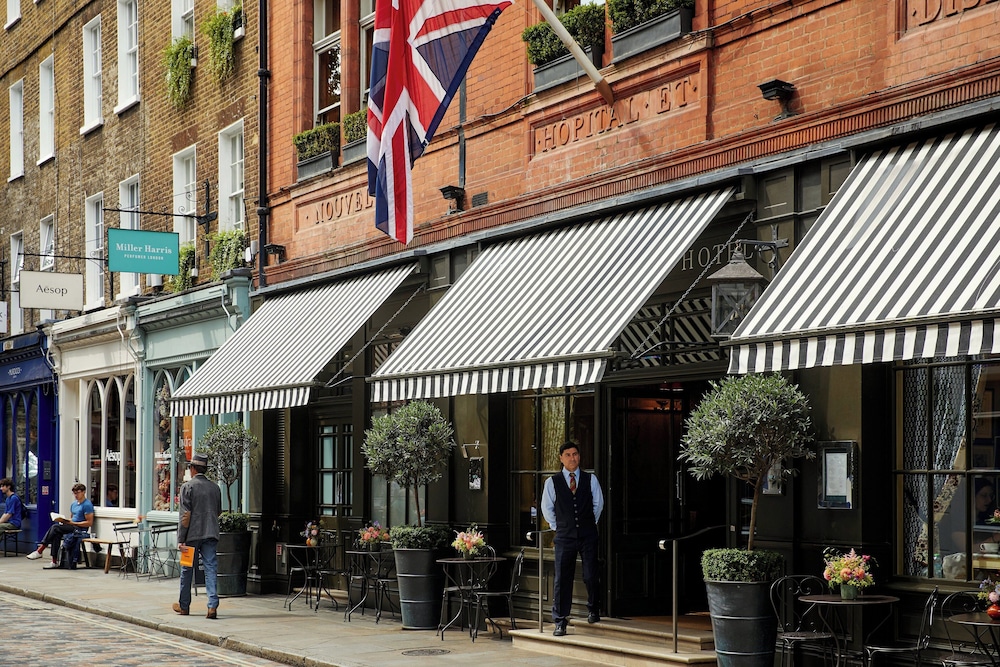
Westminster puts you near the Houses of Parliament, Big Ben and the London Eye. It is central, well connected by tube, and busy with tourists. Covent Garden is lively, with theatres, street performers and good restaurants. It suits first-time visitors who want to walk to many sights. Both areas are safe and have plenty of hotels, but they can be noisy at night.
Kensington is quieter and more residential, with museums like the Natural History Museum and the Victoria and Albert Museum. King's Cross is a transport hub with the Eurostar and many tube lines; it is practical for day trips. Staying near Heathrow is an option if you have an early departure, but it is far from the centre. Choose based on your itinerary and whether you prefer calm or convenience.
- Westminster: central, near Parliament and the river.
- Covent Garden: theatre district, busy but walkable.
- Kensington: calm, family-friendly, close to museums.
- King's Cross: excellent transport links, good for rail travel.
- Heathrow: convenient for early flights, but not central.
What to do
Start with the classic sights: the Tower of London, Tower Bridge, the British Museum and the National Gallery. All are free to enter except the Tower. Walk along the South Bank from Westminster to the Tate Modern for river views. Hyde Park and Regent's Park offer green space in the centre. For a quieter afternoon, visit the Churchill War Rooms or the Wallace Collection.
For theatre, book tickets in advance for the West End. The National Theatre and the Globe also stage plays. London has large South Asian communities, especially in areas like Southall, Wembley and Brick Lane. You will find temples, mosques, and shops selling spices and fabrics. Visit the Nehru Centre at the Indian High Commission for cultural events. Many museums have late openings on certain evenings, which can be less crowded.
Food in London
London's food scene is global. For a taste of home, South Asian restaurants and sweet shops are common in areas like Southall, Tooting and Brick Lane. You can find Gujarati thalis, dhokla, thepla and khandvi, though the style may differ from Ahmedabad. Many places are vegetarian-friendly, but always check. The city also has a growing number of Indian street-food stalls and cafes.
Beyond South Asian food, try a full English breakfast, fish and chips, or a Sunday roast. Borough Market and Camden Market offer street food from many countries. For dessert, look for British puddings or Indian sweets. London also has excellent coffee shops and bakeries. Avoid eating in the most touristy spots near major sights; walk a few streets away for better value. Many pubs serve hearty meals, and some have vegetarian options.
Getting around
The Underground (the Tube) is the fastest way to cross central London. Buy an Oyster card or use contactless payment on your phone or bank card; the fare is capped daily. Buses are slower but cheaper and give you a view of the city. The red double-deckers are iconic and run day and night. The Docklands Light Railway and overground trains extend the network to more areas.
Taxis are expensive, but black cabs are metered and reliable. App-based ride services are also available, but they can be costly in traffic. For short trips, walking is often the best option, especially in the centre. Cycling is possible with the Santander Cycles hire scheme, but traffic can be heavy. Always check the current fares and service changes. The Tube closes around midnight, so plan late journeys using night buses or taxis.