Ahmedabad to Vietnam: a traveller's guide
A practical guide for travellers from Ahmedabad to Vietnam. Covers flights from AMD, entry rules, when to go, key cities, money and booking a stay.
Getting there from Ahmedabad
Sardar Vallabhbhai Patel International Airport (AMD) has no direct flights to Vietnam. Most routes involve a single stop at a hub in Southeast Asia or the Middle East. Common transit points include Bangkok, Kuala Lumpur, Singapore and Dubai. The total journey time from Ahmedabad to Hanoi is roughly eight to twelve hours, depending on the layover duration. Check current schedules and transit visa requirements for the stopover country.
Flights from AMD to Ho Chi Minh City or Da Nang also require one stop. Airlines often code-share, so your ticket may show a different carrier for each leg. Book early for better options, especially during peak travel months. Allow at least two to three hours for the connection. The airport at Ahmedabad is modern and well-connected to the city by taxi and app-based cabs.
- Common hubs: Bangkok, Kuala Lumpur, Singapore, Dubai.
- Check transit visa rules for the stopover country.
- Book early for better flight options and timings.
Entry rules for Indian passport holders
Indian passport holders can usually apply for a Vietnam e-visa online. The e-visa allows a single entry for up to thirty days. The official Vietnam immigration portal is the only source to use. Apply at least a week before travel. The process requires a digital photograph, passport scan and a valid email address. The fee is paid online. Check the current rules, as visa policies change periodically.
You can also get a visa on arrival if you have a pre-approval letter from a travel agency. This option is mainly for those arriving by air. Land border crossings may have different rules. Always carry a printed copy of your visa approval and passport photos. The passport must be valid for at least six months from the date of entry. Confirm the latest requirements on the official Vietnam immigration website before booking.
When to go
Vietnam has a varied climate. The best time for most travellers is from November to April. During these months, the north is cool and dry, with temperatures ranging from fifteen to twenty-five degrees Celsius. The central region is warm and sunny. The south is hot but less humid than in the rainy season. Avoid the peak summer months of June to August in the north, when heavy rain can disrupt travel.
The rainy season in the south runs from May to November. The north sees its heaviest rain from July to September. If you plan to visit multiple regions, consider the weather patterns for each. The Tet holiday (Vietnamese New Year) in late January or early February is a busy travel period. Many businesses close for a week. Check the exact dates each year.
- November to April is the best time for most regions.
- Avoid the rainy season in the north (July–September).
- Tet holiday (January/February) is busy; plan ahead.
Where to go: Hanoi
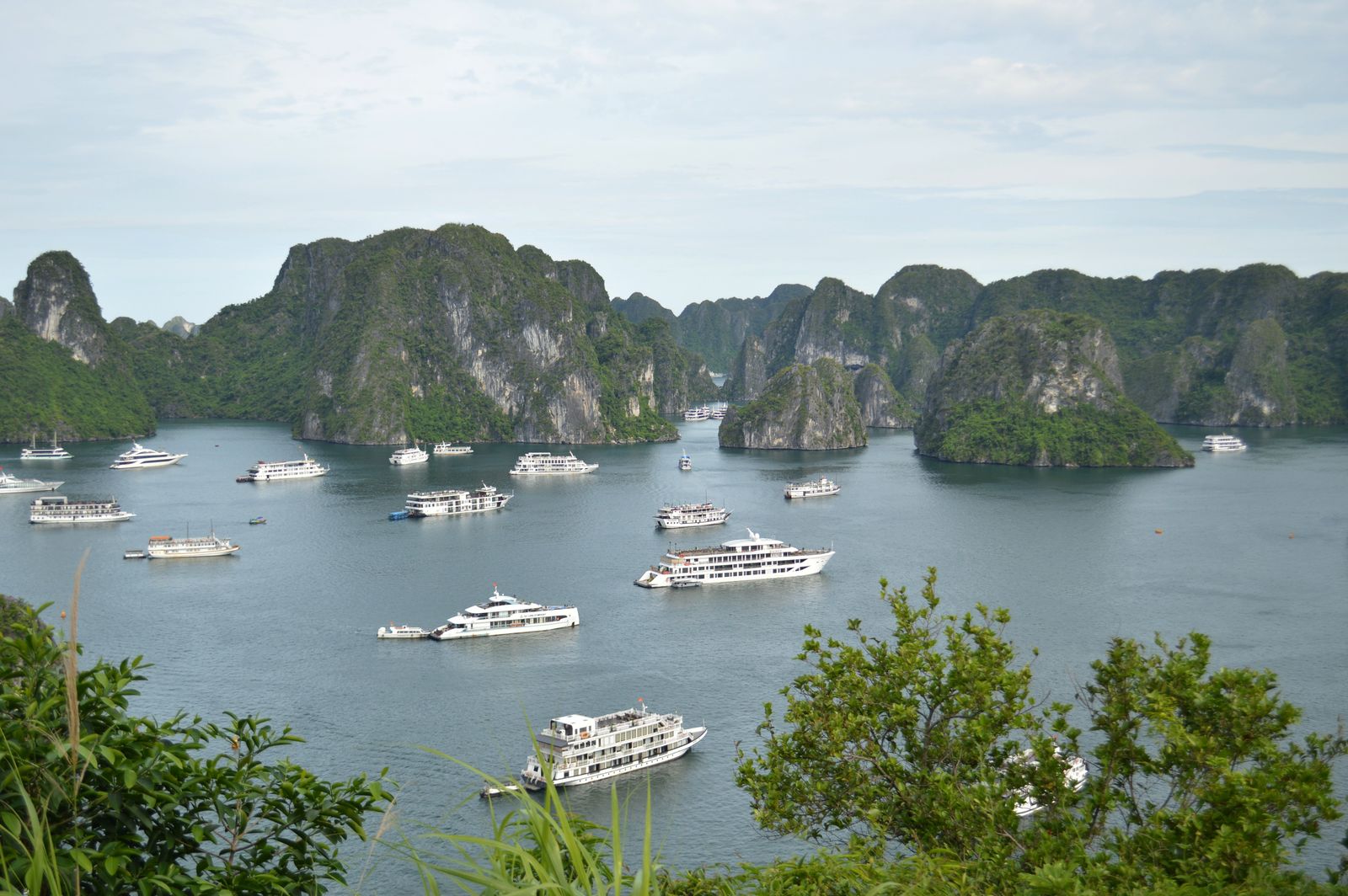
Hanoi, the capital, is in northern Vietnam. The Old Quarter is a maze of narrow streets with shops, cafes and street food. Key sights include Hoan Kiem Lake, the Temple of Literature and the Ho Chi Minh Mausoleum. The city is a good base for a day trip to Ha Long Bay, a UNESCO World Heritage site. The bay is about three to four hours by road from Hanoi. You can also take a cruise on the bay.
Hanoi has a humid subtropical climate. Winters are cool and dry; summers are hot and humid. The city is walkable in the Old Quarter, but taxis and ride-hailing apps are widely available. Street food is a highlight, with dishes such as pho, banh mi and bun cha. Bargaining is common in markets. The city has a mix of French colonial and traditional Vietnamese architecture. Allow at least three to four days to explore.
Money and practical tips
The currency is the Vietnamese dong (VND). Cash is widely used, especially in markets and small shops. Credit cards are accepted in larger hotels and restaurants in cities. ATMs are common in urban areas. Notify your bank before travel. Carry small denominations for street food and taxis. Exchange money at banks or official exchange counters for better rates.
Vietnam is generally safe for travellers. Petty theft can occur in crowded areas, so keep valuables secure. Traffic can be chaotic; cross streets carefully and at a steady pace. Learn a few basic Vietnamese phrases, such as 'xin chào' (hello) and 'cảm ơn' (thank you). Download offline maps and translation apps. The local time is UTC+7, one and a half hours ahead of Indian Standard Time.
- Carry cash for small purchases; use ATMs for larger amounts.
- Keep valuables secure in crowded areas.
- Learn basic Vietnamese phrases for easier communication.
Booking a stay
Hanoi offers a wide range of accommodation, from budget hostels in the Old Quarter to mid-range hotels and luxury resorts. The Old Quarter is the most convenient area for first-time visitors. It is close to major attractions, restaurants and transport links. Book in advance during peak season (November to April) and around Tet. Check cancellation policies, as plans can change.
In Ho Chi Minh City, District 1 is the central area for tourists. Da Nang has beachfront resorts and hotels along My Khe Beach. Hoi An, a UNESCO-listed ancient town, offers boutique hotels and homestays. For any city, read recent reviews on trusted platforms. Compare locations based on your itinerary. Many hotels offer airport transfers; confirm availability when booking.