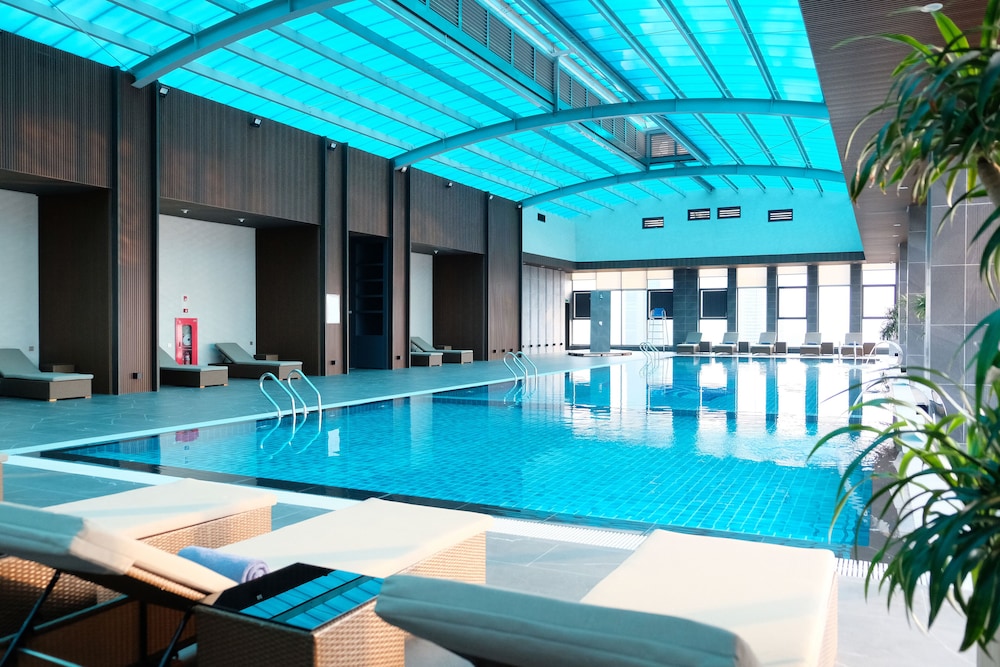
Hanoi from Ahmedabad: where to stay and what to do
A practical guide for travellers from Ahmedabad visiting Hanoi, Vietnam. Covers getting there, where to stay, what to see, food and entry rules.
Getting to Hanoi from Ahmedabad
From Sardar Vallabhbhai Patel International Airport (AMD), you fly to Noi Bai International Airport in Hanoi with one stop. Common connecting hubs include Bangkok, Kuala Lumpur or Singapore. The total journey takes roughly 8 to 12 hours, depending on the layover. Check current schedules and airlines before booking. Direct flights are not available, so plan for a layover. The distance is about 3,420 km in a straight line. Carry a book or download entertainment for the long flight.
Indian passport holders can usually apply for a Vietnam e-visa online. Visit the official Vietnam immigration portal to confirm the latest rules and processing times. Apply well in advance of your departure. The visa allows a single entry for up to 30 days. Always verify the requirements before you travel. Keep a printed copy of the e-visa and your passport details handy. Immigration procedures at Noi Bai are straightforward, but queues can be long during peak hours. Have your hotel address ready for the arrival form.
Where to stay in Hanoi
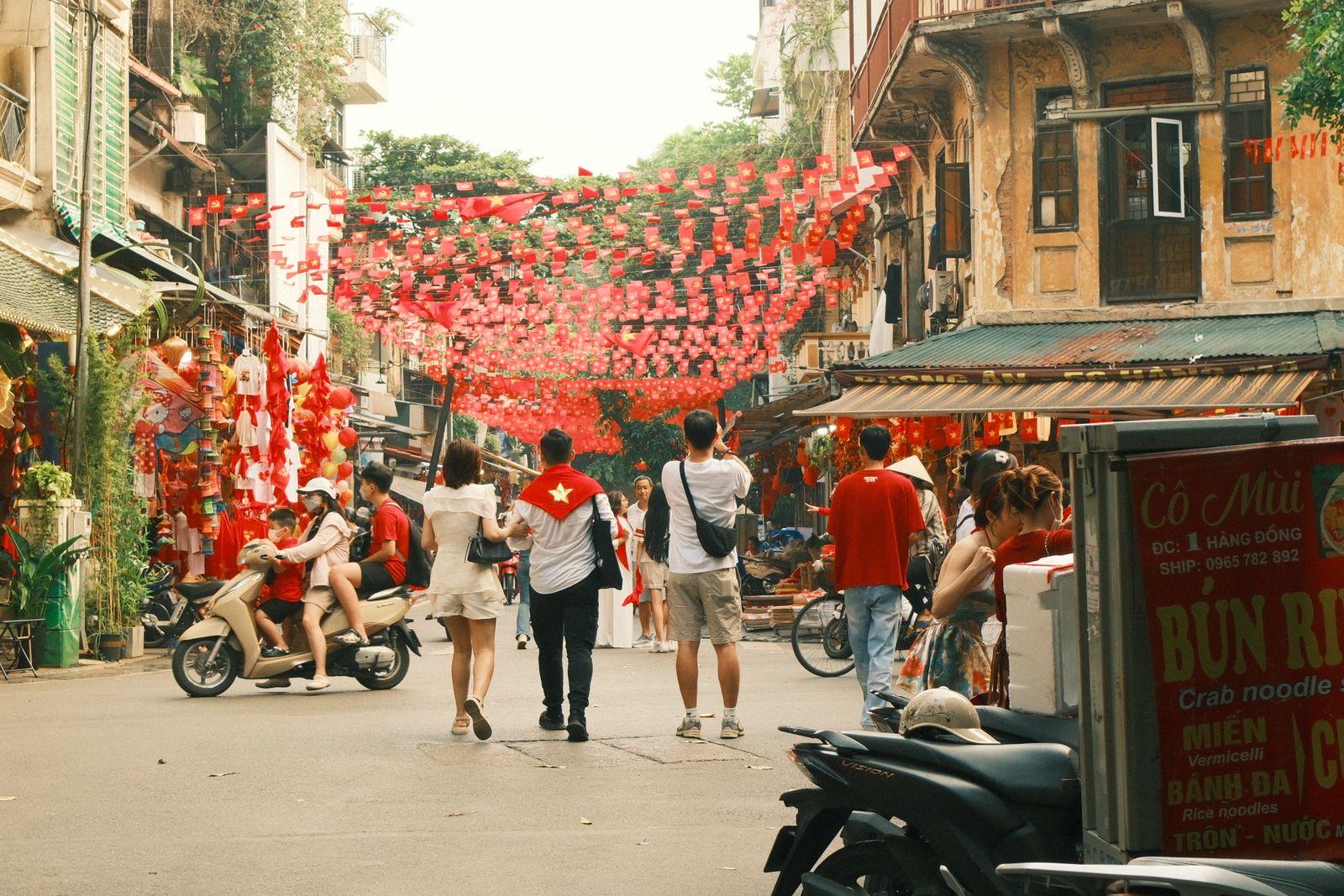
The Old Quarter is the most popular area for first-time visitors. It is a dense network of narrow streets, each historically named after the trade once practised there. You are close to Hoan Kiem Lake, street food stalls and many attractions. Accommodation ranges from budget hostels to mid-range hotels. The area is lively day and night, with shops and cafes open late. Expect some noise from traffic and street life, but the convenience is unmatched. Many walking tours start from this area.
Hoan Kiem district surrounds the lake of the same name. It is quieter than the Old Quarter but still central. You find French colonial buildings, museums and upmarket hotels. West Lake (Tay Ho) is favoured by expats and families. It offers larger hotels, lakeside walks and a relaxed atmosphere. Ba Dinh district is the political centre, home to the Ho Chi Minh Mausoleum and government buildings. Each area has its own character, so choose based on your priorities: nightlife, history, or peace and quiet.
What to do in Hanoi
Start at Hoan Kiem Lake, the heart of the city. Cross the red wooden bridge to Ngoc Son Temple on an island. Walk through the Old Quarter to see ancient houses, temples and markets. Visit the Temple of Literature, Vietnam's first university, dating from 1070. The complex has peaceful courtyards and stone stelae. The lake is especially pleasant in the early morning when locals exercise. In the evening, the area around the lake is closed to traffic, making it a pedestrian-friendly space.
The Ho Chi Minh Mausoleum in Ba Dinh Square is a key landmark. The One Pillar Pagoda nearby is a small but iconic temple. The Vietnam Museum of Ethnology offers insight into the country's 54 ethnic groups. For a different perspective, take a street food walking tour or a cyclo ride through the French Quarter. A day trip to Ha Long Bay is a common addition. The limestone karsts and emerald waters are a UNESCO World Heritage site. Book a tour that includes transport and a boat cruise.
- Visit the Temple of Literature for history and calm gardens.
- See the Ho Chi Minh Mausoleum (check opening days before going).
- Explore the Old Quarter on foot or by cyclo.
- Take a day trip to Ha Long Bay for limestone karsts and emerald water.
Food in Hanoi
Hanoi's food is fresh, balanced and aromatic. Pho is the signature dish: flat rice noodles in a clear beef or chicken broth, topped with herbs and lime. Bun cha is grilled pork patties served with vermicelli noodles and a tangy dipping sauce. Cha ca is turmeric-marinated fish cooked at the table with dill and peanuts. These dishes are widely available at street stalls and small eateries. Portions are generous, and prices are reasonable. You can eat well without spending much.
For breakfast, try banh mi, a crusty baguette filled with meat, pickled vegetables and coriander. Egg coffee is a Hanoi speciality: strong Vietnamese coffee topped with a frothy egg yolk and condensed milk mixture. Desserts include che, a sweet soup with beans, coconut milk and tapioca. Street stalls and small eateries serve these dishes at any time of day. Vegetarians will find many options, such as pho chay (vegetarian pho) and fried spring rolls. Ask for 'chay' to indicate vegetarian.
Getting around and practical tips
Hanoi's Old Quarter is best explored on foot. For longer distances, use ride-hailing apps or taxis. Motorbike taxis are common and quick. The city has a growing bus network, but routes can be confusing for visitors. Avoid renting a motorbike unless you are experienced in chaotic traffic. Traffic can be heavy, and crossing the road requires patience and steady pace. Use pedestrian crossings where available, but do not assume vehicles will stop. Always look both ways.
Carry cash in Vietnamese dong, as many small vendors do not accept cards. Tap water is not safe to drink; buy bottled water. The weather in October to December and March to April is pleasant, with warm days and cool evenings. Pack light layers and comfortable walking shoes. Learn a few basic Vietnamese phrases: xin chao (hello) and cam on (thank you). These go a long way. Keep a copy of your passport and visa in a safe place. Emergency numbers are available, but check the current local numbers.
- Use ride-hailing apps for safe and metered transport.
- Carry small notes for street food and market purchases.
- Drink bottled water only. Avoid ice from unknown sources.
- Dress modestly when visiting temples and mausoleums.