Staying in Kalupur & Relief Road, Ahmedabad
Kalupur and Relief Road form the station quarter of Ahmedabad's walled city. A dense, busy area of markets, budget hotels, and easy rail access.

What the area is like
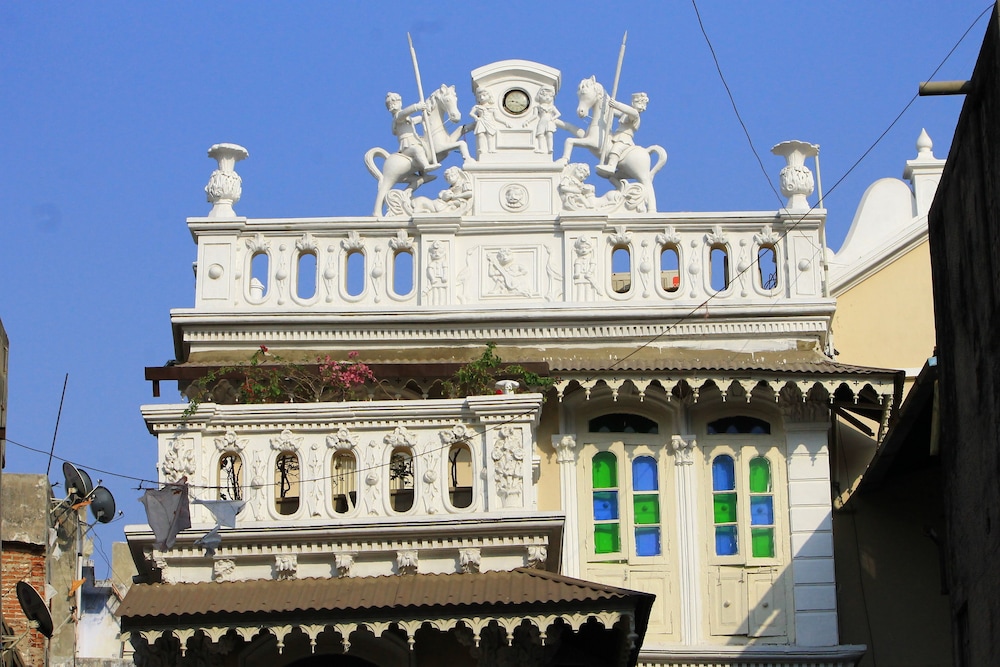
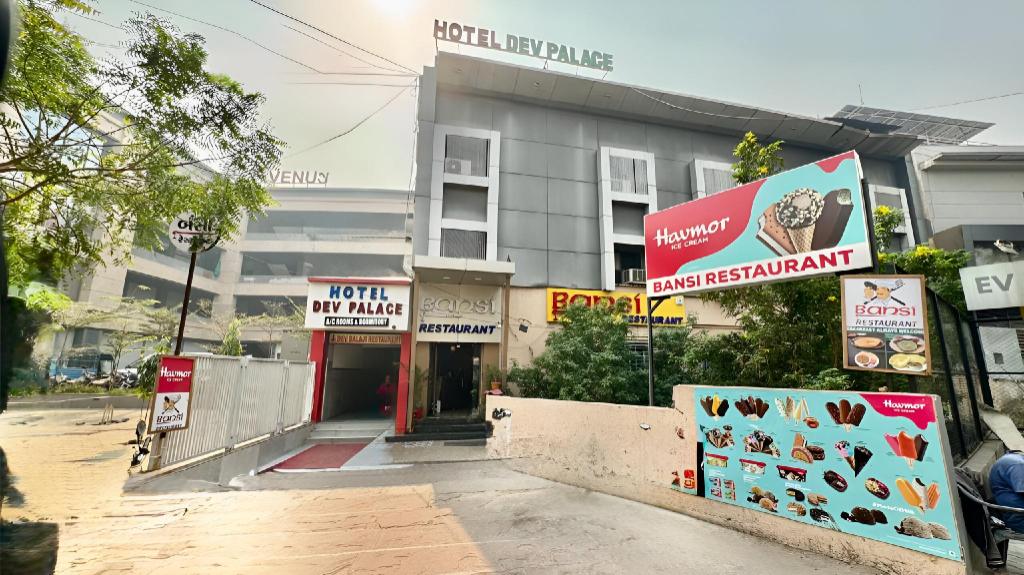
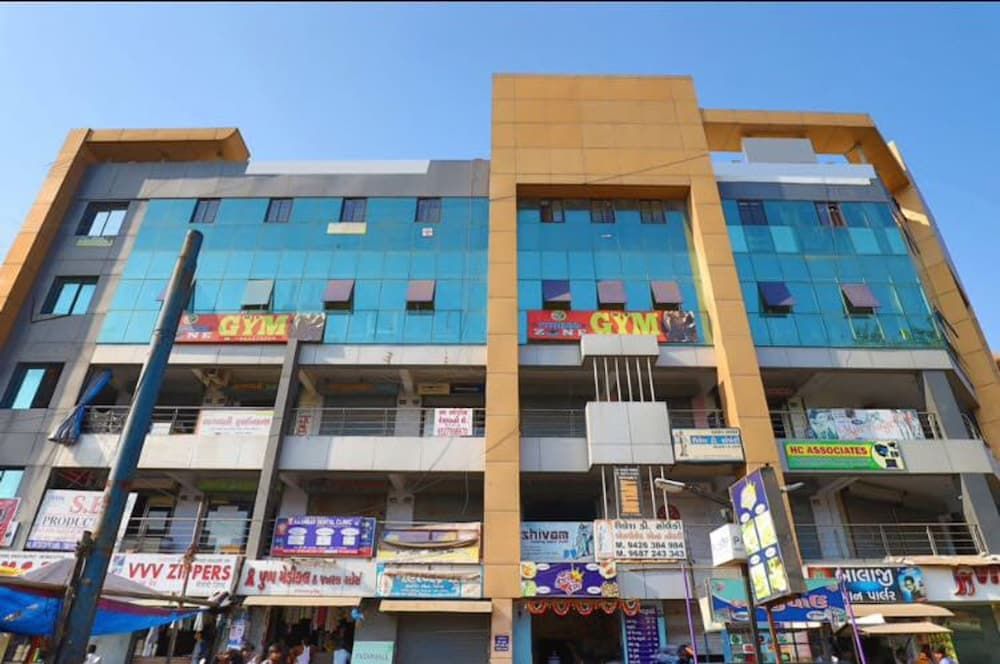
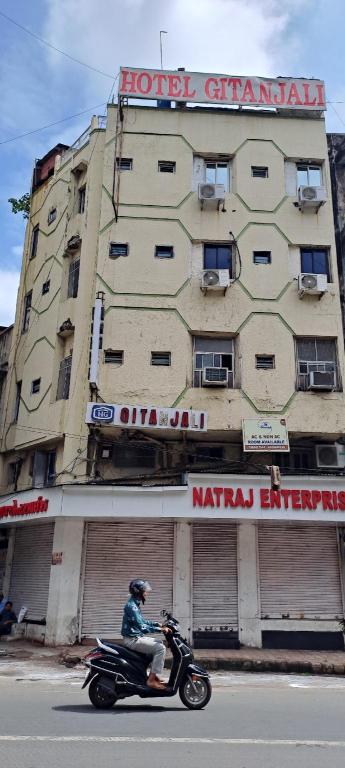
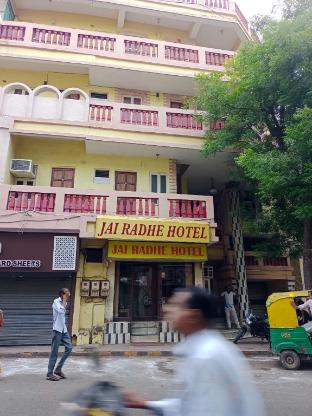
Kalupur is the neighbourhood around Ahmedabad Junction, the city's main railway station. Relief Road runs west from the station towards the old city centre. The area is a dense mix of narrow lanes, old buildings, and street markets. It is busy day and night with commuters, shoppers, and travellers. The atmosphere is functional and unpolished. You will find many budget hotels, guesthouses, and lodges near the station. Relief Road itself is a commercial street lined with textile and electronics shops. The area lacks green spaces but is close to several historic sites.
The streets are often crowded with auto-rickshaws, cycles, and pedestrians. Noise is constant, especially near the station and main roads. Many buildings are old and show wear. The area is not designed for leisure travellers seeking calm. It suits those who value convenience over comfort. You can walk to many old-city attractions. The Sabarmati Riverfront is a short auto ride away. At night, the station area stays lit and active, but side lanes can feel less secure.
- Busy, noisy, and practical: not a quiet retreat.
- Close to Ahmedabad Junction railway station.
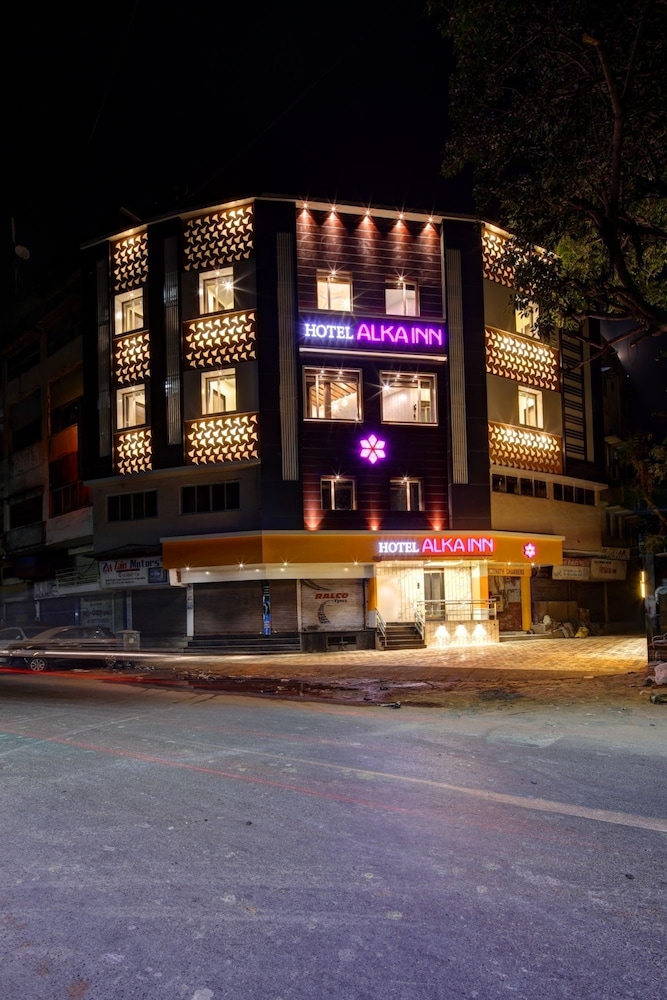
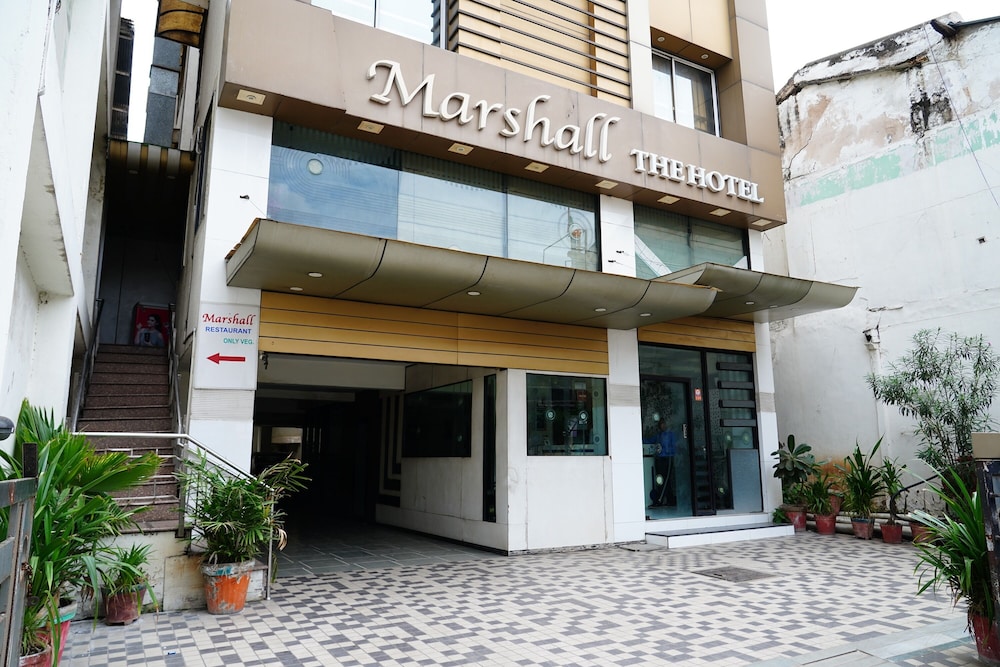
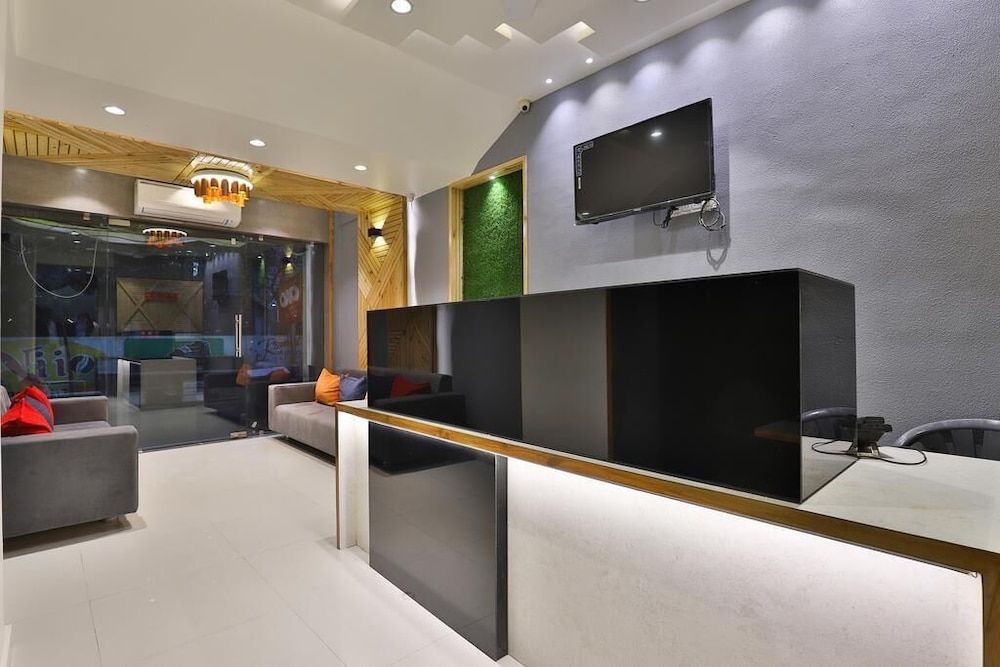
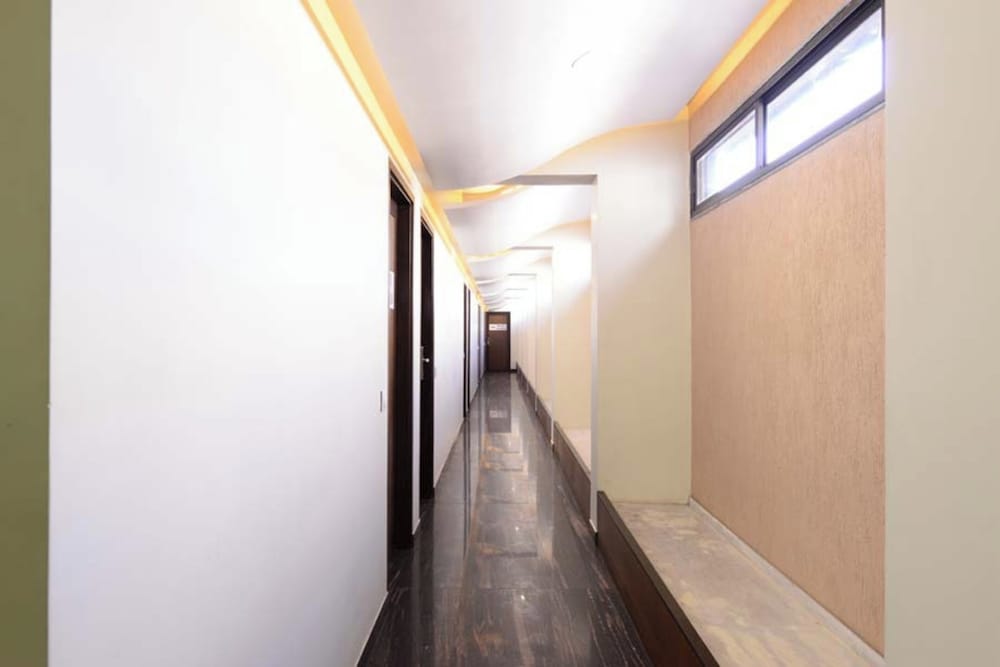
- Many budget hotels and lodges within walking distance.
- Street markets and food stalls operate late.
Who it suits
This area suits travellers who need to catch an early train or have a short stay in Ahmedabad. It is practical for solo backpackers, budget travellers, and those on a tight schedule. Business visitors who need quick access to the station also find it convenient. Families may find the noise and crowds tiring. The area is less suitable for couples or travellers seeking a romantic or quiet stay. It works well for those who plan to explore the walled city on foot and use the station for onward journeys.
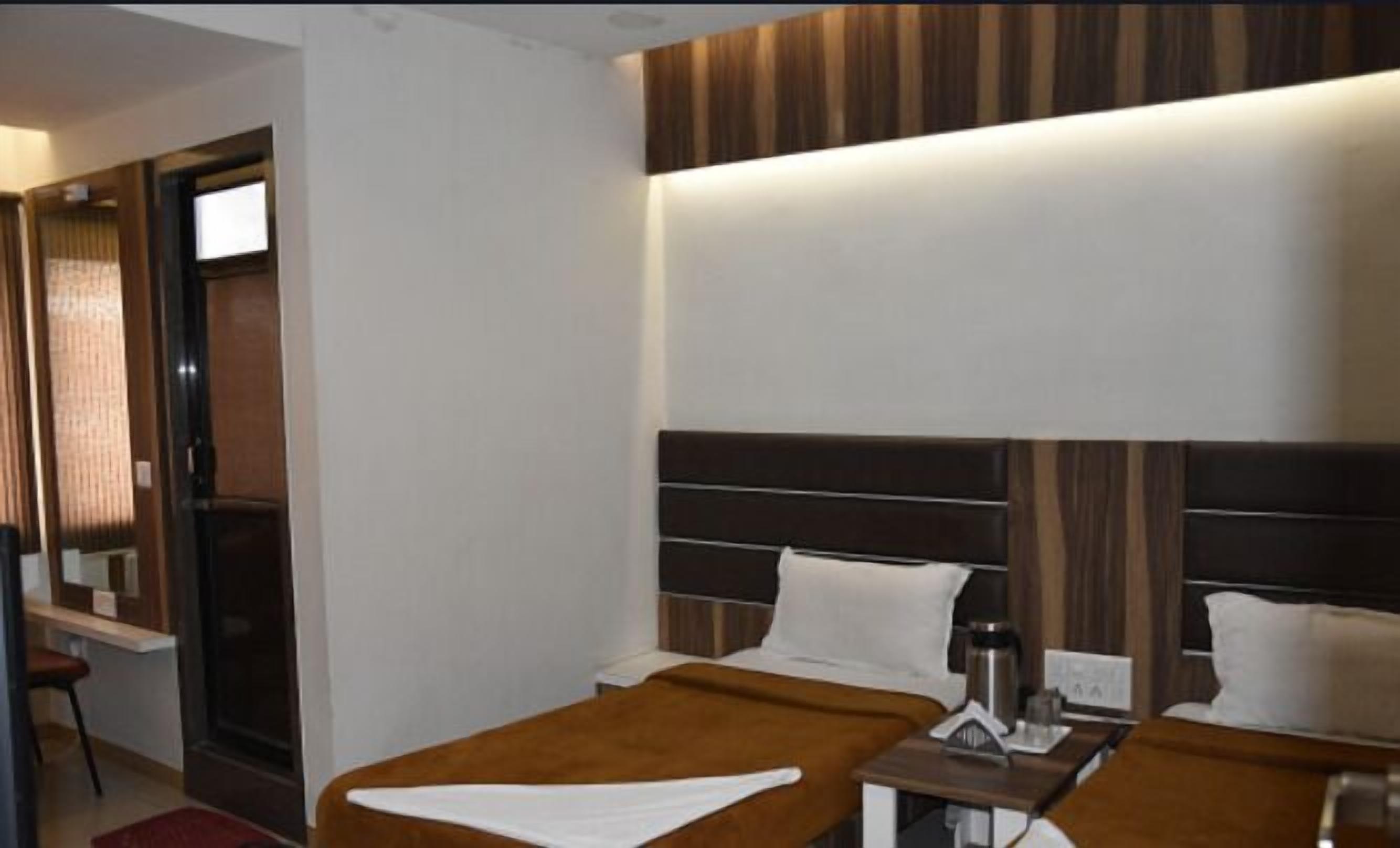
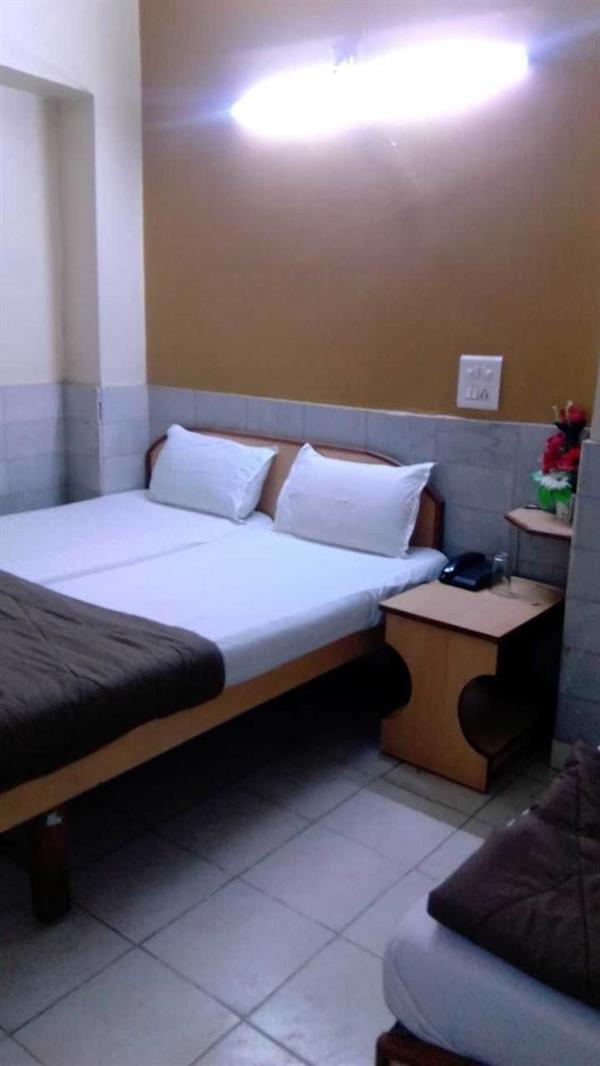
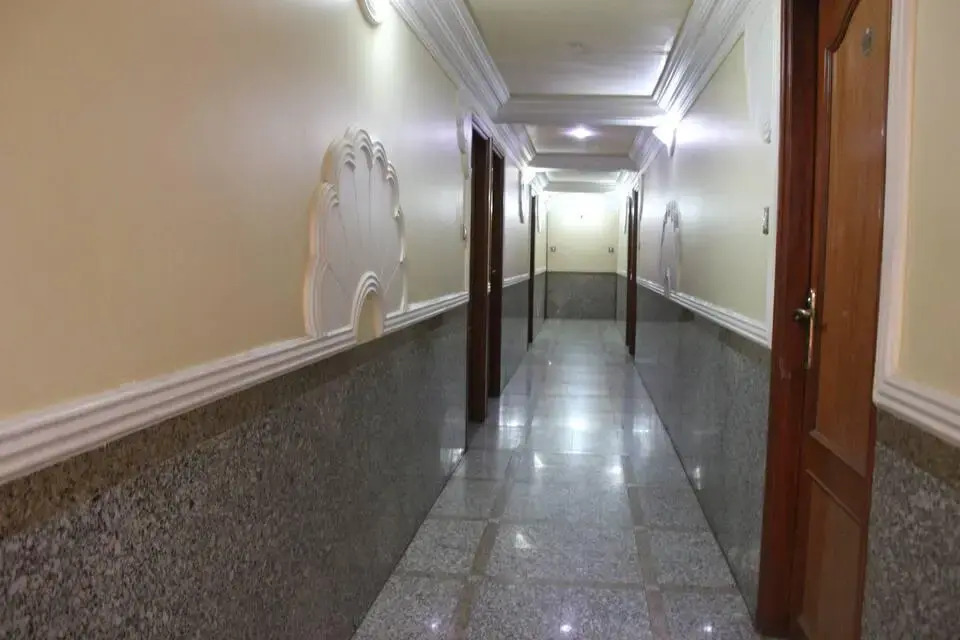
If you value peace, space, or modern amenities, look elsewhere. The hotels here are basic and often dated. The area does not have upscale dining or nightlife. It is a transit hub, not a destination. However, it gives you a raw view of daily life in Ahmedabad's old city. You will see traders, commuters, and street vendors in action. The experience is authentic but not luxurious.
- Best for solo travellers and budget tourists.
- Suitable for those with early or late train connections.
- Less ideal for families with young children.
Getting around
From Kalupur, you can walk to many walled-city sights. The nearest metro station is at Kalupur itself, on the Blue Line. Check the current network for connections to other parts of the city. Auto-rickshaws are plentiful near the station and on Relief Road. Agree on the fare before starting the ride. BRTS buses stop at nearby stations; the nearest is at Lal Darwaza, about 2 km west. City buses also run along Relief Road. For the airport, take an auto or app cab; the journey takes about 20 to 30 minutes depending on traffic.
The area is walkable for short distances, but pavements are uneven and crowded. Cross streets with care. The Sabarmati Riverfront is about 2 km west and can be reached on foot or by auto. For day trips to Modhera, Patan, or Lothal, you will need to go to the bus stand or hire a private vehicle. The station has prepaid auto and taxi booths. Always check the current fare before paying.
What is nearby
Kalupur and Relief Road are within walking distance of several historic sites. The old-city heritage walk starts about 1 km away. The night market near the old city centre is 1.3 km west. Jama Masjid, built in 1424, is 1.4 km away. Dada Harir stepwell, a five-storey structure from 1499, is 1.6 km south. Bhadra Fort and Teen Darwaza are 2 km west. The Sidi Saiyyed Mosque, famous for its stone jali windows, is 2.1 km away. Sabarmati Ashram is 4.3 km north-west; an auto ride takes about 15 minutes.
Kankaria Lake, a 15th-century artificial lake with gardens and a zoo, is about 4 km south-east. The Calico Museum of Textiles in Shahibaug is about 3 km north; guided tours must be booked ahead. The Sabarmati Riverfront promenade is 2 km west. Atal Bridge, a footbridge, connects the two banks. For modern architecture, the Mill Owners' Association building by Le Corbusier is about 3 km west. The area itself has few attractions but serves as a base for exploring the walled city.
Eating
Kalupur and Relief Road offer many street-food stalls and small eateries. You will find Gujarati snacks like dhokla, khaman, fafda, and jalebi. Thepla and khandvi are also common. The night market near the old city centre, about 1.3 km away, opens after 9 pm and serves a variety of dishes, including pav bhaji, dosa, and sweet treats. The area has many vegetarian restaurants serving thalis. Most places are simple and affordable. Avoid drinking tap water; use bottled water instead.
Breakfast options include khaman and dhokla from street vendors. For lunch, look for a thali restaurant on Relief Road. Dinner can be at the night market or at a local eatery near the station. The area has few cafes or international cuisine options. Most food is vegetarian, as Gujarat is largely vegetarian. Non-vegetarian food is rare in this part of the city. Carry cash, as many small stalls do not accept cards. The food is fresh and cooked in front of you.
Safety and practical tips
Kalupur and Relief Road are generally safe, but take standard precautions. Keep your valuables secure and avoid displaying cash or phones openly. The area is crowded, which can attract pickpockets. Stick to well-lit main streets at night. Side lanes can be dark and quiet. Use registered auto-rickshaws or app cabs for late-night travel. The station area has a police presence. If you need help, ask at the station information desk or a nearby hotel.
Gujarat is a dry state; alcohol is not sold freely. Visitors may obtain a temporary permit through licensed outlets; check the current rules before travel. The best time to visit is November to February, when the weather is pleasant. March to June is very hot, often above 40 °C. Monsoon runs from July to September. Carry a reusable water bottle and stay hydrated. Most hotels in this area are budget-friendly; check the room before paying. Book in advance during festivals like Uttarayan (January) and Navratri (September-October).